




Pero no es sólo una necesidad técnica, es un componente vital en la protección y optimización de los equipos, y es imprescindible para evitar tiempos de inactividad, que podrían ser bastante costosos.
Independientemente de la aplicación, ya sea en procesos industriales, calefacción, ventilación y aire acondicionado, o incluso en dispositivos electrónicos, una tensión alterna fluctuante puede provocar una serie de problemas.
En esta guía, exploraremos el proceso de regulación de la tensión de CA, la mejor tecnología a utilizar y mucho más.
¿Qué es la regulación de tensión alterna?
Regular la tensión de CA significa mantener estable la tensión de salida incluso cuando:
- La tensión de entrada fluctúa
- Cambian las condiciones de carga
- La calidad de la red es inestable
En los sistemas eléctricos del mundo real, los problemas más comunes son:
- Subtensión (caídas de tensión)
- Sobretensión (picos/subidas)
- Distorsión armónica (suele pasarse por alto, pero es fundamental)
Sin una regulación adecuada, equipos como máquinas CNC, compresores y dispositivos médicos pueden sufrir una reducción de su vida útil o un fallo repentino.
Principales métodos para regular la tensión alterna
1. Regulador automático de tensión (AVR) - Solución más común
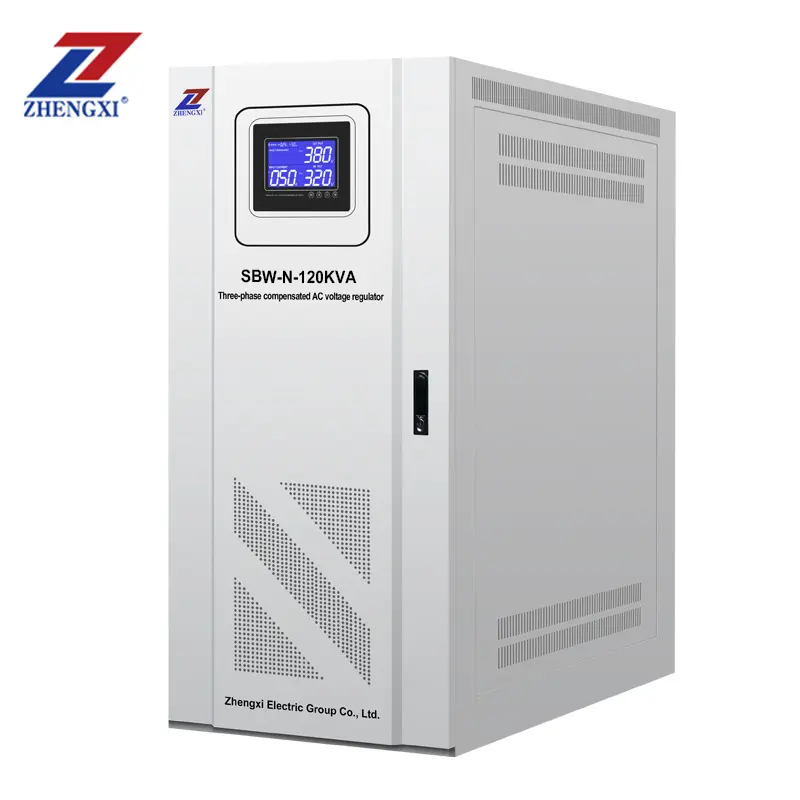
En Regulador automático de tensión (AVR) es la solución ideal para la mayoría de las aplicaciones.
Cómo funciona:
- Supervisa continuamente la tensión de entrada
- Ajusta automáticamente la salida mediante circuitos de control
- Mantiene una producción estable sin intervención manual
Tipos de AVR:
- Relé Tipo AVR
- Conmutación rápida y rentable
- Ideal para uso residencial y comercial ligero
- Servomotor AVR
- Alta precisión (±1-3%)
- Ideal para equipos industriales y cargas de motor
- AVR estático (IGBT/SCR)
- Respuesta ultrarrápida (milisegundos)
- Sin piezas mecánicas → mayor vida útil
- Lo mejor para sistemas críticos y de precisión
2. Variac (Autotransformador variable) - Control manual
A Variac permite una salida de tensión suave y ajustable.
Características principales:
- Mando manual
- Ajuste continuo de la tensión (sin escalones)
Lo mejor para:
- Pruebas de laboratorio
- Calibración del equipo
Limitaciones:
- No automático
- No apto para entornos de potencia inestable
3. Transformadores de tomas - Regulación a nivel de red
Se utiliza principalmente en sistemas de distribución de energía.
Tipos:
- Cambiador de tomas sin carga (ajuste manual, sin conexión)
- Cambiador de tomas bajo carga (OLTC) (ajuste en tiempo real)
Cómo funciona:
- Ajusta la relación del devanado del transformador para regular la tensión
Aplicaciones típicas:
- Subestaciones
- Sistemas eléctricos a escala comercial
4. Transformadores Buck-Boost - Corrección rentable de la tensión
Diseñado para pequeños ajustes de tensión (±10-20%).
Funciones:
- Buck → reducir tensión
- Boost → aumentar la tensión
Casos de uso habituales:
- Sistemas de calefacción, ventilación y aire acondicionado
- Equipos industriales ligeros
5. Estabilizadores estáticos de tensión - Solución de gama alta
Estabilizadores modernos que utilizan Tecnología IGBT o SCR oferta:
- Respuesta en milisegundos
- Alta precisión (hasta ±1%)
- Sin componentes de desgaste
Se utilizan cada vez más en:
- Centros de datos
- Sistemas médicos
- Líneas de automatización
Dónde se utiliza la regulación de tensión alterna
La tensión estable es fundamental en:
- Fabricación: Máquinas CNC, motores, robótica
- Sanidad: Resonancia magnética, escáneres de TC, equipos de laboratorio
- Centros de datos: Servidores y sistemas de red
- Energías renovables: Estabilización de la producción solar/eólica
- Edificios comerciales: Ascensores, sistemas HVAC
👉 SEO增强:覆盖行业关键词,提高长尾流量
Comparación de los métodos de regulación de la tensión de CA
| Método | Precisión | Velocidad de respuesta | Automatización | Lo mejor para |
|---|---|---|---|---|
| Relé AVR | Medio | Rápido | Sí | Electrodomésticos |
| Servo AVR | Alta | Medio | Sí | Equipamiento industrial |
| AVR estático | Muy alta | Ultrarrápido | Sí | Cargas críticas |
| Variac | Muy alta | Manual | No | Pruebas/laboratorios |
| Cambiador de grifos | Alta | Lento | Sí/No | Distribución de energía |
AVR frente a otros métodos de regulación de tensión
- AVR vs Variac: Control automático frente a control manual
- AVR vs Cambiador de tomas: Más rápido, más compacto, más fácil de instalar
- Servo vs AVR estático: Precisión mecánica frente a velocidad electrónica
👉 En los sistemas modernos, los estabilizadores estáticos de tensión se están convirtiendo en la opción preferida por su rapidez y fiabilidad.
Cómo elegir el regulador de tensión de CA adecuado
Elegir la solución adecuada depende de varios factores clave:
✔ Tipo de carga
- Cargas inductivas (motores, compresores) → requieren una regulación estable.
- Electrónica sensible → necesita alta precisión
✔ Capacidad de potencia
- Calcular la carga total (kVA/kW)
- Añadir margen de seguridad 20-30%
✔ Rango de tensión de entrada
- Fluctuaciones amplias → elegir servo o estabilizador estático.
✔ Exigencia de precisión
- ±1% → estabilizador estático
- ±3-5% → regulador estándar
✔ Tiempo de respuesta
- Sistemas críticos → requieren una respuesta en milisegundos
FAQ
Un regulador AVR de tipo relé o un pequeño servoestabilizador suelen ser suficientes para la mayoría de los electrodomésticos.
Sí, utilizando un Variac o un transformador, pero éstos son manuales y no resultan prácticos para un uso continuo.
Alta tensión → sobrecalentamiento, daños en el aislamiento
Baja tensión → avería del motor, eficiencia reducida
Conclusión
La regulación de la tensión de CA es una parte fundamental de cualquier sistema de alimentación fiable. Desde soluciones manuales sencillas como los Variacs hasta estabilizadores de tensión estáticos avanzados, la elección correcta depende de su aplicación, tipo de carga y requisitos de precisión.
Para la mayoría de entornos industriales y comerciales, un regulador de tensión automático de alta precisión o un estabilizador estático ofrecen el mejor equilibrio entre protección, eficiencia y fiabilidad a largo plazo.
Obtenga la solución adecuada para su aplicación
Buscando un Regulador de tensión de CA, servoestabilizador o estabilizador estático de tensión?
Nuestro equipo de ingenieros puede ayudarle:
- Seleccione el modelo adecuado en función de su carga
- Soluciones personalizadas para su sector
- Mejorar la vida útil de los equipos y reducir los tiempos de inactividad
👉 Póngase en contacto con nosotros hoy mismo para obtener un presupuesto rápido y asesoramiento experto adaptado a su proyecto.