
Best Voltage Stabilizer Manufacturer | Highly Competitively Priced Automatic Voltage Regulator

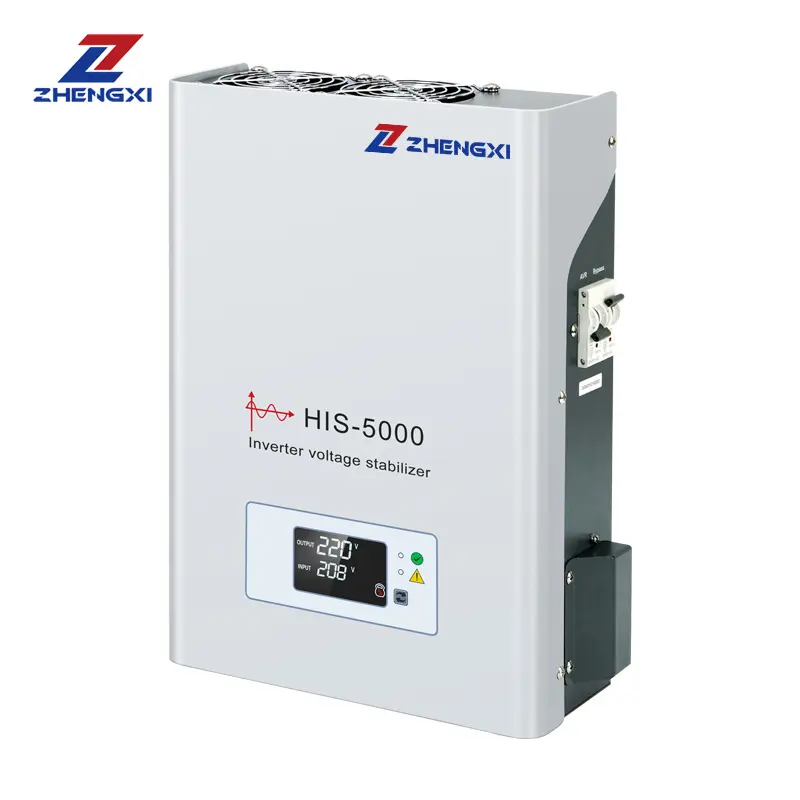
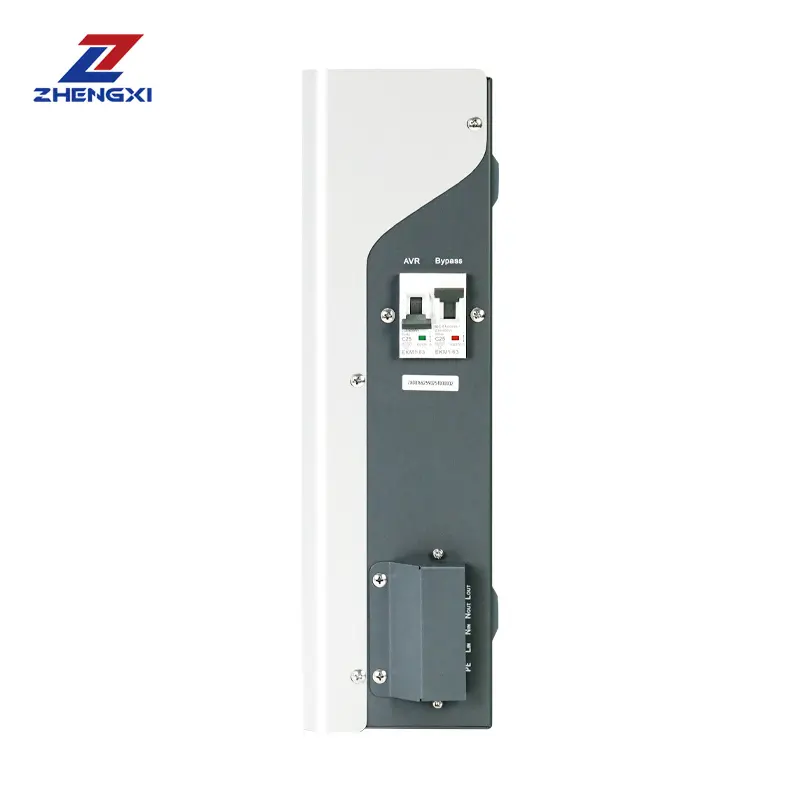
Estabilizador de voltaje de inversor de onda sinusoidal pura IGBT monofásico

Una tensión estable es esencial para garantizar el correcto funcionamiento de diversos dispositivos eléctricos y electrónicos. Este estabilizador regulador de tensión de inversor de onda sinusoidal pura IGBT monofásico está específicamente diseñado para proporcionar una regulación de tensión de mayor precisión, respuesta rápida y baja distorsión armónica, especialmente en situaciones en las que los estabilizadores de tensión servo o relé convencionales no funcionan adecuadamente. Con la adopción de la tecnología de regulación del inversor basada en IGBT, este estabilizador monofásico garantiza una salida de CA limpia y estable incluso en condiciones adversas asociadas a intensas fluctuaciones de la red, lo que lo convierte en un estabilizador ideal para cargas sensibles.

Estabilizador de tensión servo automático trifásico SBW Industrial Outdoor 100KVA para equipos mecánicos

En los sistemas eléctricos industriales modernos, la estabilidad de la tensión es un requisito fundamental y no una característica opcional. Una tensión trifásica inestable puede provocar directamente paradas de los equipos, fallos en los sistemas de control, sobrecalentamiento de los motores y daños a largo plazo en la maquinaria mecánica. El Estabilizador de Tensión Servo Automático Trifásico SBW Industrial Outdoor 100KVA, fabricado por ZHENGXI, está específicamente diseñado para proporcionar una regulación de tensión precisa y fiable para equipos mecánicos pesados que operan en entornos de red inestables o fluctuantes. Con tecnología de control de servomotor y una robusta estructura para exteriores, este estabilizador trifásico garantiza un funcionamiento industrial continuo, seguro y eficiente.

ZBW 10Kva-4000Kva Estabilizador de Tensión Automático Trifásico IGBT Para Máquinas de Alta Precisión

ZBW 10Kva-4000Kva Estabilizador de tensión estático automático igbt trifásico para máquinas de alta precisión La estabilidad de la tensión en las instalaciones industriales modernas ha dejado de ser un lujo para convertirse en un requisito imperativo de precisión, eficacia y longevidad. El Estabilizador de Tensión Automático Estático IGBT Trifásico Serie ZBW, con capacidades desde 10kVA hasta 4000kVA, fabricado por ZHENGXI, está específicamente diseñado para una regulación de tensión precisa, exacta y sin distorsiones para máquinas de alta precisión cuando se enfrentan a condiciones de potencia inestables. El Estabilizador ZBW, que utiliza tecnología punta en Control Estático IGBT, proporcionará una tensión de salida estable incluso cuando se produzcan fluctuaciones significativas en la potencia de entrada, lo que lo convierte en un dispositivo muy fiable y eficiente, especialmente para industrias con tiempos de parada mínimos.
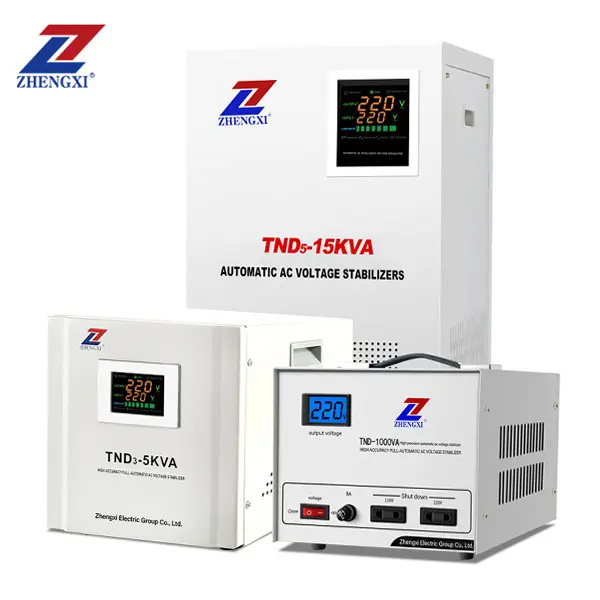
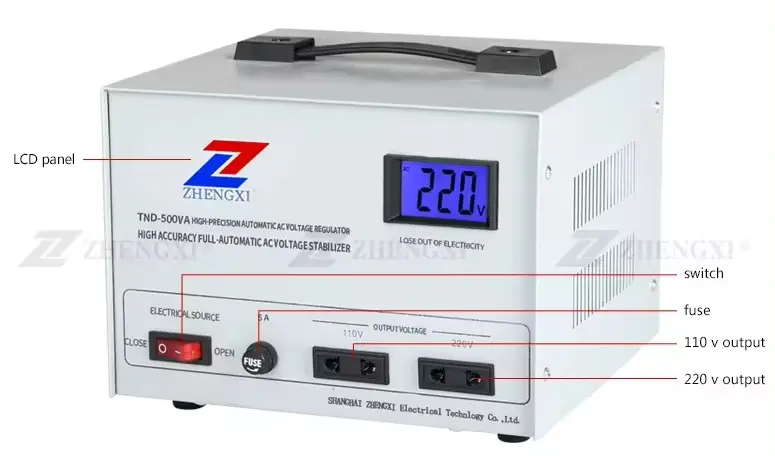
20KVA Estabilizador de tensión CA monofásico automático AVR para frigorífico

Si su casa o negocio sufre frecuentes caídas o picos de tensión, sus electrodomésticos -especialmente los frigoríficos- corren peligro. El sitio Estabilizador de tensión de CA monofásico totalmente automático de 20 KVA está diseñado para suministrar una tensión estable y limpia para proteger frigoríficos, congeladores, aparatos de aire acondicionado y otros componentes electrónicos sensibles. Construido con un sistema de control de servomotoresEste regulador ofrece una gran precisión, una rápida corrección y un rendimiento fiable, ideal para hogares, cocinas comerciales, supermercados y cámaras frigoríficas.

Voltage fluctuations are a common problem in both residential and industrial power supplies. While they do not necessarily affect performance, they can eventually damage expensive equipment.

A estabilizador de voltaje is used to take care of this problem because it ensures that the output voltage is constant despite any fluctuations in the input voltage. In this article, we will take you through how voltage stabilizers work, the various types of voltage stabilizers available, and how to choose one.

What is a Voltage Stabilizer?

A voltage stabilizer is an electrical device that automatically maintains a stable output voltage by correcting fluctuations in the incoming power supply.

What It Actually Does:

  • Protects equipment from overvoltage and undervoltage
  • Keeps machines running consistently
  • Extends the lifespan of electrical devices
  • Reduces failure risks caused by unstable power

Por qué es importante la estabilidad de la tensión

Unstable voltage doesn’t always cause instant failure — but it slowly damages components like compressors, motors, and control boards.

Typical consequences include reduced efficiency, unexpected shutdowns, overheating, and higher long-term repair costs.

Why Does Voltage Fluctuation Happen?

Voltage fluctuation is usually caused by instability in the power supply system rather than the equipment itself.

Common Causes:

  • Overloaded power grids
  • Poor wiring or aging infrastructure
  • Sudden load changes (especially in factories)
  • Weather conditions like storms or lightning
  • Weak or rural power supply networks

What is Considered “Normal” Voltage?

  • Standard single-phase voltage: 220V–240V
  • Acceptable variation: typically within ±10%

Beyond this range, electrical equipment may not operate safely or efficiently.

¿Cómo funciona un estabilizador de tensión?

A stabilizer continuously monitors incoming voltage and adjusts it in real time to maintain a consistent output.

Simple Working Logic:

  1. Detect – senses input voltage
  2. Correct – boosts low voltage or reduces high voltage
  3. Deliver – outputs stable voltage (e.g. 220V / 230V)

Core Components:

  • Transformer (buck/boost function)
  • Control circuit (relay / servo / electronic)
  • Protection system

👉 From an engineering perspective, the real difference between stabilizers lies in how precisely and how fast this correction happens — which directly affects equipment safety.

Types of Voltage Stabilizers

Different use cases require different stabilizer technologies.

1. Relay Type Stabilizer

  • Solución rentable
  • Suitable for home appliances
  • Step-by-step voltage correction (not very smooth)

2. Servo Controlled Stabilizer

  • High precision output
  • Smooth voltage adjustment
  • Ideal for industrial equipment and sensitive loads

3. Static Voltage Stabilizer

  • Fastest response speed
  • No mechanical parts
  • Used in critical environments (medical, data centers)

Voltage Stabilizer vs Regulator vs UPS vs Inverter

Dispositivo Función principal Uso típico
Estabilizador de tensión Stabilizes voltage Appliances, industrial machines
Regulador de tensión Circuit-level control Electronics, internal systems
UPS Backup + stabilization Computers, servers
Inversor Converts DC to AC Backup power systems

👉 A stabilizer does not provide backup power — it only ensures voltage stays within a safe range.

Do You Really Need a Voltage Stabilizer?

Not every location requires a stabilizer — but in many cases, it’s a smart investment.

You likely need one if:

  • Voltage frequently drops or spikes
  • You use high-value equipment
  • You’re in rural or unstable grid areas
  • You operate machines with motors or compressors

Aplicaciones comunes:

Air conditioners, refrigerators, washing machines, medical devices, CNC machines — all are sensitive to voltage fluctuations.

Voltage Stabilizer for Air Conditioners (AC Guide)

Air conditioners are one of the most voltage-sensitive appliances due to their compressor.

When is a Stabilizer Necessary?

  • Voltage regularly drops below 200V
  • Power supply is unstable or shared

Inverter vs Non-Inverter AC:

  • Inverter AC: has partial protection, but still benefits from stabilization
  • Non-inverter AC: strongly recommended to use a stabilizer

Recommended Capacity:

AC Size Stabilizer Range
1 Ton 3–4 kVA
1.5 Ton 4–5 kVA
2 Ton 5–6 kVA

👉 In real projects, we usually recommend leaving at least 50–60% capacity margin to avoid overload during startup.

Cómo elegir el estabilizador de tensión adecuado

Choosing the wrong stabilizer is a common issue — especially underestimating voltage range.

Key Selection Factors:

1. Load Capacity
Calculate total connected load and add a safety margin

Please refer to:Cómo elegir la capacidad correcta del estabilizador de tensión

2. Input Voltage Range

  • Severe fluctuation: 140V–260V
  • Mild fluctuation: 170V–250V

3. Application Type

  • Home → relay type
  • Industrial → servo or static

4. Phase Type

Installation & Connection Guide

Proper installation affects both performance and safety.

Basic Tips:

  • Install close to the load or main distribution point
  • Ensure proper grounding
  • Avoid heat, dust, and humidity

Connection Notes:

  • For AC units: stabilizer must be installed before the appliance
  • Use correct cable sizing
  • Never overload beyond rated capacity

How to Fix Voltage Fluctuation at Home

A stabilizer is the most direct solution, but not the only one.

Practical Solutions:

  • Install a voltage stabilizer
  • Use UPS for sensitive electronics
  • Upgrade internal wiring if needed
  • Reduce load during peak hours

Voltage Stabilizer Specifications Explained

Understanding specs helps avoid wrong purchases.

Key Terms:

  • Rango de tensión de entrada – acceptable incoming voltage
  • Tensión de salida – stabilized output level
  • Working Range – full operational limits
  • kVA Rating – maximum load capacity

Common Problems & Troubleshooting

Typical Issues:

  • No output
  • Low output voltage
  • Frequent cut-offs
  • Overheating

Possible Causes:

  • Sobrecarga
  • Internal component failure
  • Input voltage outside working range

FAQs About Voltage Stabilizers

Does a stabilizer consume electricity?
Yes, but consumption is minimal compared to the protection it provides.

Can it reduce high voltage?
Yes — it both reduces high voltage and boosts low voltage.

Will it increase electricity bills?
Not significantly.

Can voltage fluctuation damage appliances?
Yes, especially motors and compressors.

How long does it last?
Typically 5–10 years depending on design and usage conditions.

Conclusión

A voltage stabilizer is a practical solution for protecting electrical equipment from unstable power conditions. Whether for home or industrial use, choosing the right type and capacity can significantly reduce downtime and long-term costs.

Need Help Choosing the Right Stabilizer?

If you’re sourcing stabilizers for projects, distribution, or OEM:

  • Custom voltage range & capacity
  • Industrial-grade designs
  • Export-ready solutions

From an engineering standpoint, selecting the right stabilizer is not just about kVA — it’s about matching the actual load behavior and power conditions.

Feel free to contact us for practical recommendations based on your application.


Utilizamos cookies para mejorar su experiencia en nuestro sitio web. Al navegar por este sitio web, aceptas el uso que hacemos de las cookies.
Tienda
Mi cuenta