




اما این تنها یک ضرورت فنی نیست، بلکه جزء حیاتی در حفاظت و بهینهسازی تجهیزات است و اجتناب از توقف کار که میتواند بسیار پرهزینه باشد، امری ضروری است.
صرفنظر از کاربرد، چه در فرآیندهای صنعتی، تهویه مطبوع یا حتی دستگاههای الکترونیکی، نوسان ولتاژ AC میتواند منجر به مشکلات متعددی شود.
در این راهنما، فرایند تنظیم ولتاژ AC، بهترین فناوری قابل استفاده و موارد دیگر را بررسی خواهیم کرد.
تنظیم ولتاژ AC چیست؟
تنظیم ولتاژ AC به معنای پایدار نگه داشتن ولتاژ خروجی حتی زمانی است که:
- ولتاژ ورودی نوسان دارد
- شرایط بار تغییر میکند
- کیفیت شبکه ناپایدار است.
در سیستمهای قدرت واقعی، مشکلات رایج عبارتند از:
- کاهش ولتاژ (افت ولتاژ)
- فراولtage (نوسانات/افزایشهای ناگهانی)
- تحریف هارمونیک (اغلب نادیده گرفته میشود اما حیاتی است)
بدون مقررات مناسب، تجهیزاتی مانند دستگاههای CNC، کمپرسورها و دستگاههای پزشکی ممکن است دچار کاهش عمر مفید یا خرابی ناگهانی شوند.
روشهای اصلی تنظیم ولتاژ AC
۱. تنظیمکننده خودکار ولتاژ (AVR) – رایجترین راهحل
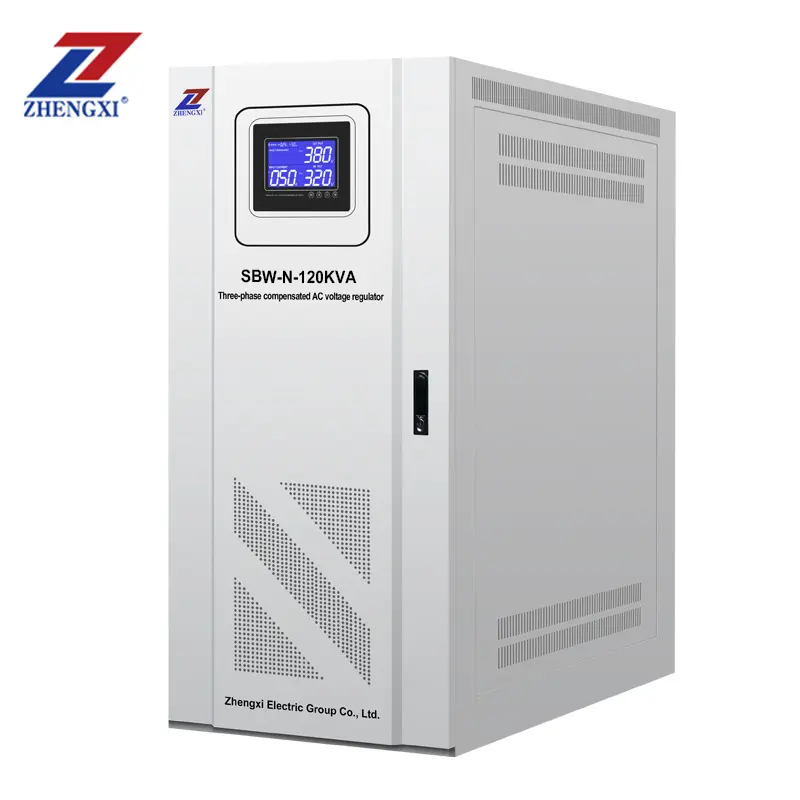
یک رگولاتور ولتاژ خودکار (AVR) راه حل اصلی برای اکثر کاربردها است.
نحوه کار:
- ولتاژ ورودی را بهطور مداوم نظارت میکند.
- خروجی را بهطور خودکار از طریق مدارهای کنترلی تنظیم میکند
- بدون دخالت دستی، خروجی پایدار را حفظ میکند.
انواع AVR:
- نوع رله AVR
- سوئیچینگ سریع، مقرونبهصرفه
- مناسبترین برای مصارف مسکونی و تجاری سبک
- موتور سروو AVR
- دقت بالا (±1–3%)
- مناسب برای تجهیزات صنعتی و بارهای موتوری
- AVR ایستا (بر پایه IGBT/SCR)
- پاسخ فوقالعاده سریع (میلیثانیه)
- بدون قطعات مکانیکی → عمر طولانیتر
- بهترین برای سیستمهای دقیق و حیاتی
۲. واریاک (ترانسفورماتور خودگردان متغیر) – کنترل دستی
A واریاک خروجی ولتاژ نرم و قابل تنظیم را امکانپذیر میسازد.
ویژگیهای کلیدی:
- کنترل پیچ دستی
- تنظیم مداوم ولتاژ (بدون پلهها)
مناسبترین برای:
- آزمایشگاه
- کالیبراسیون تجهیزات
محدودیتها:
- خودکار نیست
- مناسب برای محیطهای قدرت ناپایدار نیست
۳. ترانسفورماتورهای تغییر-لمسی – تنظیم در سطح شبکه
عمدتاً در سیستمهای توزیع نیرو استفاده میشود.
انواع:
- تبدیلگر تپ آفلود (دستی، تنظیم آفلاین)
- تغییردهندهٔ ترانسفورماتور در حین بار (OLTC) (تنظیم در زمان واقعی)
نحوه کار:
- نسبت سیمپیچی ترانسفورماتور را برای تنظیم ولتاژ تنظیم میکند.
کاربردهای معمول:
- تأسیسات فرعی
- سامانههای قدرت در مقیاس نیروگاهی
۴. ترانسفورماتورهای بک-بوست – اصلاح ولتاژ مقرونبهصرفه
طراحیشده برای تنظیمات جزئی ولتاژ (±10–20%).
کارکردها:
- Buck → کاهش ولتاژ
- افزایش → افزایش ولتاژ
موارد استفادهٔ رایج:
- سیستمهای تهویه مطبوع
- تجهیزات صنعتی سبک
۵. تثبیتکنندههای ولتاژ ثابت – راهحل ردهبالا
پایدارکنندههای مدرن با استفاده از فناوری IGBT یا SCR پیشنهاد:
- پاسخ در سطح میلیثانیه
- دقت بالا (تا ±1%)
- بدون قطعات سایشی
اینها به طور فزایندهای در: استفاده میشوند
- مراکز داده
- سیستمهای پزشکی
- خطوط اتوماسیون
موارد استفاده از تنظیم ولتاژ AC
ولتاژ پایدار در موارد زیر حیاتی است:
- تولید: ماشینهای CNC، موتورها، رباتیک
- مراقبتهای بهداشتی: اسکنرهای امآرآی، سیتی، تجهیزات آزمایشگاهی
- مراکز داده: سرورها و سیستمهای شبکه
- انرژی تجدیدپذیر: پایدارسازی خروجی خورشیدی/بادی
- ساختمانهای تجاری: بالابرها، سیستمهای تهویه مطبوع
👉 بهینهسازی SEO: پوشش کلمات کلیدی صنعتی، افزایش ترافیک دمدراز
مقایسه روشهای تنظیم ولتاژ AC
| روش | دقت | سرعت پاسخ | خودکارسازی | بهترین برای |
|---|---|---|---|---|
| ریلِی AVR | متوسط | سریع | بله | لوازم خانگی |
| سروو AVR | بالا | متوسط | بله | تجهیزات صنعتی |
| AVR ایستا | بسیار بالا | فوقالعاده سریع | بله | بارهای بحرانی |
| واریاک | بسیار بالا | دفترچه راهنما | خیر | آزمایش/آزمایشگاهها |
| تبدیلکنندهٔ تپ | بالا | آهسته | بله/خیر | توزیع برق |
AVR در مقابل سایر روشهای تنظیم ولتاژ
- AVR در مقابل Variac: کنترل خودکار در مقابل کنترل دستی
- AVR در مقابل تپچنجر: سریعتر، جمعوجورتر، نصب آسانتر
- سرو در مقابل AVR ایستا: دقت مکانیکی در برابر سرعت الکترونیکی
👉 در سیستمهای مدرن،, ثابتسازهای ولتاژ در حال تبدیل شدن به انتخابی ترجیحی هستند. به دلیل سرعت و قابلیت اطمینان.
چگونه رگولاتور ولتاژ مناسب برای کولر گازی را انتخاب کنیم
انتخاب راهحل مناسب به چندین عامل کلیدی بستگی دارد:
✔ نوع بار
- بارهای القایی (موتورها، کمپرسورها) → به تنظیم پایدار نیاز دارند
- الکترونیک حساس → نیازمند دقت بالا
✔ ظرفیت توان
- محاسبهٔ بار کل (kVA/kW)
- حاشیه ایمنی ۲۰–۳۰۱TP4T را اضافه کنید
✔ محدوده ولتاژ ورودی
- تغییرات گسترده ← تثبیتکننده سروو یا ایستا را انتخاب کنید
✔ نیازمندی دقت
- ±1% → تثبیتکنندهٔ ایستا
- ±3–5% → AVR استاندارد
✔ زمان پاسخگویی
- سیستمهای حیاتی → نیازمند پاسخ میلیثانیهای هستند
پرسشهای متداول
یک AVR از نوع رله یا تثبیتکننده سرووی کوچک معمولاً برای اکثر لوازم خانگی کافی است.
بله، با استفاده از واریاک یا ترانسفورماتور—اما اینها دستی هستند و برای استفاده مداوم عملی نیستند.
ولتاژ بالا → داغ شدن بیش از حد، آسیب به عایق
ولتاژ پایین ← خرابی موتور، کاهش بازده
نتیجهگیری
تنظیم ولتاژ AC بخش کلیدی هر سیستم برق قابلاعتماد است. از راهحلهای دستی ساده مانند واریاکها تا تثبیتکنندههای ولتاژ ایستا پیشرفته، انتخاب مناسب به کاربرد شما، نوع بار و نیازمندیهای دقت بستگی دارد.
برای اکثر محیطهای صنعتی و تجاری،, یک تنظیمکننده خودکار ولتاژ با دقت بالا یا تثبیتکننده استاتیک، بهترین تعادل را بین محافظت، کارایی و قابلیت اطمینان بلندمدت فراهم میکند.
راه حل مناسب برای نرمافزار خود را دریافت کنید
به دنبال یک قابل اعتماد رگولاتور ولتاژ AC، تثبیتکننده سروو، یا تثبیتکننده ولتاژ استاتیک?
تیم مهندسی ما میتواند به شما کمک کند:
- مدل مناسب را بر اساس بار خود انتخاب کنید
- راهکارها را برای صنعت خود سفارشی کنید
- طول عمر تجهیزات را بهبود بخشید و زمان از کار افتادگی را کاهش دهید
👉 امروز با ما تماس بگیرید تا برآوردی سریع و راهنمایی تخصصی متناسب با پروژه شما دریافت کنید.