




Con l'aumento della domanda di fonti energetiche pulite e sostenibili a livello globale, i sistemi di energia solare stanno diventando una soluzione chiave per la generazione di energia elettrica a livello residenziale, commerciale e industriale. Il componente chiave di ogni sistema fotovoltaico (PV) è l'inverter solare, un componente che converte la corrente elettrica continua proveniente dal pannello solare in corrente alternata.
In ogni progetto di energia solare, l'inverter solare è un componente chiave che ha un impatto significativo sulle prestazioni e sull'affidabilità del progetto di energia solare; pertanto, è importante selezionare un produttore di inverter solari affidabile per il progetto.
Nella scelta di un produttore di inverter solari, gli installatori, le società di EPC e gli sviluppatori di progetti solari dovrebbero considerare i seguenti fattori e questa guida fornirà una panoramica dettagliata su come selezionare un produttore di inverter solari per un progetto solare.
Riepilogo rapido: Fattori chiave nella scelta di un produttore di inverter solari
Quando si valuta un produttore di inverter solari, considerare i seguenti fattori critici:
- Competenza tecnica e capacità di R&S
- Efficienza dell'inverter e prestazioni MPPT
- Certificazioni di sicurezza internazionali
- Standard di qualità e test di produzione
- Monitoraggio intelligente e integrazione software
- Condizioni di garanzia e assistenza post-vendita
- Esperienza nel settore e referenze di progetto
Un produttore che si comporta bene in queste aree ha molte più probabilità di fornire soluzioni di inverter affidabili per impianti solari residenziali, commerciali e su larga scala.
Cosa fa un produttore di inverter solari?
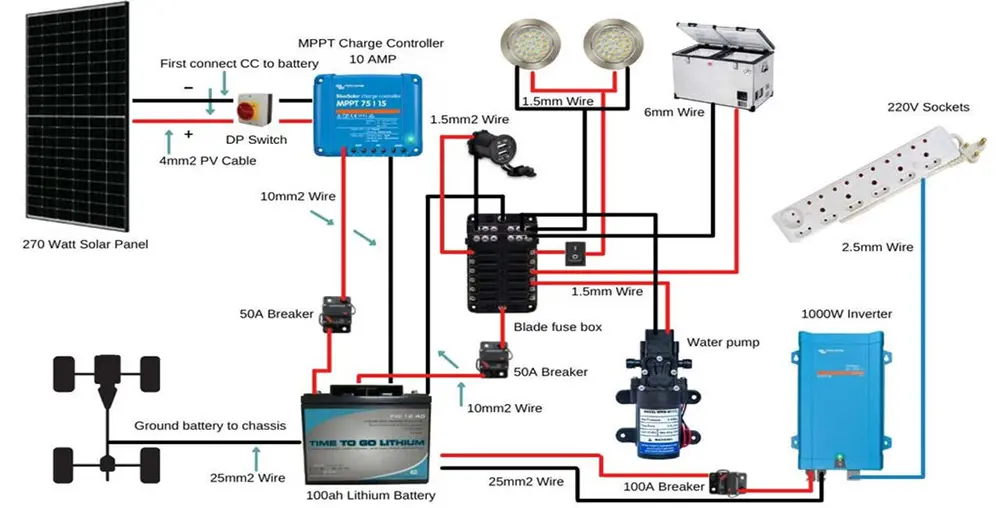
A produttore di inverter solari progetta, sviluppa e produce elettronica di potenza che converte l'elettricità CC generata dai pannelli solari in corrente alternata adatta a case, aziende e reti elettriche.
I moderni inverter solari svolgono diverse funzioni avanzate oltre alla conversione di base dell'energia:
- Inseguimento del punto di massima potenza (MPPT) per massimizzare la raccolta di energia solare
- Sincronizzazione della rete per un'esportazione di potenza stabile
- Sistemi di monitoraggio intelligenti per il monitoraggio delle prestazioni
- Integrazione della batteria per i sistemi di accumulo di energia
- Protezione della rete e controlli di sicurezza
Secondo le ricerche di organizzazioni come l'Agenzia Internazionale dell'Energia (AIE) e l'IEEE, la tecnologia degli inverter svolge un ruolo fondamentale nel migliorare l'efficienza degli impianti solari e nel garantire un funzionamento stabile della rete.
Oggi i produttori di inverter solari producono in genere diversi tipi di tecnologie di inverter:
Inverter di stringa
È il tipo di inverter più comunemente utilizzato per le installazioni solari residenziali e commerciali. Collegano più pannelli solari in serie e forniscono una conversione di potenza conveniente.
Inverter centrali
Inverter di grandi dimensioni utilizzati in parchi solari su scala industriale, in grado di gestire potenze elevate.
Microinverter
Piccoli inverter collegati ai singoli pannelli solari. Forniscono un'ottimizzazione dell'energia per le installazioni con ombreggiature o layout complessi dei tetti.
Inverter ibridi
Inverter avanzati che combinano la generazione solare con integrazione delle batterie di accumulo, che consente l'accumulo di energia e l'alimentazione di riserva.
Perché è importante scegliere il giusto produttore di inverter solari
Selezione di un prodotto affidabile produttore di inverter solari può avere un impatto significativo sulle prestazioni complessive e sulla redditività di un progetto di energia solare.
I principali vantaggi di lavorare con un produttore di alta qualità includono:
Maggiore efficienza del sistema
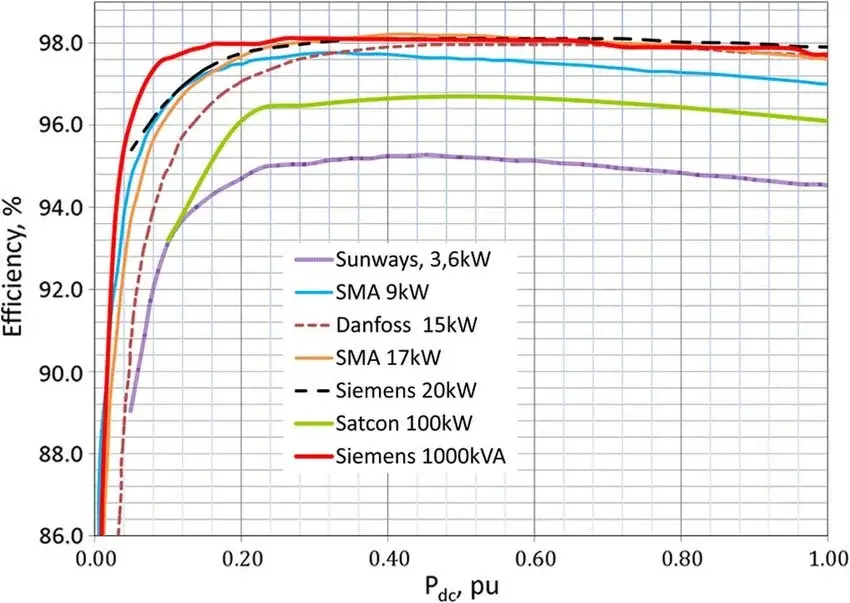
I progetti di inverter avanzati possono raggiungere efficienze di conversione superiori a 98%, assicurando la massima produzione di energia elettrica dai pannelli solari.
Durata di vita dell'apparecchiatura più lunga
Gli inverter solari di alta qualità durano generalmente 10-15 anni o più, Alcuni modelli premium offrono garanzie estese fino a 20 anni.
Riduzione dei costi di manutenzione
L'affidabilità dell'hardware dell'inverter e la progettazione termica avanzata riducono il rischio di guasti al sistema e di costosi interventi di manutenzione.
Migliore compatibilità con la griglia
I produttori leader progettano inverter che soddisfano gli standard di rete globali e si integrano senza problemi con i sistemi di smart grid.
Forte supporto tecnico
I produttori professionali forniscono documentazione, aggiornamenti del firmware e supporto ingegneristico per installazioni complesse.
Fattori chiave nella valutazione di un produttore di inverter solari
1. Competenza tecnica e capacità di R&S
L'innovazione nell'elettronica di potenza è essenziale per la moderna tecnologia degli inverter solari.
Un affidabile produttore di inverter solari devono dimostrare forti capacità di ricerca e sviluppo, tra cui:
- Team di ingegneri dedicati
- Algoritmi di controllo dell'inverter proprietari
- Avanzato Tecnologia MPPT
- Stabilità della rete e controllo della potenza reattiva
- Aggiornamenti continui dell'product
Aziende globali come Huawei, Sungrow e SMA Solar Technology investono molto nella ricerca e sviluppo degli inverter per migliorare l'efficienza, le capacità di monitoraggio e le prestazioni di integrazione nella rete.
I produttori con una forte competenza ingegneristica hanno maggiori probabilità di consegnare Sistemi di inverter affidabili e ad alte prestazioni.
2. Efficienza e prestazioni dell'inverter solare
L'efficienza dell'inverter determina direttamente la quantità di energia solare fornita all'impianto elettrico.
Importanti indicatori di performance sono:
| Parametro | Gamma di alta qualità |
|---|---|
| Efficienza di conversione | 96% - 99% |
| Efficienza MPPT | ≥ 99% |
| Intervallo di tensione in ingresso | Ampia compatibilità con il fotovoltaico |
| Funzioni di protezione | Sovratensione, cortocircuito, surriscaldamento |
Gli inverter ad alta efficienza possono aumentare significativamente l'energia annua, in particolare nelle regioni con condizioni di luce solare variabile.
3. Certificazioni e conformità internazionale
Gli inverter solari devono soddisfare severi standard di sicurezza e di conformità alla rete.
Affidabile produttori di inverter solari garantire che i loro product siano testati e certificati secondo le normative internazionali.
Le certificazioni più comuni includono:
- Certificazione CE per i mercati europei
- Certificazione UL per gli standard di sicurezza nordamericani
- IEC 62109 standard di sicurezza degli inverter
- IEC 61727 requisiti di connessione alla rete
- ISO 9001 sistemi di gestione della qualità
La certificazione garantisce che gli inverter soddisfino sicurezza elettrica, compatibilità elettromagnetica e requisiti per l'integrazione in rete.
4. Qualità e affidabilità della produzione
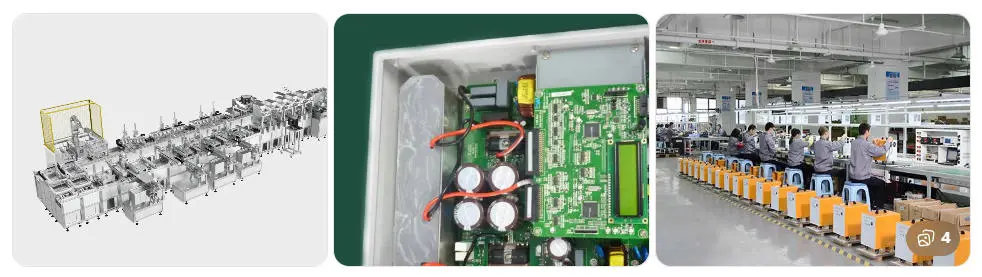
Gli inverter solari operano continuamente in condizioni ambientali difficili, come calore, umidità e polvere. Pertanto, la qualità della produzione è essenziale.
Le fabbriche di inverter di alta qualità includono in genere:
- Linee automatizzate di production
- Rigoroso approvvigionamento di componenti
- Progettazione della gestione termica
- Test di stress ambientale
- Test di burn-in e affidabilità
Questi processi contribuiscono a garantire la stabilità a lungo termine e a ridurre al minimo i tassi di guasto.
4
5. Monitoraggio intelligente e integrazione software
I moderni sistemi di energia solare si basano molto sul monitoraggio digitale e sulla gestione dell'energia.
Avanzato produttori di inverter solari fornire:
- Piattaforme di monitoraggio basate su cloud
- Applicazioni mobili per il monitoraggio delle prestazioni in tempo reale
- Diagnostica remota e aggiornamenti del firmware
- Integrazione con sistemi di accumulo a batteria
- Capacità di comunicazione con le reti intelligenti
Queste tecnologie aiutano gli operatori del sistema a ottimizzare la distribuzione dell'energia e a individuare tempestivamente i problemi.
6. Garanzia e assistenza post-vendita
La copertura della garanzia è uno dei fattori più importanti nella valutazione di un fornitore di inverter solari.
La maggior parte dei produttori affidabili offre:
- Garanzia standard di 5-10 anni
- Programmi di estensione della garanzia opzionali
- Disponibilità di ricambi
- Servizi di assistenza tecnica
- Centri di servizio regionali
Un solido servizio di assistenza post-vendita può ridurre significativamente i tempi di inattività del sistema e i costi di manutenzione.
7. Esperienza nel settore e referenze di progetto
L'esperienza nella produzione di elettronica di potenza è un forte indicatore di affidabilità.
Quando si sceglie un produttore di inverter solari, valutare:
- Anni di esperienza nel settore
- Capacità installata globale
- Partnership con i contraenti EPC
- Recensioni dei clienti e casi di studio dei progetti
I produttori con ampi portafogli di progetti hanno maggiori probabilità di consegnare soluzioni di inverter stabili e collaudate.
Come gli appaltatori EPC valutano i produttori di inverter solari
Per i progetti solari su larga scala, le società EPC spesso valutano i produttori in base a criteri aggiuntivi.
Questi includono:
- Capacità produttiva e stabilità della catena di approvvigionamento
- Documentazione ingegneristica e supporto tecnico
- Conformità a diversi standard di rete internazionali
- Compatibilità con grandi impianti fotovoltaici e sistemi di accumulo energetico
- Capacità di progettazione di inverter personalizzati
Lavorare con un professionista produttore OEM di inverter solari può fornire una maggiore flessibilità per i progetti di grandi dimensioni.
Tendenze del mercato degli inverter solari
Il mercato globale degli inverter solari continua a crescere rapidamente con l'accelerazione dell'adozione delle energie rinnovabili.
I rapporti di settore dell'Agenzia Internazionale dell'Energia evidenziano alcune tendenze principali:
- Rapida espansione degli impianti fotovoltaici in tutto il mondo
- Maggiore adozione di inverter ibridi con accumulo a batteria
- Crescita delle tecnologie di integrazione delle reti intelligenti
- Miglioramento continuo dell'efficienza dell'inverter
- Monitoraggio digitale e gestione energetica basata sull'intelligenza artificiale
Produttori che investono in tecnologia energetica intelligente e sistemi di inverter ibridi sono destinati a guidare la prossima generazione di innovazioni nel campo dell'energia solare.
Produttori di inverter solari leader e a basso costo
| Fattore | Produttori leader | Fornitori a basso costo |
|---|---|---|
| Efficienza | Fino a 99% | Efficienza inferiore |
| Affidabilità | Lunga durata di vita | Rischio di fallimento più elevato |
| Certificazione | Standard internazionali completi | Certificazione limitata |
| Garanzia | 5-15 anni | 1-3 anni |
| Monitoraggio | Piattaforme digitali avanzate | Monitoraggio di base |
Anche se gli inverter a basso costo possono ridurre l'investimento iniziale, spesso comportano costi di manutenzione più elevati e riduzione del consumo energetico nel tempo.
Come scegliere il miglior produttore di inverter solari
Prima di scegliere un fornitore, gli sviluppatori di progetti solari dovrebbero seguire diverse fasi di valutazione.
- Confronta gli inverter valori di efficienza e specifiche tecniche
- Verifica internazionale certificazioni e standard di conformità
- Recensione politiche di garanzia e assistenza post-vendita
- Valutare il produttore Capacità ed esperienza di production
- Richiesta documentazione tecnica e rapporti di prova
- Assicurare la compatibilità con pannelli solari e sistemi di batterie
Lavorare con un esperto produttore di inverter solari o fornitore OEM può contribuire a garantire prestazioni affidabili e stabilità del sistema a lungo termine.
FAQ
Scegliere un produttore con forti capacità di ricerca e sviluppo, certificazioni internazionali, comprovata efficienza product e un servizio post-vendita affidabile. Scegliere un produttore con forti capacità di ricerca e sviluppo, certificazioni internazionali, comprovata efficienza product e un servizio post-vendita affidabile. L'esame delle referenze dei progetti e dei termini di garanzia può contribuire a garantire la qualità del product.
La maggior parte degli inverter solari hanno una durata di vita di 10-15 anni, a seconda della qualità e delle condizioni di funzionamento dell'product. I produttori di qualità superiore spesso offrono garanzie estese fino a 20 anni.
Gli inverter ibridi offrono una maggiore flessibilità grazie all'integrazione di sistemi di accumulo a batteria, permettendo di immagazzinare l'energia solare per l'uso notturno o per le interruzioni di corrente.
Conclusione
Scegliere il giusto produttore di inverter solari è un passo fondamentale per garantire le prestazioni e l'affidabilità a lungo termine di un impianto solare.
Valutando attentamente competenza tecnica, efficienza product, certificazioni, qualità di produzione, capacità di monitoraggio e assistenza post-vendita., gli acquirenti possono identificare fornitori affidabili di inverter per progetti residenziali, commerciali e su scala pubblica.
Con la continua crescita dell'adozione dell'energia solare a livello mondiale, i produttori che combinano tecnologia avanzata dell'inverter con una forte ingegneria e garanzia di qualità giocherà un ruolo fondamentale nel futuro dei sistemi di energia rinnovabile.