



Stabilizzatore puro dell'invertitore di tensione dell'onda sinusoidale di IGBT di monofase
20KVA monofase automatico completo stabilizzatore di tensione AC AVR per frigorifero
Regolatore di tensione automatico 30KVA per uso domestico e ufficio
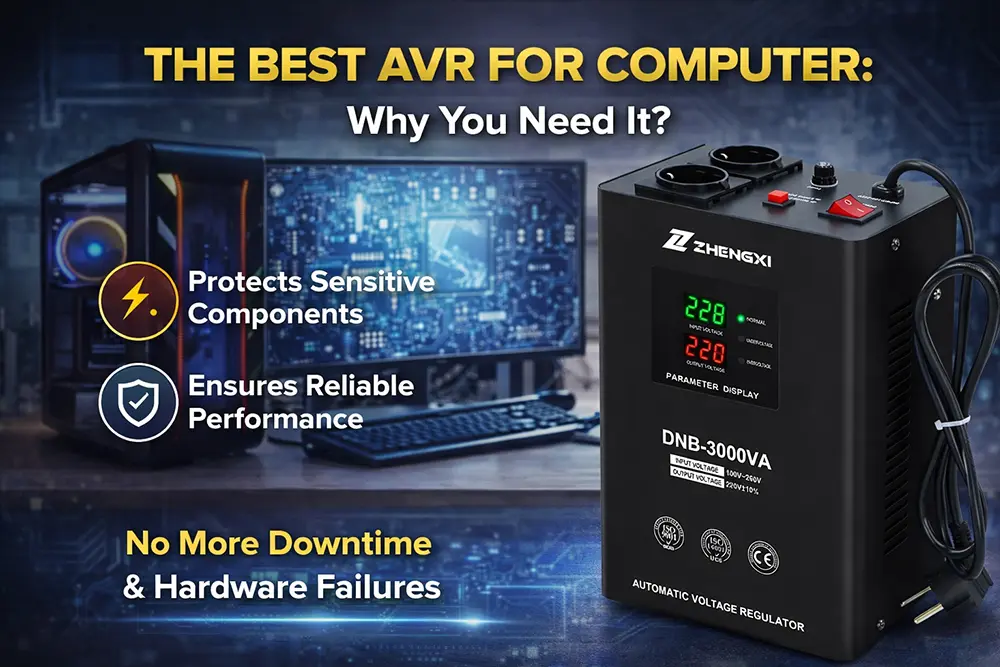
Stabilizzatore automatico di tensione monofase su misura montato a parete 0,5kVA-10kVA
Il prodotto personalizzato Stabilizzatore automatico di tensione monofase montato a parete è progettato per fornire una regolazione affidabile della tensione e una protezione per gli apparecchi elettrici domestici e commerciali. Con una gamma di potenza da 3,5kVA a 10kVA, questo stabilizzatore a parete garantisce un'erogazione di corrente costante, sicura ed efficiente, anche in aree con tensione di rete instabile o fluttuante.
Costruito con una tecnologia avanzata di controllo dei relè o dei servomotori, mantiene un'uscita costante a 220 V correggendo automaticamente le condizioni di sottotensione o sovratensione. Compatto, silenzioso ed efficiente, è ideale per case, uffici e piccole aziende che cercano una protezione affidabile dalla tensione in un design elegante da montare a parete.
Le lavatrici moderne si affidano a schede di controllo elettronico, motori ad inverter, sensori e display digitali, e questo li rende sensibili all'instabilità dell'alimentazione. In molte regioni, l'elettricità domestica può fluttuare a causa dell'instabilità della rete, dei forti carichi elettrici o delle condizioni meteorologiche.
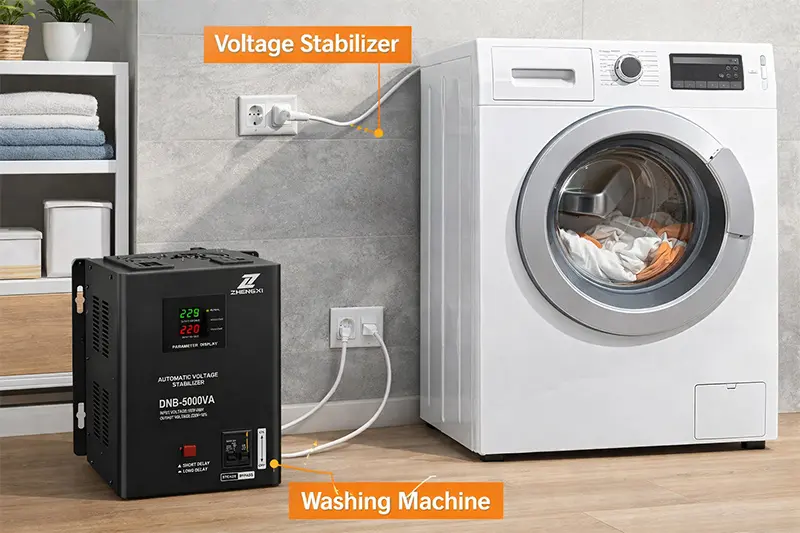
Installazione di un stabilizzatore di tensione per lavatrice contribuisce a garantire che l'apparecchio riceva un alimentazione sicura e stabile, proteggendo l'elettronica interna e prolungando la vita utile della macchina.
Questa guida spiega come funzionano gli stabilizzatori di tensione per lavatrici, le loro applicazioni, le specifiche tecniche e come scegliere quello giusto. tensione stabilizzatore per il vostro apparecchio.
Che cos'è uno stabilizzatore di tensione per una lavatrice?
A stabilizzatore di tensione è un dispositivo elettrico progettato per mantenere un tensione di uscita stabile entro un intervallo di tolleranza sicuro, anche in caso di fluttuazione della tensione di ingresso.
Secondo le referenze di elettrotecnica e le ricerche sulla qualità dell'energia pubblicate dall'Istituto per l'energia elettrica. IEEE (Istituto degli ingegneri elettrici ed elettronici), Le fluttuazioni di tensione sono una delle cause più comuni di guasto delle apparecchiature elettroniche negli ambienti residenziali.
È stato installato uno stabilizzatore di tensione per lavatrici tra la presa di corrente a muro e l'apparecchio. Monitora continuamente la tensione in ingresso e la corregge automaticamente a un livello sicuro.
La maggior parte delle lavatrici è progettata per funzionare a:
- 220-240 V in molte regioni (Asia, Europa, Africa)
- 110-120 V in Nord America
Se la tensione di alimentazione supera questo intervallo, può provocare un'alterazione della tensione di alimentazione:
- Malfunzionamento della scheda di controllo
- Surriscaldamento del motore
- Arresti imprevisti
- Danno elettronico permanente
Uno stabilizzatore previene questi problemi regolando la tensione e proteggendo l'apparecchio.
Perché le lavatrici hanno bisogno di uno stabilizzatore di tensione
Protezione dalle fluttuazioni di tensione
Le reti elettriche non sono sempre perfettamente regolate. Le variazioni di tensione possono essere dovute a:
- Elevata domanda di elettricità nelle aree residenziali
- Fulmini o tempeste
- Cablaggio difettoso o squilibrio del trasformatore
- Accensione e spegnimento di apparecchiature industriali
Nelle reti elettriche scarsamente regolate, la tensione può fluttuare da Da 140 V a oltre 280 V, che supera l'intervallo di funzionamento sicuro della maggior parte degli elettrodomestici.
Secondo gli studi sulla qualità dell'energia elettrica citati in Standard di alimentazione IEC, Le fluttuazioni di tensione prolungate possono ridurre significativamente la durata di vita delle apparecchiature elettroniche.
Proteggere l'elettronica sensibile
Le lavatrici moderne includono diversi componenti elettronici delicati:
- Schede di controllo basate su microprocessore
- Azionamenti motore con inverter
- Display e sensori digitali
- Sistemi di rilevamento automatico del carico
Questi sistemi richiedono tensione stabile per un funzionamento preciso. Anche piccoli cali o picchi di tensione possono causare errori di funzionamento o danneggiare i circuiti elettronici.
Utilizzando un Stabilizzatore di tensione per apparecchi dedicati contribuisce a mantenere costanti le prestazioni e a prevenire costose riparazioni.
Prolungare la durata di vita dell'apparecchio
Una tensione stabile migliora l'affidabilità delle lavatrici:
- Riduzione dello stress elettrico sui componenti interni
- Prevenzione del surriscaldamento di motori e schede elettroniche
- Garantire prestazioni di lavaggio costanti
Di conseguenza, uno stabilizzatore di tensione può prolungare in modo significativo la durata di vita dell'apparecchio e ridurre i costi di manutenzione.
Applicazioni comuni degli stabilizzatori per lavatrici
Gli stabilizzatori di tensione per lavatrici sono ampiamente utilizzati in vari ambienti.
Case residenziali
In molte case, gli stabilizzatori proteggono elettrodomestici come lavatrici, frigoriferi, televisori e condizionatori d'aria.
Appartamenti ed edifici di grandi dimensioni
Gli edifici residenziali di alto livello spesso sperimentano cali di tensione durante i picchi di domanda di elettricità, soprattutto negli impianti elettrici più vecchi.
Lavanderie commerciali
Le lavanderie commerciali hanno bisogno di una tensione stabile per far funzionare più lavatrici contemporaneamente. Gli stabilizzatori di tensione aiutano a prevenire i tempi di inattività e i danni alle apparecchiature.
Regioni rurali e in via di sviluppo
Paesi in Asia, Africa e Sud America Le fluttuazioni di potenza sono frequenti e gli stabilizzatori sono essenziali per proteggere gli elettrodomestici.
Immagine】
alt: stabilizzatore di tensione a parete utilizzato per le lavatrici di lavanderie commerciali
Tipi di stabilizzatori di tensione per lavatrici
Sono disponibili diverse tecnologie di stabilizzazione a seconda dei requisiti di potenza e precisione.
Stabilizzatore di tensione a relè
Stabilizzatori a relè regolare la tensione commutando gli interruttori del trasformatore mediante relè.
Vantaggi:
- Conveniente
- Correzione rapida della tensione
- Design compatto
Sono comunemente utilizzati per piccoli elettrodomestici e lavatrici.
Stabilizzatore di tensione del servo
Servo stabilizzatori utilizzare un servomotore e meccanismo a spazzole di carbone per regolare continuamente l'uscita del trasformatore.
Vantaggi:
- Precisione della tensione elevata
- Regolazione regolare
- Adatto a carichi elevati
I servo stabilizzatori sono spesso utilizzati per grandi elettrodomestici o attrezzature commerciali.
Stabilizzatore statico (elettronico)
Stabilizzatori statici utilizzo circuiti completamente elettronici e componenti a semiconduttore per la regolazione della tensione.
Vantaggi:
- Tempo di risposta estremamente rapido
- Alta affidabilità
- Nessuna usura meccanica
Sono comunemente utilizzati in sistemi avanzati di protezione dell'energia.
Immagine】
alt: struttura interna del servo stabilizzatore di tensione con trasformatore e circuito di controllo
Specifiche tecniche fondamentali da considerare
Quando si sceglie uno stabilizzatore di tensione per una lavatrice, è necessario valutare diversi parametri.
Capacità dello stabilizzatore (VA nominale)
La potenza dello stabilizzatore deve essere superiore al consumo energetico della lavatrice.
La potenza tipica delle lavatrici varia da Da 500 W a 1000 W, a seconda del modello e del tipo di motore.
Esempio di calcolo:
- Potenza della lavatrice: 800 W
- Stabilizzatore consigliato: 1 kVA
Dimensioni consigliate per lo stabilizzatore
| Potenza della lavatrice | Stabilizzatore consigliato |
|---|---|
| 500 W | 1 kVA |
| 800 W | 1 kVA |
| 1000 W | 1,5 kVA |
Scegliere uno stabilizzatore con 20-30% capacità extra garantisce un funzionamento affidabile.
Intervallo di tensione in ingresso
Gli intervalli di ingresso dello stabilizzatore più comuni includono:
- 140 V - 260 V (modelli standard)
- 90 V - 300 V (stabilizzatori ad ampio raggio)
Se la vostra zona è soggetta a forti fluttuazioni, una Stabilizzatore dell'ampio intervallo di tensione d'ingresso è consigliato.
Precisione della tensione di uscita
La maggior parte degli stabilizzatori mantiene la tensione di uscita a:
220 V ±5%
La tensione di uscita stabile garantisce il corretto funzionamento della lavatrice.
Tempo di risposta
Il rapido tempo di risposta consente agli stabilizzatori di correggere rapidamente le fluttuazioni di tensione prima che queste influiscano sui dispositivi elettronici sensibili.
Tempi di risposta tipici:
- Stabilizzatore di relè: 10-20 ms
- Stabilizzatore statico: <5 ms
Caratteristiche di protezione
Gli stabilizzatori di alta qualità includono molteplici funzioni di protezione:
- Protezione da sovratensione
- Protezione da sottotensione
- Protezione da sovraccarico
- Protezione termica
- Protezione dalle sovratensioni
Queste caratteristiche migliorano la sicurezza e l'affidabilità dell'apparecchio.
Stabilizzatore integrato vs. stabilizzatore di tensione esterno
Alcune lavatrici moderne dichiarano di includere protezione di tensione integrata, ma questi sistemi hanno dei limiti.
| Caratteristica | Protezione integrata | Stabilizzatore esterno |
|---|---|---|
| Intervallo di correzione della tensione | Limitato | Ampio |
| Protezione dalle sovratensioni | Base | Avanzato |
| Durata di vita delle apparecchiature | Moderato | Più alto |
| Adatto a griglie instabili | Non sempre | Sì |
Secondo i produttori di apparecchiature elettriche come Schneider Electric e ABB, gli stabilizzatori di tensione esterni forniscono regolazione dell'alimentazione più affidabile per gli elettrodomestici in ambienti di rete instabili.
Immagine】
alt: moderno stabilizzatore digitale di tensione per lavatrice con display a LED
Come scegliere lo stabilizzatore giusto per una lavatrice
Per la scelta dello stabilizzatore, attenersi alla seguente procedura.
1. Controllare la potenza della lavatrice
Osservare l'etichetta delle specifiche sull'apparecchio. La maggior parte delle macchine consuma 500-1000 W.
2. Scegliere la corretta capacità dello stabilizzatore
Selezionare uno stabilizzatore con 120-150% della potenza nominale dell'apparecchio.
Esempio:
- Lavatrice da 800 W
- Stabilizzatore consigliato: 1 kVA
3. Selezionare l'intervallo di tensione appropriato
Se la vostra zona è soggetta a un'alimentazione elettrica instabile, scegliete una Stabilizzatore ad ampio intervallo di ingresso.
4. Considerare il tipo di installazione
Le opzioni di installazione più comuni includono:
- Stabilizzatori plug-and-play
- Stabilizzatori a parete
- Stabilizzatori multi-apparecchio
5. Verifica delle certificazioni di sicurezza
Gli stabilizzatori affidabili sono conformi agli standard internazionali quali:
- Standard di sicurezza elettrica IEC
- Certificazione CE
- Sistemi di gestione della qualità ISO
FAQ
Molte lavatrici moderne includono circuiti di protezione di base della tensione, ma non sono in grado di gestire forti fluttuazioni di tensione. Uno stabilizzatore esterno fornisce protezione più forte e intervallo di correzione della tensione più ampio, soprattutto nelle regioni in cui la fornitura di energia elettrica è instabile.
La maggior parte delle lavatrici domestiche richiede uno stabilizzatore Da 1 kVA a 1,5 kVA, a seconda della potenza assorbita e del tipo di motore.
Sì, ma lo stabilizzatore deve avere una capacità sufficiente. Tuttavia, l'utilizzo di un stabilizzatore di tensione dedicato per lavatrice fornisce una risposta più rapida e una migliore protezione.
Conclusione
A stabilizzatore di tensione per lavatrici è una soluzione efficace per proteggere i moderni elettrodomestici dall'instabilità dell'alimentazione. Mantenendo una tensione stabile, gli stabilizzatori prevengono i danni elettronici, migliorano le prestazioni delle lavatrici e prolungano la durata delle apparecchiature.
Se utilizzato in case, appartamenti, lavanderie commerciali o regioni con reti elettriche instabili., Scegliere lo stabilizzatore giusto in base a capacità, intervallo di tensione e caratteristiche di protezione garantisce un funzionamento affidabile dell'apparecchio e un risparmio a lungo termine.