




SBW Industrial Outdoor 100KVA 3 Phase Servo Stabilizzatore automatico di tensione per attrezzature meccaniche
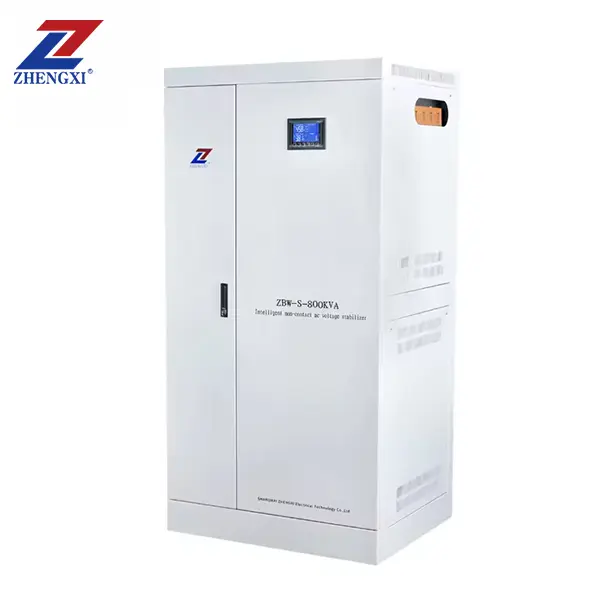
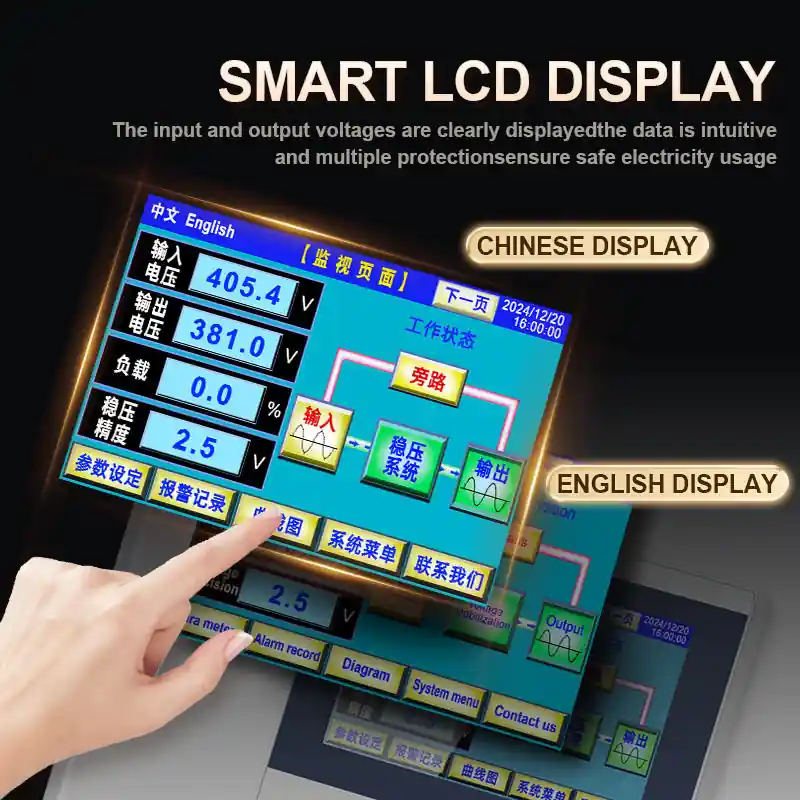
Stabilizzatore di tensione statico intelligente completamente automatico senza contatto da 1000kVA trifase ad alta potenza con display LCD


Stabilizzatore automatico statico di tensione di IGBT di 3 fasi di ZBW 10Kva-4000Kva per le macchine di alta precisione
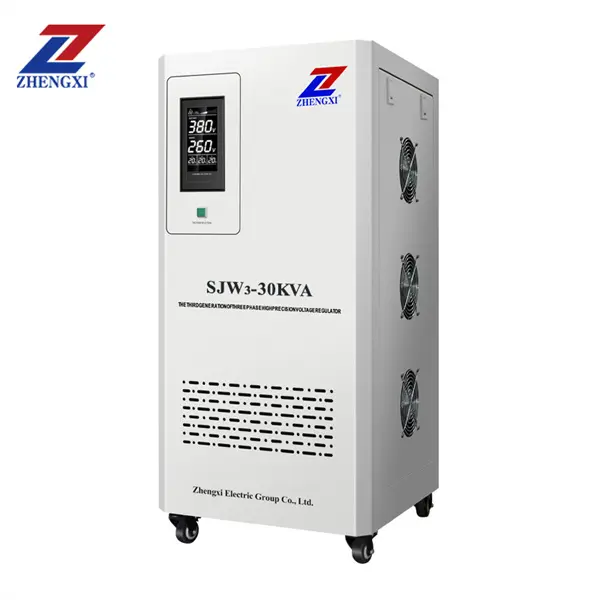
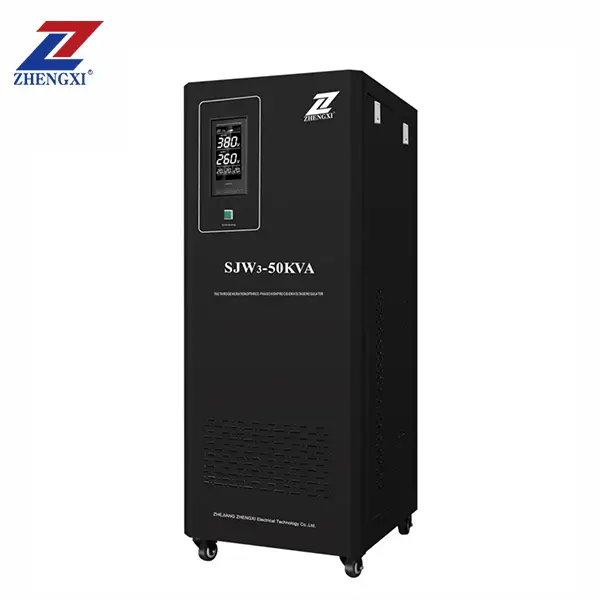
Stabilizzatore di tensione servoassistito SJW a 3 fasi da 40 KVA per centri dati commerciali
Il surriscaldamento è tra le principali modalità di guasto potenziali per stabilizzatori di tensione utilizzati in ambito industriale". In un ambiente industriale, quando si parla di stabilizzatori di tensione, ci si aspetta che siano molto diversi da quelli utilizzati per scopi commerciali o domestici, cioè un regolatore di tensione trifase. Basti pensare che un regolatore di tensione utilizzato in ambito industriale, a differenza della sua controparte utilizzata per scopi domestici o commerciali, ha una maggiore capacità di gestione del carico.
In questo articolo si analizzeranno in dettaglio le cause del surriscaldamento di questi stabilizzatori di tensione dal punto di vista tecnologico. Verranno illustrate le tendenze in atto sul mercato in termini di tecnologia di stabilizzazione della tensione, per poi offrire alcune informazioni pratiche di applicazione tratte da una serie di siti di riferimento autorevoli come IEEE, ABB, Schneider Electric e Wikipedia.
Come gli stabilizzatori di tensione industriali generano calore
A livello fondamentale, un stabilizzatore di tensione industriale compensa le fluttuazioni di tensione con metodi elettromagnetici, elettronici o ibridi. Le perdite elettriche durante la regolazione si manifestano come caloreche devono essere gestiti in modo adeguato.
Le fonti primarie di calore includono:
- Perdite di rame (perdite I²R) negli avvolgimenti
- Perdite di nucleo in trasformatori o reattori
- Perdite dei semiconduttori di potenza negli stabilizzatori elettronici
- Attrito meccanico negli stabilizzatori basati sui servomotori
Secondo gli standard IEEE, la generazione di calore aumenta esponenzialmente con la corrente di carico e la temperatura ambiente, rendendo gli stabilizzatori industriali molto più sensibili alle sollecitazioni termiche rispetto alle unità di minore potenza.
Motivi principali del surriscaldamento degli stabilizzatori di tensione industriali
1. Alta densità di carico nelle applicazioni industriali
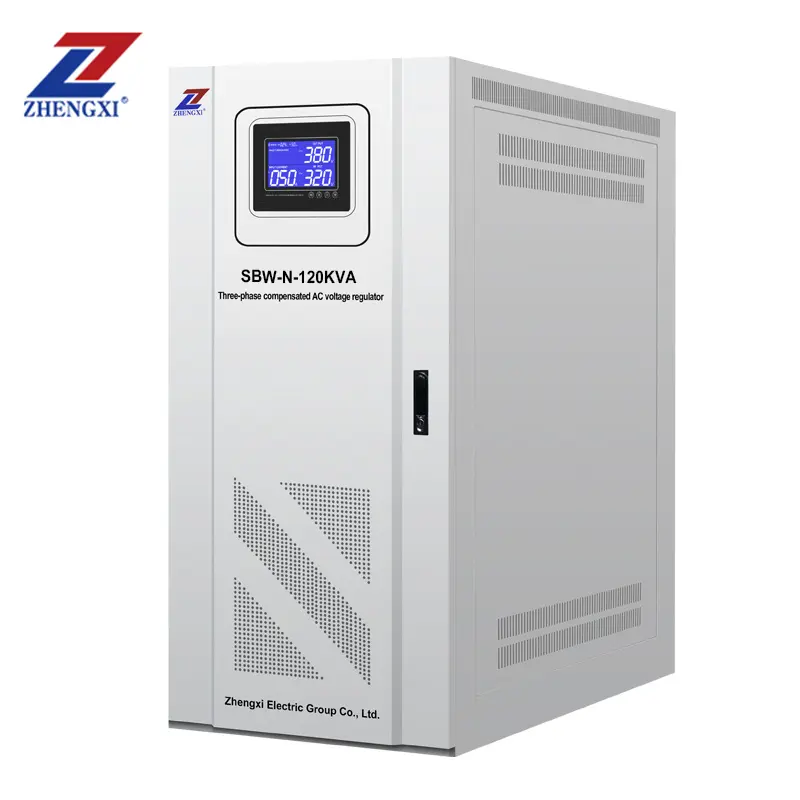
Gli stabilizzatori industriali operano spesso a 70-90% di capacità nominale per periodi prolungati. Macchinari pesanti come macchine CNC, sistemi di stampaggio a iniezione, compressori, ascensori e gru sollecitano continuamente lo stabilizzatore.
In stabilizzatori trifaseLa distribuzione non uniforme del carico intensifica ulteriormente il surriscaldamento. Una fase che trasporta costantemente una corrente più elevata porta a punti caldi localizzatiaccelerando l'invecchiamento dell'isolamento.
2. Scarsa qualità dell'alimentazione e armoniche
Gli ambienti industriali moderni sono pieni di carichi non lineari-(inverter, sistemi UPS, inverter) che introducono armoniche nella rete.
Causa delle armoniche:
- Perdite aggiuntive per correnti parassite
- Trasformatore saturazione del nucleo
- Aumento della corrente RMS oltre i valori nominali
Le linee guida IEEE sulla distorsione armonica indicano che un eccesso di armoniche aumentare in modo significativo le temperature internesoprattutto negli stabilizzatori convenzionali di tipo servo.
3. Progettazione inadeguata del raffreddamento
Il raffreddamento è fondamentale per l'affidabilità dello stabilizzatore. Molti problemi di surriscaldamento derivano da:
- Dissipatori di calore sottodimensionati
- Scarsa progettazione del flusso d'aria
- Ventole di raffreddamento di bassa qualità
- Spazio di ventilazione insufficiente
Gli stabilizzatori industriali installati in locali elettrici chiusi, in officine ad alta densità di polvere o in climi tropicali sono particolarmente vulnerabili. Rispetto a moderni stabilizzatori elettronici di ABB o Schneider Electric, le unità di fascia bassa possono Mancano sensori termici, ventole a temperatura controllata e ottimizzazione avanzata del flusso d'aria..
4. Attrito del servomotore e della spazzola di carbone (stabilizzatori del servo)
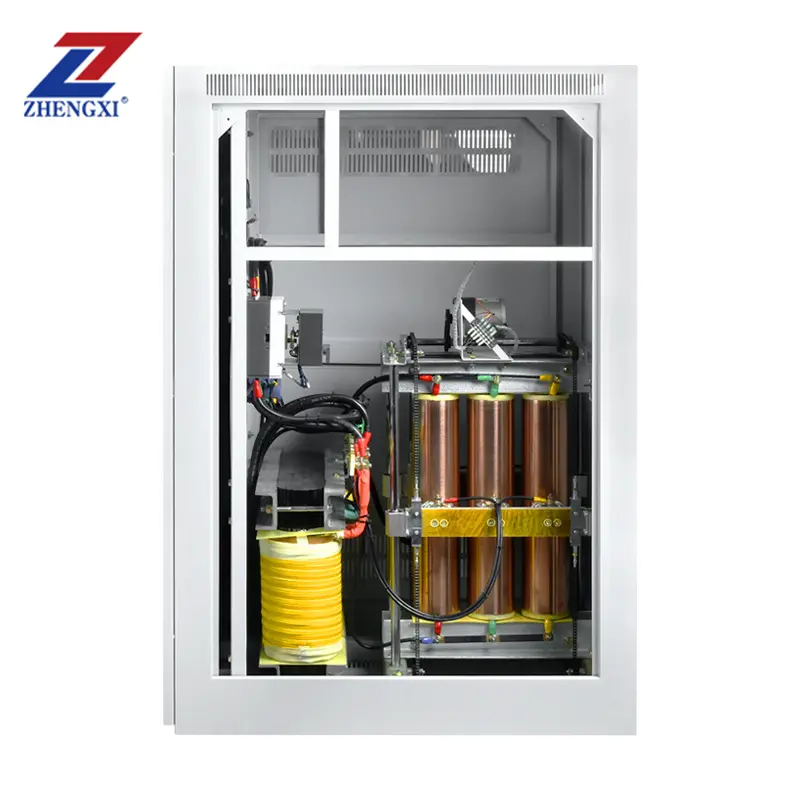
Gli stabilizzatori servocontrollati sono convenienti ma introducono fonti di calore meccanico:
- Funzionamento continuo del servomotore
- Attrito delle spazzole di carbonio sugli autotrasformatori
- Maggiore resistenza dovuta all'usura delle spazzole
Quando le spazzole invecchiano, il surriscaldamento localizzato accelera il degrado dell'isolamento, potenzialmente in grado di causare un guasto prematuro.
5. Dimensionamento e selezione non corretti
Gli stabilizzatori sottodimensionati sono una causa frequente di surriscaldamento. Gli errori più comuni includono:
- Selezione basata esclusivamente sulla kVA senza considerare la corrente di avviamento
- Ignorare il fattore di potenza dei carichi industriali
- Trascurare il declassamento della temperatura ambiente
Funzionamento dell'apparecchiatura al di sopra dei limiti termici di progetto subisce un invecchiamento accelerato e frequenti guasti (Wikipedia, IEEE).
Applicazioni industriali ad alto rischio di surriscaldamento
Il surriscaldamento è particolarmente comune nei casi di:
- Impianti di produzione con carichi fluttuanti
- Impianti minerari e di estrazione di petrolio e gas
- Industrie tessili e della stampa
- Centri dati che utilizzano stabilizzatori trifase
- Sistemi di energia rinnovabile con inverter collegati alla rete
In questo caso, gli stabilizzatori devono spesso affrontare funzionamento continuo, scarsa ventilazione e condizioni di rete instabili, simultaneamente.
Tendenze di mercato ed evoluzione tecnologica
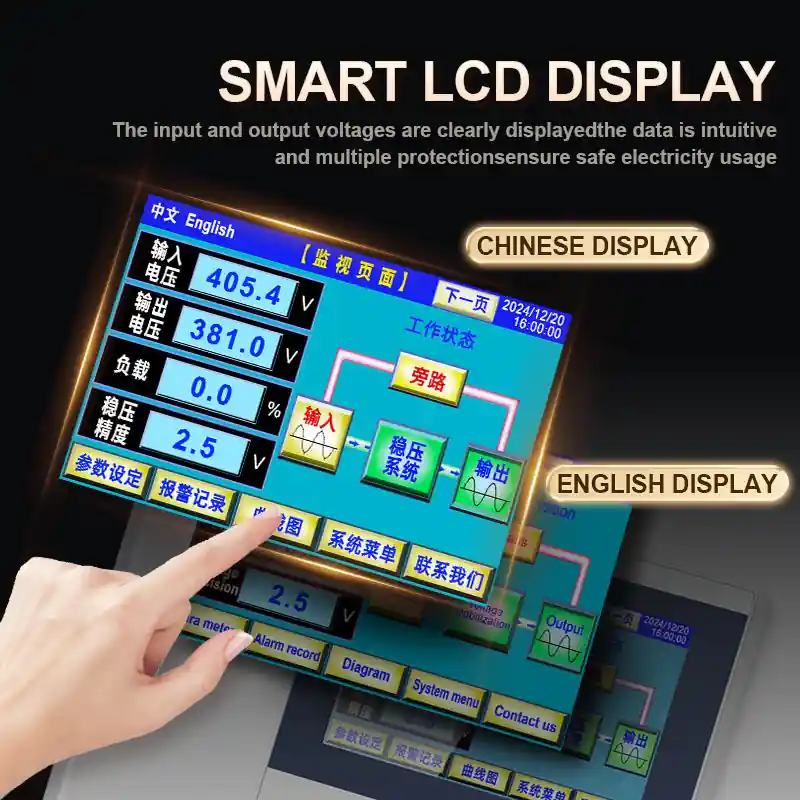
Le tendenze globali mostrano un chiaro spostamento verso:
- Stabilizzatori statici (elettronici)
- Stabilizzatori trifase basati su IGBT
- Monitoraggio intelligente con sensori di temperatura e allarmi
Rispetto ai tradizionali servo stabilizzatori, le moderne unità elettroniche offrono:
- Risposta più rapida
- Perdite meccaniche ridotte
- Ridotta generazione di calore
- Maggiore efficienza ai carichi parziali
Produttori come Schneider Electric sottolineano ottimizzazione della progettazione termica come elemento chiave di differenziazione nelle soluzioni di alimentazione industriale. ZHENGXI Elettrico sfrutta standard di produzione simili a quelli degli OEM, garantendo prestazioni termiche affidabili per le applicazioni industriali di tutto il mondo.
Confronto tecnico: Servo e stabilizzatori elettronici
| Caratteristica | Stabilizzatore di tensione del servo | Stabilizzatore elettronico di tensione |
|---|---|---|
| Generazione di calore | Alto (meccanico + elettrico) | Basso |
| Velocità di risposta | Lento (a motore) | Veloce (millisecondi) |
| Manutenzione | Frequenti (spazzole, motori) | Minimo |
| Rischio di surriscaldamento | Elevato sotto carico pesante | Relativamente basso |
| Caso d'uso ideale | Ambienti stabili | Condizioni industriali difficili |
Come si differenziano gli stabilizzatori di tensione industriali da altre soluzioni
A differenza dei sistemi UPS o dei trasformatori di isolamento, gli stabilizzatori industriali:
- Funzionamento continuo
- Gestione diretta della correzione della tensione
- Sono esposti all'instabilità della rete in tempo reale
Questo rende gestione termica molto più critica. Rispetto ai trasformatori standard, gli stabilizzatori sperimentano stress termico dinamiconon solo il riscaldamento allo stato stazionario.
Guida all'acquisto e alla scelta: Ridurre il rischio di surriscaldamento
Quando si sceglie uno stabilizzatore industriale o trifase:
- Sovradimensionamento di 50-100% rispetto al carico calcolato
- Verifica compatibilità armonica
- Selezionare le unità con:
- Raffreddamento ad aria forzata
- Protezione termica e allarmi
- Isolamento di classe ad alta temperatura
- Garantire ventilazione adeguata durante l'installazione
- Preferisci stabilizzatori elettronici per cicli di lavoro intensivi
- Scegliere gli stabilizzatori conforme agli standard IEC e IEEE per la massima durata e affidabilità
FAQ: Domande comuni sul surriscaldamento dello stabilizzatore
D1: Il surriscaldamento è normale in uno stabilizzatore industriale?
Un po' di calore è normale, ma temperature eccessive indicano problemi di dimensionamento, ventilazione o qualità dell'alimentazione.
D2: Gli stabilizzatori trifase hanno maggiori probabilità di surriscaldarsi rispetto a quelli monofase?
Sì. Le unità trifase gestiscono potenze più elevate e un complesso bilanciamento del carico, rendendole sensibili alle armoniche e allo squilibrio di fase.
D3: Il surriscaldamento può ridurre la durata dello stabilizzatore?
Assolutamente sì. I modelli di invecchiamento termico IEEE mostrano che ogni aumento di 10°C rispetto alla temperatura nominale può dimezzare la durata dell'isolamento, che porta a un guasto prematuro.
Conclusione
Gli stabilizzatori di tensione industriali si surriscaldano più facilmente a causa di alta densità di carico, condizioni di rete instabili, distorsione armonica e ambienti esigenti.. I design tradizionali dei servocomandi, il raffreddamento inadeguato e il dimensionamento non corretto aumentano ulteriormente il rischio termico, soprattutto per le unità trifase.
Comprendendo questi fattori e adozione di moderni stabilizzatori elettronici con un'adeguata progettazione termicaGli utenti industriali possono migliorare significativamente l'affidabilità, la sicurezza e la durata del sistema. Per i produttori OEM come ZHENGXI ElettricoLa gestione termica non è facoltativa: è una priorità progettuale fondamentale che garantisce che gli product forniscano protezione costante e ad alte prestazioni nelle applicazioni industriali più esigenti.
 IT
IT  EN
EN  FR
FR  ES
ES  PT
PT  RU
RU  AR
AR  FA
FA