



A voltage stabilizer for home or home voltage regulator is an electrical device that automatically regulates unstable voltage and provides a stable voltage supply to household appliances.
In many residential electrical power systems, voltage instability, low voltage during peak hours, and sometimes overvoltages are major issues. These voltage fluctuations may not result in the failure of appliances, but they may reduce the lifespan of appliances. A residential voltage stabilizer will help to maintain the voltage within the safe operating limits and extend the lifespan of appliances.
Our voltage stabilizers are developed and constructed for residential usage. Our voltage regulators have compact designs, low operating noise, and stable voltage regulation. We provide voltage regulators for residential apartments, houses, villas, and small residential buildings.
Typical applications include:
- Air conditioners
- Refrigerators & freezers
- Washing machines
- TVs & home electronics
- Whole-house power protection
👉 Not sure which model fits your home?
Share your appliance list and local voltage range — our engineers will help you select the most suitable solution.

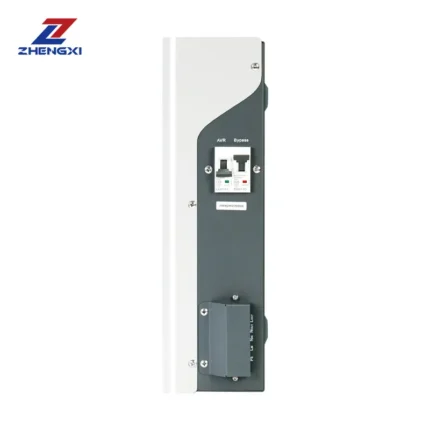
Single Phase IGBT Pure Sine Wave Inverter Voltage Regulator Stabilizer
A stable voltage is essential to ensure the proper functioning of various electrical and electronic devices.
This Single Phase IGBT Pure Sine Wave Inverter Voltage Regulator Stabilizer is specifically engineered to provide higher precision voltage regulation, fast response, and low harmonic distortion, especially in situations where conventional servo or relay voltage stabilizers fail to perform adequately.
With the adoption of IGBT-based inverter regulation technology, this single-phase stabilizer ensures a clean and stable AC output even during harsh conditions associated with intense grid fluctuations, making it an ideal stabilizer for sensitive loads.
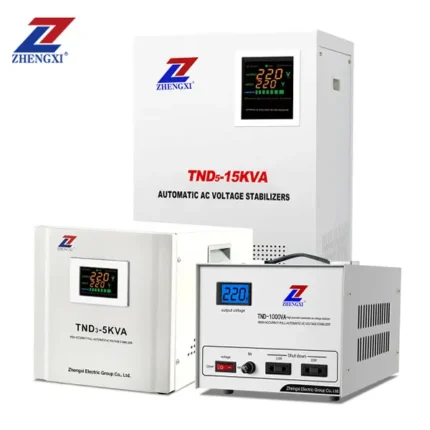
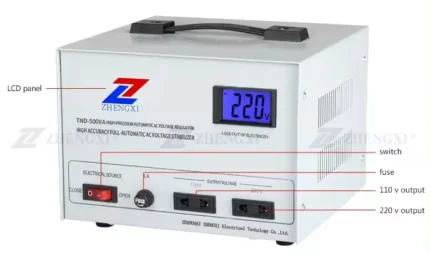
20KVA Single-Phase Full Automatic AC Voltage Stabilizer AVR For Refrigerator
If your home or business suffers from frequent voltage drops or spikes, your electrical appliances—especially refrigerators—are at risk. The 20KVA Single-Phase Full Automatic AC Voltage Stabilizer is designed to deliver stable, clean voltage to protect refrigerators, freezers, air conditioners, and other sensitive electronics.
Built with a servo motor control system, this AVR offers high accuracy, fast correction, and reliable performance—ideal for residential homes, commercial kitchens, supermarkets, and cold storage environments.


PC-TBR5KVA Single-Phase Voltage Stabilizer for Home Electronics
The PC-TBR5KVA Single-Phase Voltage Stabilizer is designed to protect your home electronics from damaging voltage fluctuations. Whether you're a homeowner looking for stable power, a distributor supplying voltage protection products, or a business needing reliable single-phase AVR equipment, this 5kVA stabilizer offers dependable performance, simple operation, and long service life.
Built with a relay-type control system, digital voltage display, multiple protection features, and high efficiency, it ensures stable 220V output even when your input voltage is unstable.


500va-10Kva Wall-Mounted Voltage Stabilizer for Small Appliances
With power grid voltage fluctuations becoming more common, home and commercial appliances can be easily damaged by unstable voltage. This 500VA–10KVA wall-mounted automatic voltage stabilizer uses a relay-controlled multi-tap transformer to adjust the input voltage in real time and provide a stable 220VAC output. Its compact wall-mount design saves space and is ideal for household appliances and small commercial equipment such as TVs, refrigerators, air conditioners, and computers. It helps prevent overheating, malfunction, and early failure caused by voltage instability, ensuring safer and more efficient operation.


Digital Display Whole House Relay AVR for Real-Time Voltage Monitoring
Looking for a simple and reliable home voltage stabilizer? This Digital Display Relay AVR is designed for whole-house protection, offering real-time monitoring of input and output voltage through a clear digital screen. It automatically regulates voltage fluctuations and protects home appliances from damage caused by unstable electricity.
This display stabilizer is ideal for homes, apartments, small offices, villas and areas with poor grid quality.

High-Precision 10KVA Servo Voltage Stabilizer for Sensitive Devices
The High-Precision 10KVA Servo Voltage Stabilizer is specially designed for users who need accurate and stable power for sensitive and high-value electronic equipment. It uses a servo motor control system to continuously correct voltage in real time, ensuring your devices always receive clean and safe power.
This model is ideal for home, medical, office, laboratory, telecom, and industrial applications where voltage stability directly affects equipment performance and lifetime.


30KVA Automatic Voltage Regulator for Home & Office Use
Type: Vertical typer, Wall-mounted
Available ranges: AC 45–260Vr, 80–260V, 100–260V, 140–260V (Custom voltage is supported)
The 30KVA Automatic Voltage Regulator (AVR) is specially designed for residential homes, commercial offices, shops, and light industrial use where stable power is important for electrical appliances, computers, lighting and communication equipment. With wide input voltage options and a compact design, this model helps protect devices against unstable grid power, voltage drops, and unexpected surges.
This home stabilizer uses relay control technology, digital monitoring, and multiple built-in protections, making it a reliable and cost-effective solution for long-term voltage regulation.
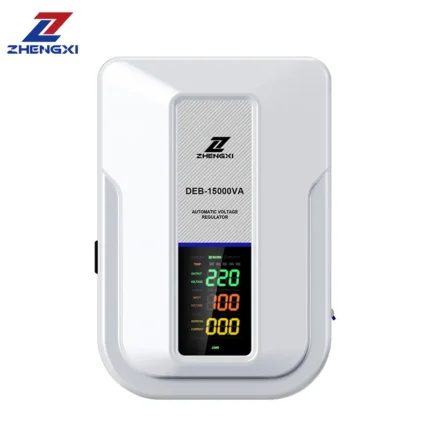
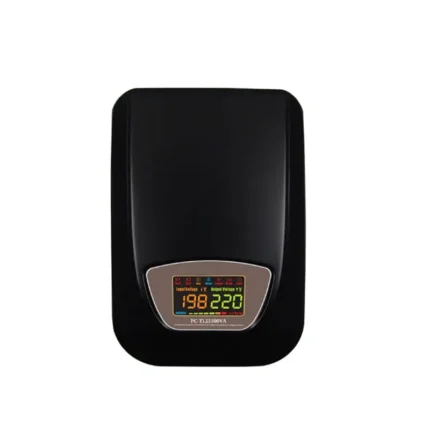
Customized Single Phase Wall Mounted 0.5kVA-10kVA Automatic Voltage Stabilizer
The Customized Single Phase Wall Mounted Automatic Voltage Stabilizer is designed to provide reliable voltage regulation and protection for household and commercial electrical appliances. With a power range from 3.5kVA to 10kVA, this wall-mounted stabilizer ensures steady, safe, and efficient power delivery, even in areas with unstable or fluctuating mains voltage.
Built with advanced relay or servo motor control technology, it maintains a constant 220V output by automatically correcting under-voltage or over-voltage conditions. Compact, quiet, and efficient, it’s ideal for homes, offices, and small businesses seeking dependable voltage protection in a sleek wall-mounted design.
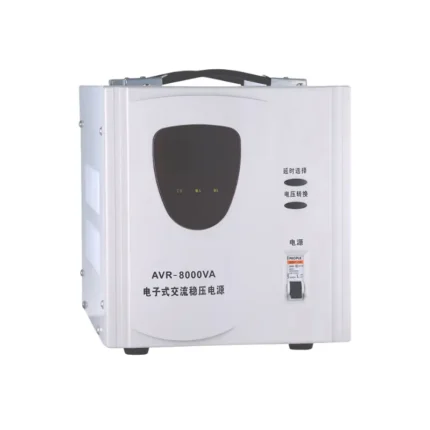
People Avr Series 0.5Kva-10Kva Single Phase Automatic Voltage Stabilizer For Home
The People AVR Series Single Phase Automatic Voltage Stabilizer is a smart, micro-computer-controlled device that keeps your home or small office power safe and stable.
Using advanced 8-bit CPU technology, it quickly detects voltage changes and fixes them within milliseconds, making sure your appliances always get a steady 220V output. No matter if the input voltage is too high or too low, it automatically adjusts to protect your devices from overvoltage, undervoltage, and overload problems.
With its compact design, easy-to-read LED display, and smart delay function, the People AVR Series offers reliable performance and simple operation — perfect for everyday home use.
Why Do You Need a Voltage Stabilizer for Home?
From an engineering point of view, one of the most underrated factors contributing to premature failure of home appliances is unstable voltage levels.
When home appliances are not subjected to a stable voltage supply, they may suffer from:
- Damage to compressors in air-conditioners and refrigerators
- Overheating of motors and electronic circuits
- Increased instances of shutdowns, fault codes, or error messages
- Reduced lifespan and increased maintenance costs
A home voltage stabilizer constantly monitors the incoming voltage supply and adjusts it to within a predetermined limit. This helps to safeguard sensitive components of home appliances, including compressors, motors, and electronic circuits, against long-term electrical stress.
Types of Home Voltage Stabilizer
Different homes and appliance types require different voltage stabilization technologies. Below is a practical comparison of the most common home voltage stabilizer types:
| Type | Best For | Advantages | Limitations |
|---|---|---|---|
| Relay Type | Small home appliances | Cost-effective, compact | Step regulation, slower response |
| Servo Type | Whole-house / AC systems | High accuracy, wide voltage range | Mechanical moving parts |
| Static Type | Sensitive electronics | Fast response, no moving parts | Higher cost |
Selection Tip:
-
Small appliances → Relay stabilizer
-
Whole-house or heavy loads → Servo stabilizer
-
Sensitive electronics → Static stabilizer
👉 Not sure which type is suitable for your application? Contact us for a quick comparison and recommendation based on real operating conditions.
How to Choose the Right Home Voltage Stabilizer (kVA Guide)
Selecting the correct voltage stabilizer for home use depends on several key technical parameters.
Step 1: Calculate Total Load
List all appliances to be protected and calculate their total rated power.
Step 2: Check Input Voltage Range
Confirm the minimum and maximum voltage in your area (for example: 140–260V).
Step 3: Confirm Phase Type
-
Single-phase: Most residential homes
-
Three-phase: Villas or large houses with heavy electrical loads
Key Parameters to Consider
-
Rated capacity (kVA)
-
Input voltage range
-
Output voltage accuracy
-
Response time
-
Installation method (wall-mounted or floor-standing)
👉 Provide your appliance list and local voltage range — our engineers will recommend the correct kVA model with an appropriate safety margin.
Recommended Voltage Stabilizer for Home Appliances
| Home Appliance | Typical Power | Recommended Stabilizer |
|---|---|---|
| Air Conditioner (1–2 ton) | 1–2 kW | 3–5 kVA |
| Refrigerator | 500–800 W | 1–2 kVA |
| Washing Machine | 800–1200 W | 2–3 kVA |
| LED TV & Electronics | <500 W | 1 kVA |
| Whole House | — | 5–10 kVA (depending on load) |
Note:
In practical home applications, the value of starting current, particularly from compressors and motors, can often be the deciding factor in choosing a stabilizer. Engineers would normally recommend that a sufficient margin of capacity be allowed rather than just basing a choice on rated power.
Home Voltage Stabilizer vs Voltage Regulator for Home
In home power protection, the home voltage stabilizer and voltage regulator for home are sometimes used interchangeably. Both describe a device that is intended to provide a stable output voltage and protect home appliances from voltage variations.
The practical differences usually lie in:
-
Regulation method
-
Voltage accuracy
-
Response speed
Our product range covers both stabilizer- and regulator-based solutions to meet different residential performance and budget requirements.
From an Engineer’s Perspective: Common Selection Mistakes
Based on real residential projects, the most common issues we see include:
-
Selecting insufficient kVA capacity without considering starting current
-
Ignoring the actual voltage fluctuation range of the local grid
-
Using narrow-range stabilizers in areas with severe voltage drops
-
Poor installation conditions such as inadequate ventilation
Avoiding these issues during the selection stage can significantly improve system reliability and appliance lifespan.
Certified Home Voltage Stabilizer Manufacturer
As a professional voltage stabilizer manufacturer, we provide reliable solutions for residential and household power protection worldwide.
Our strengths include:
-
ISO-certified manufacturing system
-
CE-compliant designs (other certifications available on request)
-
Factory-direct supply for OEM & wholesale buyers
-
100% functional testing before shipment
-
Stable quality and long-term supply capability
We support customization based on voltage range, capacity, enclosure design, and branding requirements.
Installation & Usage Notes for Home Voltage Stabilizer
-
Install the stabilizer in a dry, well-ventilated location
-
Ensure proper grounding before operation
-
Do not operate beyond the rated capacity
-
For whole-house systems, professional installation is recommended
Detailed installation manuals and wiring diagrams are provided with each unit.
FAQ
What is the difference between a home voltage stabilizer and a UPS?
A voltage stabilizer is a device that manages the voltage but does not provide backup power. A UPS provides short-term backup power and may not be able to manage large variations in voltage.
Do inverter air conditioners require a voltage stabilizer?
Yes. Inverter air conditioners are very sensitive to voltage fluctuations, particularly in regions where voltage fluctuations are common.
What is the appropriate voltage range for residential use?
Typical residential voltage stabilizers are designed to handle voltages in the range of 140-260V, but the appropriate range would depend on the conditions of the power supply in your area.
How do I determine the correct kVA rating for my home voltage stabilizer?
Calculate total load, consider starting current, and always allow an appropriate safety margin.
Request a Quote for Home Voltage Stabilizer
Looking for a reliable voltage stabilizer for home or residential projects?
Send us your requirements and our engineers will recommend a suitable model and quotation.
 EN
EN  FR
FR  ES
ES  PT
PT  IT
IT  RU
RU  AR
AR  FA
FA