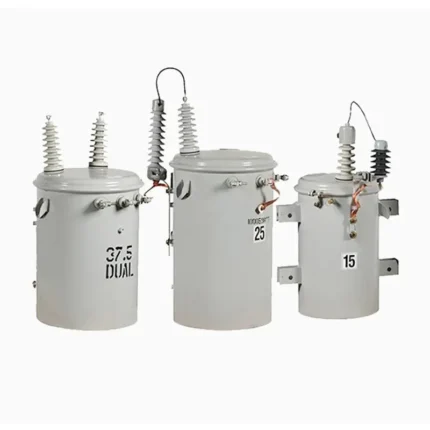




Grounding the neutral in a three-phase transformer is a critical design consideration for ensuring safety, system stability, and fault protection. Whether you’re specifying a 3 phase transformer, designing a three phase distribution transformer, or installing a Three Phase Power Transformer, understanding the methods and implications of neutral grounding can help you optimize performance and comply with relevant standards.
What Is Neutral Grounding?
Neutral grounding refers to the intentional connection of the transformer’s neutral point to earth (ground). In a Three Phase Transformer, the primary and/or secondary windings form a “star” (Y) configuration, creating a natural neutral point where the three winding junctions meet. Connecting this neutral point to earth can:
- Limit overvoltages during transient events
- Provide a reference point for system voltage
- Facilitate detection and clearance of ground faults
Why Ground the Neutral in a 3 Phase Transformer?
- Safety Enhancement
- Grounding the neutral ensures that exposed conductive parts remain at or near earth potential during normal operation, reducing shock hazards.
- Fault Protection
- When a single line-to-ground fault occurs, neutral grounding allows protective relays and circuit breakers to detect and clear the fault quickly, preventing equipment damage.
- Voltage Stability
- An ungrounded system can experience uncontrolled overvoltages on the healthy phases during a fault, leading to insulation stress. Grounding stabilizes phase-to-ground voltages.
Common Neutral Grounding Methods
| Method | Description | Typical Application |
|---|---|---|
| Solid Grounding | Direct connection of neutral to ground with no impedance. | Industrial plants requiring fast fault clearance. |
| Resistance Grounding | Neutral connected to ground through a resistor. | Limits fault current to manageable levels. |
| Reactance Grounding | Neutral connected via a reactor (inductor). | Controls fault current while limiting transient overvoltages. |
| Ungrounded (Isolated) | No intentional connection; grounding occurs via capacitance. | Small systems where momentary ground faults are tolerable. |
Selecting the Right Grounding Scheme
When choosing a grounding method for your three phase distribution transformer, consider:
- System Size & Criticality: Large installations (e.g., utility substations) often use solid or low-resistance grounding to ensure rapid fault clearance.
- Fault Current Limitation: In sensitive environments, resistance or reactance grounding can limit damage from line-to-ground faults.
- Regulatory Standards: Local electrical codes may mandate specific grounding approaches for 3 phase transformers.
- Operational Impact: Isolated systems may continue operation with a single ground fault but require continuous monitoring.
Benefits of Neutral Grounding
- Reduced Transient Overvoltages
Grounding absorbs and diverts transient energy, protecting insulation and connected equipment. - Improved Fault Detection
Easier to identify and clear ground faults, minimizing downtime. - Enhanced System Protection Coordination
Facilitates selective tripping of protective devices, preserving healthy parts of the network.
Applications in Three Phase Power Transformer Installations
- Industrial Power Distribution: Factories rely on grounded neutrals to safeguard personnel and machinery from unexpected voltage surges.
- Commercial Buildings: Grounded distribution transformers ensure stable power for sensitive electronics and lighting.
- Renewable Energy: Wind and solar farms use neutral grounding to interface safely with the grid and protect inverters.
Best Practices for Grounding Neutral
- Regular Maintenance & Testing
- Verify ground connections are intact and low-resistance.
- Perform ground-fault detection tests annually.
- Proper Sizing of Grounding Resistors or Reactors
- Calculate based on desired maximum fault current and system voltage.
- Comply with Standards
- Follow IEEE Std. 142 (Green Book) for grounding practices.
- Adhere to IEC 60076 for transformer installation guidelines.
FAQ
Q1: Can a three phase transformer operate without neutral grounding?
A: Yes, in an isolated (ungrounded) configuration, but ground faults may go undetected and transient overvoltages can rise, risking equipment damage.
Q2: What is the difference between solid and resistance grounding?
A: Solid grounding connects neutral directly to earth, allowing high fault currents for quick clearance; resistance grounding uses a resistor to limit fault current to a safer level.
Q3: How do I determine the correct resistor size for grounding?
A: Calculate based on system voltage and maximum allowable fault current using Ohm’s law (R = V_system / I_fault_limit).
Q4: Are there scenarios where ungrounded transformers are preferred?
A: Some small or isolated systems use ungrounded configurations to tolerate transient ground faults without immediate shutdown, but continuous monitoring is essential.
Q5: How does neutral grounding affect system neutral shift?
A: Proper grounding minimizes neutral shift by maintaining a solid reference to earth, ensuring balanced voltages across all phases.
Conclusion
Grounding the neutral of a 3 phase transformer is fundamental to achieving a safe, reliable, and stable power distribution system. By selecting the appropriate grounding method—whether solid, resistance, or reactance—you can optimize protection, reduce downtime, and comply with industry standards. Whether you’re specifying a Three Phase Transformer, a three phase distribution transformer, or a high-capacity Three Phase Power Transformer, proper neutral grounding should always be a top design priority.