




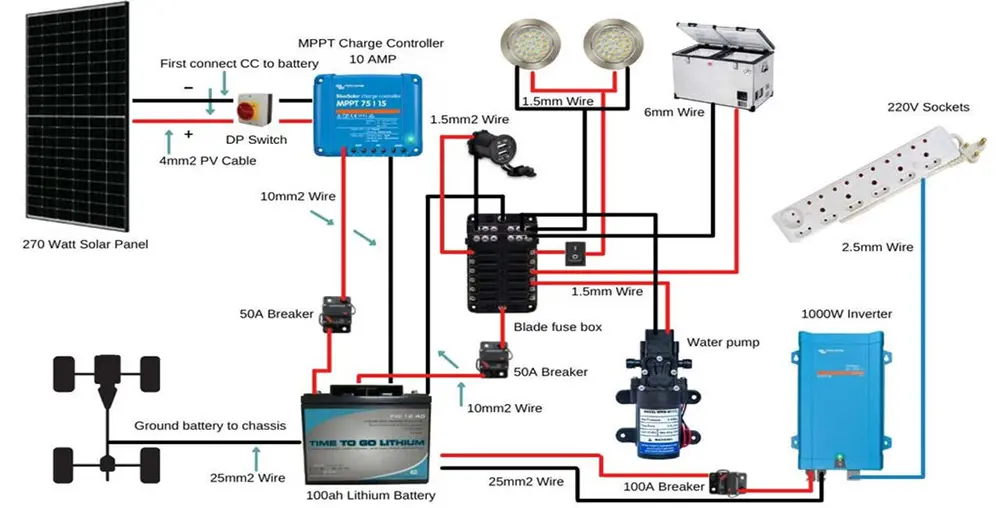
Alors que la demande de sources d'énergie propres et durables augmente dans le monde entier, les systèmes d'énergie solaire deviennent une solution clé pour la production d'énergie électrique résidentielle, commerciale et industrielle. Le composant clé de chaque système photovoltaïque (PV) est l'onduleur solaire, un composant qui convertit le courant électrique continu du panneau solaire en courant électrique alternatif.
Dans tout projet d'énergie solaire, l'onduleur solaire est un composant clé qui a un impact significatif sur les performances et la fiabilité du projet d'énergie solaire, et il est donc important de sélectionner un fabricant d'onduleurs solaires fiable pour le projet.
Pour sélectionner un fabricant d'onduleurs solaires, les installateurs solaires, les sociétés EPC et les développeurs de projets solaires doivent prendre en compte les facteurs suivants. Ce guide fournit une vue d'ensemble détaillée sur la manière de sélectionner un fabricant d'onduleurs solaires pour un projet solaire.
Résumé rapide : Facteurs clés dans le choix d'un fabricant de convertisseurs solaires
Lors de l'évaluation d'un fabricant d'onduleurs solaires, Pour ce faire, il convient de prendre en compte les facteurs critiques suivants :
- Expertise technique et capacité de R&D
- Efficacité de l'onduleur et performance MPPT
- Certifications internationales de sécurité
- Normes de qualité de fabrication et d'essai
- Surveillance intelligente et intégration logicielle
- Conditions de garantie et service après-vente
- Expérience dans l'industrie et références de projets
Un fabricant qui obtient de bons résultats dans ces domaines est beaucoup plus susceptible de fournir des solutions d'onduleurs fiables pour les systèmes solaires résidentiels, commerciaux et à grande échelle.
Que fait un fabricant de convertisseurs solaires ?
A fabricant d'onduleurs solaires conçoit, développe et produit des composants électroniques de puissance qui convertissent l'électricité en courant continu générée par les panneaux solaires en courant alternatif adapté aux habitations, aux entreprises et aux réseaux électriques.
Les onduleurs solaires modernes remplissent plusieurs fonctions avancées au-delà de la conversion de base de l'énergie :
- Suivi du point de puissance maximale (MPPT) pour maximiser la collecte de l'énergie solaire
- Synchronisation du réseau pour une exportation de puissance stable
- Systèmes de surveillance intelligents pour le suivi des performances
- Intégration de la batterie pour les systèmes de stockage d'énergie
- Protection du réseau et contrôles de sécurité
Selon les recherches menées par des organisations telles que l'Agence internationale de l'énergie (AIE) et l'IEEE, la technologie des onduleurs joue un rôle clé dans l'amélioration de l'efficacité des systèmes solaires et dans la stabilité du fonctionnement du réseau.
Aujourd'hui, les fabricants d'onduleurs solaires produisent généralement plusieurs types de technologies d'onduleurs :
Onduleurs à cordes
Il s'agit du type d'onduleur le plus couramment utilisé pour les installations solaires résidentielles et commerciales. Ils connectent plusieurs panneaux solaires en série et assurent une conversion d'énergie rentable.
Onduleurs centraux
Onduleurs à grande échelle utilisés dans les fermes solaires à grande échelle, Le système de gestion de l'eau est un système de gestion de l'eau qui est capable de gérer des capacités de puissance élevées.
Micro-onduleurs
Petits onduleurs fixés à des panneaux solaires individuels. Ils permettent d'optimiser la production de l'énergie dans le cas d'installations avec ombrage ou de toitures complexes.
Onduleurs hybrides
Onduleurs avancés qui combinent la production d'énergie solaire avec intégration du stockage en batterie, Le système d'alimentation en énergie de l'entreprise permet de stocker l'énergie et d'assurer une alimentation de secours.
Pourquoi il est important de choisir le bon fabricant de convertisseurs solaires
Sélection d'un produit fiable fabricant d'onduleurs solaires peut avoir un impact significatif sur les performances globales et la rentabilité d'un projet d'énergie solaire.
Les principaux avantages d'une collaboration avec un fabricant de haute qualité sont les suivants :
Efficacité accrue du système
Les conceptions avancées d'onduleurs permettent d'atteindre les objectifs suivants des rendements de conversion supérieurs à 98%, Le système de contrôle de l'énergie solaire permet d'assurer une production maximale d'électricité à partir des panneaux solaires.
Durée de vie plus longue de l'équipement
Les onduleurs solaires de haute qualité durent généralement 10-15 ans ou plus, Certains modèles haut de gamme offrent des garanties étendues pouvant aller jusqu'à 20 ans.
Réduction des coûts de maintenance
La fiabilité du matériel de l'onduleur et la conception thermique avancée réduisent le risque de défaillance du système et de maintenance coûteuse.
Meilleure compatibilité des grilles
Les principaux fabricants conçoivent des onduleurs qui répondent aux normes du réseau mondial et s'intègrent sans problème aux systèmes de réseaux intelligents.
Support technique solide
Les fabricants professionnels fournissent de la documentation, des mises à jour de micrologiciels et une assistance technique pour les installations complexes.
Facteurs clés lors de l'évaluation d'un fabricant de convertisseurs solaires
1. Expertise technique et capacité de R&D
L'innovation dans le domaine de l'électronique de puissance est essentielle pour la technologie moderne des onduleurs solaires.
Une fiabilité fabricant d'onduleurs solaires doit faire preuve de solides capacités en matière de recherche et de développement, notamment :
- Des équipes d'ingénieurs dédiées
- Algorithmes propriétaires de contrôle des onduleurs
- Avancé Technologie MPPT
- Stabilité du réseau et contrôle de la puissance réactive
- Mises à niveau continues de product
Des entreprises mondiales telles que Huawei, Sungrow et SMA Solar Technology investissent massivement dans la recherche et le développement d'onduleurs afin d'améliorer l'efficacité, les capacités de surveillance et les performances d'intégration au réseau.
Les fabricants disposant d'une solide expertise en matière d'ingénierie sont plus à même de fournir des systèmes d'onduleurs performants et fiables.
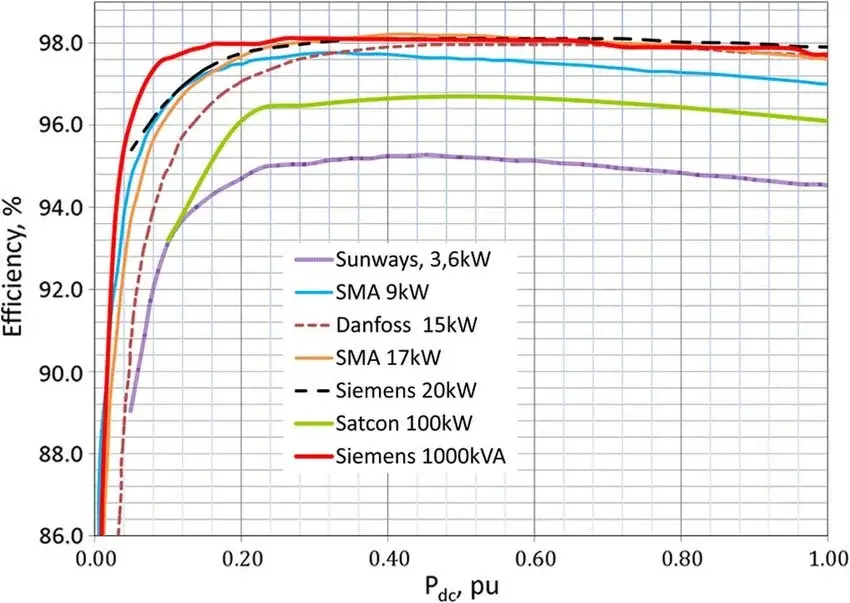
2. Efficacité et performances des onduleurs solaires
L'efficacité de l'onduleur détermine directement la quantité d'énergie solaire fournie au système électrique.
Les indicateurs de performance importants sont les suivants :
| Paramètres | Gamme de haute qualité |
|---|---|
| Efficacité de la conversion | 96% - 99% |
| Efficacité MPPT | ≥ 99% |
| Plage de tension d'entrée | Large compatibilité avec les systèmes photovoltaïques |
| Fonctions de protection | Surtension, court-circuit, surchauffe |
Les onduleurs à haut rendement peuvent augmenter de manière significative la production annuelle d'énergie, en particulier dans les régions où l'ensoleillement est variable.
3. Certifications et conformité internationale
Les onduleurs solaires doivent répondre à des normes strictes en matière de sécurité et de conformité au réseau.
Fiable fabricants d'onduleurs solaires s'assurer que leurs product sont testés et certifiés conformément aux réglementations internationales.
Les certifications les plus courantes sont les suivantes
- Certification CE pour les marchés européens
- Certification UL pour les normes de sécurité nord-américaines
- IEC 62109 norme de sécurité des onduleurs
- IEC 61727 exigences en matière de connexion au réseau
- ISO 9001 les systèmes de gestion de la qualité
La certification garantit que les onduleurs sont conformes la sécurité électrique, la compatibilité électromagnétique et les exigences en matière d'intégration au réseau.
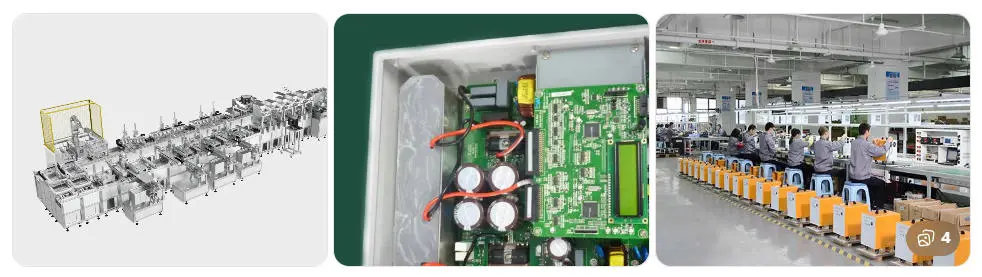
4. Qualité et fiabilité de la fabrication
Les onduleurs solaires fonctionnent en permanence dans des conditions environnementales difficiles telles que la chaleur, l'humidité et la poussière. La qualité de fabrication est donc essentielle.
Les usines d'onduleurs de haute qualité comprennent généralement les éléments suivants
- Lignes de production automatisées
- Approvisionnement strict en composants
- Conception de la gestion thermique
- Tests de résistance à l'environnement
- Essais de déverminage et de fiabilité
Ces processus permettent d'assurer une stabilité à long terme et de minimiser les taux de défaillance.
4
5. Surveillance intelligente et intégration des logiciels
Les systèmes d'énergie solaire modernes s'appuient fortement sur la surveillance numérique et la gestion de l'énergie.
Avancé fabricants d'onduleurs solaires fournir :
- Plateformes de surveillance basées sur l'informatique en nuage
- Applications mobiles pour le suivi des performances en temps réel
- Diagnostic à distance et mise à jour du micrologiciel
- Intégration avec systèmes de stockage par batterie
- Capacités de communication des réseaux intelligents
Ces technologies aident les opérateurs de systèmes à optimiser la production d'énergie et à détecter rapidement les problèmes.
6. Garantie et assistance après-vente
La couverture de la garantie est l'un des facteurs les plus importants lors de l'évaluation d'un fournisseur d'onduleurs solaires.
La plupart des fabricants réputés proposent une assurance :
- Garantie standard de 5 à 10 ans
- Programmes d'extension de garantie en option
- Disponibilité des pièces détachées
- Services d'assistance technique
- Centres de services régionaux
Un service après-vente efficace permet de réduire considérablement les temps d'arrêt du système et les coûts de maintenance.
7. Expérience dans l'industrie et références de projets
L'expérience dans la fabrication d'électronique de puissance est un bon indicateur de fiabilité.
Lors du choix d'un fabricant d'onduleurs solaires, évaluer :
- Des années d'expérience dans l'industrie
- Capacité installée mondiale
- Partenariats avec les entrepreneurs EPC
- Témoignages de clients et études de cas de projets
Les fabricants qui disposent d'un vaste portefeuille de projets sont plus susceptibles de fournir des solutions d'onduleurs stables et éprouvées.
Comment les entrepreneurs EPC évaluent les fabricants d'onduleurs solaires
Pour les projets solaires à grande échelle, les sociétés EPC évaluent souvent les fabricants sur la base de critères supplémentaires.
Il s'agit notamment de
- Capacité de production et stabilité de la chaîne d'approvisionnement
- Documentation technique et assistance technique
- Conformité à de multiples normes internationales en matière de réseaux
- Compatibilité avec les grandes installations photovoltaïques et les systèmes de stockage d'énergie
- Capacités de conception d'onduleurs personnalisés
Travailler avec un professionnel Fabricant d'onduleurs solaires OEM peut offrir une plus grande flexibilité pour les projets de grande envergure.
Tendances du marché des onduleurs solaires
Le marché mondial des onduleurs solaires continue de croître rapidement à mesure que l'adoption des énergies renouvelables s'accélère.
Les rapports de l'Agence internationale de l'énergie sur l'industrie mettent en évidence plusieurs grandes tendances :
- Expansion rapide des installations solaires photovoltaïques dans le monde
- Adoption accrue de onduleurs hybrides avec stockage en batterie
- Croissance des technologies d'intégration des réseaux intelligents
- Amélioration continue de l'efficacité des onduleurs
- Surveillance numérique et gestion de l'énergie basée sur l'IA
Les fabricants investissent dans technologie énergétique intelligente et systèmes d'onduleurs hybrides devraient être à l'origine de la prochaine génération d'innovations dans le domaine de l'énergie solaire.
Fabricants d'onduleurs solaires leaders ou bon marché
| Facteur | Principaux fabricants | Fournisseurs à bas prix |
|---|---|---|
| Efficacité | Jusqu'à 99% | Efficacité moindre |
| Fiabilité | Longue durée de vie | Risque d'échec plus élevé |
| Certification | Normes internationales complètes | Certification limitée |
| Garantie | 5-15 ans | 1-3 ans |
| Contrôle | Plates-formes numériques avancées | Surveillance de base |
Bien que les onduleurs à bas prix puissent réduire l'investissement initial, ils conduisent souvent à une augmentation de la consommation d'énergie. coûts de maintenance plus élevés et réduction de la production énergétique au fil du temps.
Comment choisir le meilleur fabricant de convertisseurs solaires
Avant de choisir un fournisseur, les développeurs de projets solaires doivent suivre plusieurs étapes d'évaluation.
- Comparer les onduleurs efficacite et caracteristiques techniques
- Vérifier l'internationalité certifications et normes de conformité
- Révision politiques de garantie et service après-vente
- Évaluer les informations fournies par le fabricant Capacité et expérience en matière de production
- Demande la documentation technique et les rapports d'essai
- Assurer la compatibilité avec panneaux solaires et systèmes de batteries
Travailler avec un fabricant d'onduleurs solaires ou fournisseur OEM peut contribuer à garantir des performances fiables et la stabilité à long terme du système.
FAQ
Choisissez un fabricant disposant de solides capacités de R&D, de certifications internationales, d'une efficacité prouvée en matière de product et d'un service après-vente fiable. Choisissez un fabricant disposant de solides capacités de R&D, de certifications internationales, d'une efficacité product avérée et d'un service après-vente fiable. L'examen des références du projet et des conditions de garantie peut également contribuer à garantir la qualité de product.
La plupart des onduleurs solaires ont une durée de vie de 10-15 ans, selon la qualité du product et les conditions d'utilisation. Les fabricants de produits haut de gamme offrent souvent des garanties étendues allant jusqu'à 20 ans.
Les onduleurs hybrides offrent une flexibilité supplémentaire en intégrant systèmes de stockage par batterie, L'énergie solaire peut ainsi être stockée en vue d'une utilisation nocturne ou d'une panne de courant.
Conclusion
Choisir le bon fabricant d'onduleurs solaires est une étape essentielle pour garantir la performance et la fiabilité à long terme d'un système d'énergie solaire.
En évaluant soigneusement expertise technique, efficacité product, certifications, qualité de fabrication, capacités de contrôle et support après-vente, Les acheteurs peuvent identifier des fournisseurs d'onduleurs fiables pour les projets résidentiels, commerciaux et à grande échelle.
Alors que l'adoption de l'énergie solaire continue de croître dans le monde entier, les fabricants qui combinent Technologie d'onduleur avancée avec une ingénierie et une assurance qualité solides joueront un rôle clé dans l'avenir des systèmes d'énergie renouvelable.