




One of the most critical appliances found in every home is a refrigerator. This appliance is mostly connected to a backup power supply such as a solar panel, a battery bank, or a portable power station. While designing a backup or off-grid power supply solution, many people ask themselves this common question:
Does a refrigerator require a pure sine wave inverter, or can it be operated on a modified sine wave inverter?
This answer depends on how a refrigerator consumes electrical power and how it affects a pure sine wave or a modified sine wave inverter. Selecting an appropriate type of inverter for a refrigerator can greatly enhance its operating efficiency and reduce possible start-up issues or electrical stresses.
This article will discuss the different types of inverters, how a refrigerator’s compressor starts up, and how to select an appropriate pure sine wave inverter for a refrigerator.
This guide explains the differences between inverter types, how refrigerator compressors behave during startup, and how to choose the best pure sine wave inverter for a fridge.
Pure Sine Wave vs Modified Sine Wave Inverter for Refrigerators
An inverter converts direct current (DC) from batteries or solar panels into courant alternatif (CA) used by household appliances. The quality of this AC power depends on the waveform generated by the inverter.
The two most common inverter types are pure sine wave inverters et modified sine wave inverters.
What Is a Pure Sine Wave Inverter?
A pure sine wave inverter produces a smooth electrical waveform that is almost identical to the electricity supplied by the utility grid.
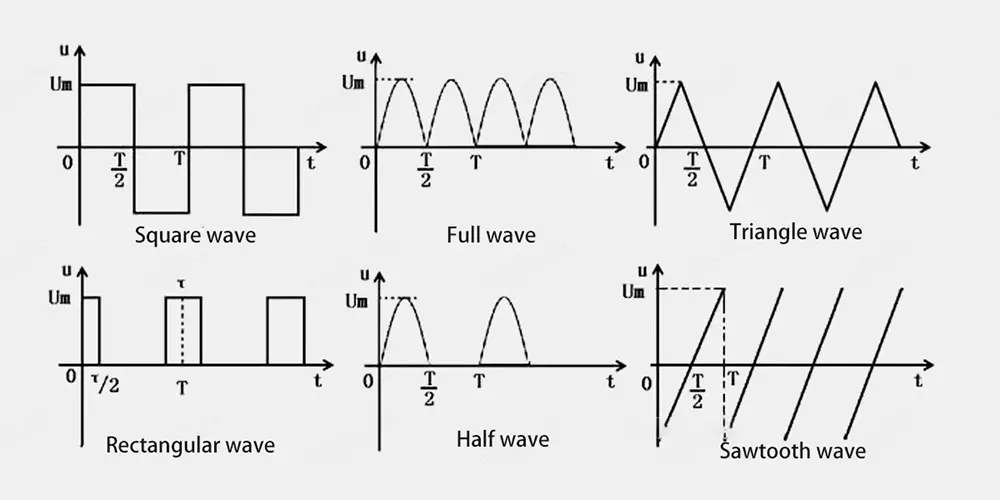
This clean waveform ensures that appliances operate exactly as they would when connected to normal household power.
Key benefits include:
- Smooth motor operation
- Lower electrical noise
- Higher energy efficiency
- Réduction de la production de chaleur
- Better compatibility with modern appliances
Because refrigerators use compressor motors, they perform best when powered by a stable sine wave output.
Pure sine wave inverters are commonly used in:
- Solar power systems
- Home battery backup systems
- Off-grid energy installations
- RV and mobile power setups
- Sensitive electronics and medical equipment
What Is a Modified Sine Wave Inverter?
A modified sine wave inverter generates a stepped waveform that approximates a sine wave but contains abrupt voltage transitions.
【img】
alt: Modified sine wave inverter stepped waveform compared with pure sine wave
These inverters are typically less expensive and are often used for simple electrical loads such as:
- Basic lighting
- Heating devices
- Simple power tools
- Older appliances with resistive loads
However, the waveform distortion can cause problems when powering motor-driven equipment, including refrigerators.
How Much Power Does a Refrigerator Need From an Inverter?
Before selecting an inverter, it is important to understand the power consumption characteristics of refrigerators.
Most household refrigerators use a compressor motor to circulate refrigerant through the cooling system. This motor behaves differently during startup and normal operation.
Typical refrigerator electrical characteristics:
| Paramètres | Gamme typique |
|---|---|
| Running power | 100 – 250 W |
| Startup surge power | 600 – 1500 W |
| Tension | 110V / 220V AC |
| Load type | Inductive motor load |
The most critical factor when selecting an inverter for a refrigerator is the startup surge power, which occurs when the compressor starts.
Refrigerator Compressor Startup Current and Inverter Requirements
When a refrigerator compressor starts, it requires a high surge current known as Locked Rotor Amps (LRA).
During this brief startup moment, the power demand can be 3–7 times higher than the normal running power.
Par exemple :
| Condition | Power Requirement |
|---|---|
| Running power | 150 W |
| Startup surge | 900 – 1200 W |
If the inverter cannot supply this surge power, several issues may occur:
- The compressor fails to start
- The inverter enters overload protection
- The compressor repeatedly attempts startup
- System efficiency drops significantly
Because of this, inverter manufacturers often recommend choosing an inverter rated at at least 4–6 times the refrigerator’s running power.
For most refrigerators, a 1000W to 1500W pure sine wave inverter provides a safe margin for startup.
Can a Refrigerator Run on a Modified Sine Wave Inverter?
In practice, some refrigerators can run on a modified sine wave inverter, but it is usually not recommended for long-term use.
Technicians and off-grid installers frequently report several issues when refrigerators operate on modified sine wave power.
Reduced Energy Efficiency
Motors powered by a distorted waveform tend to draw higher current than when powered by a pure sine wave.
This increases energy consumption and drains batteries faster in solar systems.
Compressor Overheating
Modified sine wave power can cause the compressor motor windings to generate additional heat. Over time, this extra heat may reduce the lifespan of the compressor.
Audible Noise and Vibration
Many users notice a buzzing or humming sound when refrigerators run on modified sine wave inverters. This occurs because the stepped waveform introduces electrical harmonics that cause motor vibration.
Startup Problems
Some refrigerators—especially modern energy-efficient models—may fail to start when powered by modified sine wave inverters.
This is particularly common in refrigerators that use variable-speed inverter compressors.
Why a Pure Sine Wave Inverter Is Best for a Refrigerator
For reliable refrigerator operation, most experts recommend using a pure sine wave inverter.
Several technical reasons explain why.
Smooth Compressor Motor Operation
A pure sine wave inverter delivers a waveform that matches the utility grid, allowing the compressor motor to operate smoothly without electrical distortion.
Higher System Efficiency
Clean sine wave power allows appliances to operate at their designed efficiency levels, reducing overall energy consumption.
This is especially important in solar and battery systems, where every watt matters.
Longer Refrigerator Lifespan
By eliminating waveform distortion and electrical stress, pure sine wave inverters help reduce overheating and wear on the compressor motor.
Compatibility With Modern Refrigerators
Many new refrigerators include:
- Digital control boards
- Smart sensors
- Inverter compressor technology
- Touchscreen displays
These electronic components require stable, high-quality AC power, which pure sine wave inverters provide.
Types of Refrigerators and Inverter Compatibility
Not all refrigerators respond the same way to inverter power.
The required inverter type often depends on the compressor technology used in the refrigerator.
Conventional Compressor Refrigerators
Older refrigerators with traditional compressors may run on modified sine wave power, though performance may be reduced.
For optimal efficiency, pure sine wave power is still preferred.
Inverter Compressor Refrigerators
Modern energy-efficient refrigerators often use variable-speed inverter compressors.
These systems rely on electronic control circuits to adjust compressor speed.
Because of this, they require stable pure sine wave power to operate correctly.
Smart Refrigerators
Smart refrigerators with Wi-Fi connectivity, touch panels, and digital control systems are more sensitive to power quality.
Using a pure sine wave inverter ensures reliable operation and protects internal electronics.
How to Choose the Right Pure Sine Wave Inverter for a Refrigerator
When selecting an inverter for refrigerator backup power, several key factors should be considered.
1. Inverter Power Rating
Always select an inverter capable of handling the compressor startup surge.
Example calculation:
| Refrigerator Running Power | Startup Surge | Recommended Inverter |
|---|---|---|
| 150 W | 900 W | 1000 – 1500 W |
Choosing a slightly larger inverter improves reliability.
2. Battery Capacity
Battery size determines how long the refrigerator can operate during a power outage.
Exemple :
- Refrigerator power: 150 W
- Battery: 12V 100Ah
Estimated runtime:
6–8 hours depending on compressor duty cycle.
3. Inverter Efficiency
High-quality pure sine wave inverters typically achieve 90–95% conversion efficiency.
Higher efficiency means:
- Less energy loss
- Longer battery runtime
- Lower system heat
4. Protection Features
A reliable inverter should include multiple safety protections:
- Protection contre les surcharges
- Over-temperature shutdown
- Protection contre les courts-circuits
- Low-voltage battery protection
These features help prevent damage to both the inverter and the refrigerator.
Pure Sine Wave vs Modified Sine Wave: Quick Comparison
| Fonctionnalité | Onde sinusoïdale pure | Modified Sine Wave |
|---|---|---|
| Waveform quality | Smooth | Stepped |
| Appliance compatibility | Excellent | Limitée |
| Motor efficiency | Élevée | Plus bas |
| Production de chaleur | Faible | Plus élevé |
| Niveau sonore | Quiet | May produce humming |
| Coût | Plus élevé | Plus bas |
| Recommended for refrigerators | Oui | Not ideal |
Choosing a Reliable Pure Sine Wave Inverter Manufacturer
If you plan to power refrigerators or other motor-driven appliances from a solar or battery system, inverter quality is extremely important.
A reliable pure sine wave inverter manufacturer should provide:
- Stable sine wave output (THD < 3%)
- High surge capacity for compressor startup
- High conversion efficiency
- Durable components for long service life
- Multiple protection features for system safety
High-quality pure sine wave inverters are widely used in applications such as:
- Solar energy storage systems
- Residential backup power systems
- Off-grid homes and cabins
- RV and mobile power solutions
- Remote refrigeration systems
Choosing a well-designed inverter ensures stable refrigerator performance and protects both the appliance and the power system.
FAQ
Most refrigerators require a 1000W–1500W pure sine wave inverter to handle compressor startup surge.
It usually will not cause immediate damage, but long-term use may lead to compressor overheating, reduced efficiency, and possible motor wear.
Most refrigerators consume 100–250 watts during normal operation, but startup surge can reach 600–1500 watts.
In most cases, 500W is not sufficient because it cannot handle the compressor startup surge.
Yes. Refrigerators with inverter compressors and digital control boards require stable pure sine wave power.
Conclusion
While some refrigerators may operate on modified sine wave inverters, pure sine wave inverters provide far better compatibility, efficiency, and reliability.
Because refrigerators rely on compressor motors that require high startup power and stable electrical input, a pure sine wave inverter ensures:
- Smooth compressor operation
- Lower energy consumption
- Reduced electrical stress
- Longer appliance lifespan
For solar power systems, battery backup installations, or off-grid homes, selecting the right pure sine wave inverter for a refrigerator is one of the most important steps in building a reliable energy system.
 FR
FR  EN
EN  ES
ES  PT
PT  IT
IT  RU
RU  AR
AR