




Understanding Voltage Stabilizer Capacity – kVA & kW
What Does Voltage Stabilizer Capacity Mean?
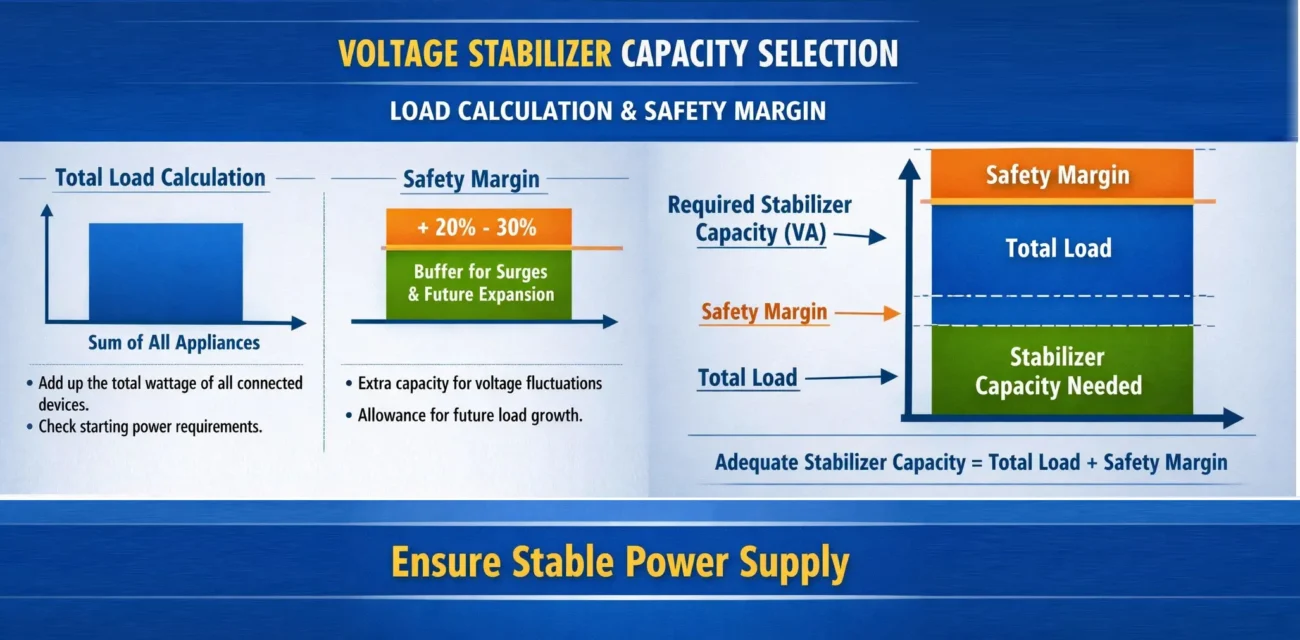
The capacity of a voltage stabilizer relates to the maximum apparent power that it can handle when in consistent operation.
It is usually measured in kVA units rather than kW units.
kVA(Apparent Power)= (Voltage * Current ) / 1000
kW Active Power = kVA × Power Factor (PF) Since voltage stabilizers are concerned with the supply of real as well as reactive power, the correct basis is kVA. Apparent power is mainly used in the IEEE / IEC system mode used in electrical engineering globally.
Why kVA matters more than kW
The majority of electrical loads feature reactive components, including:
- Motors
- Air conditioners
- Pumps
- CNC machines
- Welding Appliances
These inductive loads draw extra current even when true power consumption remains the same.
- If a stabilizer is sized according to kW only:
- Internal components may overheat.
- The voltage regulation becomes unstable.
This diminishes the life span of equipment. Because of this, the capacity of a stabilizer should always be calculated in kVA and never in kW.
Step-by-Step Method to Calculate Voltage Stabilizer Capacity
Step 1: List All Connected Loads
Begin by listing all equipment powered by the stabilizer:
| Equipment | Rated Power (kW) | Quantity |
|---|---|---|
| Air Conditioner | 2.0 | 2 |
| Motors | 1.5 | 1 |
| Lighting | 0.8 | 1 |
Total power = 6.3 kW
Step 2: Consider Power Factor (PF)
Most household and industrial equipment operates with a power factor between 0.8 and 0.9.
Formula:
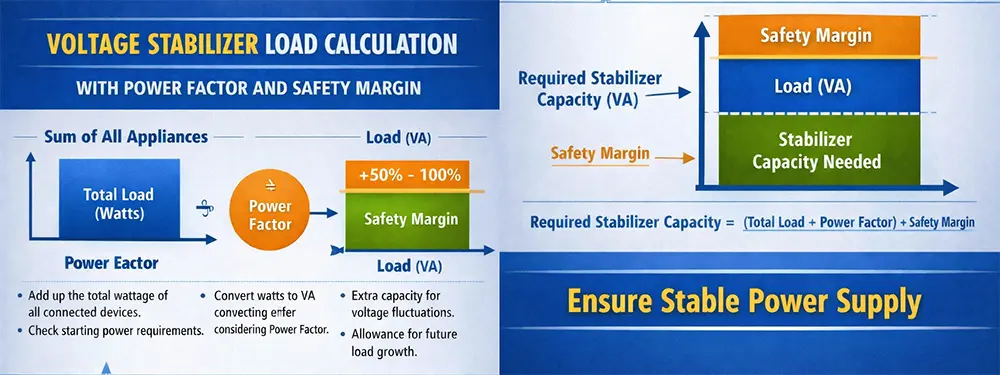
Required kVA = Total kW ÷ Power Factor
Example:
6.3 kW ÷ 0.8 = 7.875 kVA
Step 3: Add a Safety Margin (Critical)
It should be noted that in any real-world installation, the loads will typically not be perfectly
A safety margin of 50–100% is suggested to account for:
Motor starting current
Voltage fluctuations
Temporary overload conditions
Future equipment expansion:
7.875 kVA × 1.5 ≈ 11.8 kVA
Recommended stabilizer size: 15 kVA
Application-Based Voltage Stabilizer Capacity Selection
Home Voltage Stabilizers
Typical household appliances include:
- Refrigerators
- Air conditioners
- TVs and computers
- Washing machines
Recommended approach:
Single-phase stabilizer
Additional margin for compressor-based appliances
| Home Size | Suggested Capacity |
|---|---|
| Small apartment | 5–10 kVA |
| Medium home | 10–15 kVA |
| Large villa | 20 kVA or higher |
Industrial Voltage Stabilizers
Industrial environments often involve:
- Induction motors
- CNC equipment
- Welding machines
- Continuous production lines
Key considerations:
High inrush current (typically 3–6× rated current)
Continuous duty operation
Unstable or fluctuating grid conditions
General industrial guideline:
Stabilizer capacity ≥ 2 × total connected load
(for standard inductive loads under normal starting conditions)
Servo vs Relay Stabilizer Capacity Differences
Servo stabilizers have a high tolerance to voltage and overload and are often used in industries and applications where precision is required
Relay stabilizers are more economical in nature but have limitations in handling frequent load changes and inrush currents.
In practical fields, servo-type stabilizers are widely used and found effective in providing stability even under fluctuating load conditions.
Market Trends and Industry Background
With the rapid development of:
- Renewable energy systems
- SMART manufacturing
- Data Centers
- Power grids in developing regions
the demand for correctly dimensioned voltage stabilizers has increased considerably.
Field data shows consistently that one of the major causes for stabilizer failure is improper capacity selection, particularly in areas where the power supply is not stable. Properly sized kVA is also essential to optimize energy efficiency, reduce electrical losses, and extend the lifespan of the equipment.
Technical Parameters to Check Beyond Capacity
The selection of voltage stabilizer cannot solely depend on capacity.
Some key technical parameters to verify include:
- Input voltage range such as: 140–260V, 304–456V
- Accuracy of output voltage: ±1%, ±3%, ±10%
- Response time
- Overload and short-circuit protection
- Cooling type (air-cooled or oil-cooled)
- Duty cycle (continuous or intermittent)
Common Mistakes When Choosing Stabilizer Capacity
❌ Ignoring motor starting current
❌ Using kW in place of kVA
❌ No Leeway for Future Growth
❌ Supplying sensitive electronics and heavy equipment with the same power supply/Stabilizer
In real applications, such errors can cause consequences in the form of volt drop during peak loads, abnormal internal heat levels, and reduced life of the stabilizer itself.
Why Manufacturer Experience Matters in Stabilizer Capacity Selection
Since the professional voltage stabilizer supplier, ZHENGXI, which has decades of experience in product designing and manufacturing, noticed after years of practice, a great amount of failure cases of the product were not due to the quality of the product itself, but the inappropriate selection of the capacity during the designing stage.
In factories, commercial buildings, and other overseas installation locations, the most common issues faced are:
- Stabilizers operating continuously at or near full load.
- Underrated kVA capacity of the motor-driving equipment
- Failure to consider starting currents and severity of grid fluctuation
Such issues may lead to protection trips, excessive overheating, and premature failure even for high quality components.
Based on long experience and practical feedback in manufacturing, a well-designed voltage stabilizer should have the following:
- True kVA ratings verified for continuous full load conditions
- Heavy-duty copper wiring with thermal stability
- Integrated Thermal Overload, Overload, and Electronic Protection Devices
- Design principles consistent with IEC and CE electical standards
Ensuring that the capacities are properly sized, as a manufacturer, is an essential need to guarantee reliable long-run operation.
Practical Buying and Selection Tips
Before you buy a voltage stabilizer, make sure the following items apply:
✔ Total load calculated in kVA
✔ Power factor assumptions
✔ Load type (Resistive/Inductive load)
✔ Severity of Voltage Fluctuation
✔ Installation environment (indoor or outdoor) “If in doubt, choosing the next capacity up is always safest.” A stabilzer must not operate continously on 100% rated load.
FAQ
Q1: Is it possible to use a higher capacity voltage stabilizer than necessary?
Yes. A slightly higher capacity helps ensure future reliability and room for growth.
Q2: What happens if the AVR stabilizer capacity is too small?
An undersized stabilizer’s frequent tripping can cause overheating and improper control of the voltages supplied to the equipment.
Q3: How do you choose the capacity of the stabilizers for the motor loads?
Calculate the running kVA and multiply by 1.5-2 for the starting current supply, particularly for induction motors.
Q4: Can a single stabilizer support CNC machines as well as office equipment?
It is not recommended. Ind丸ive loaRsimization -size-raman-ertainlyand sens trìtive elecronic deveices have to be powered through separate
Conclusion
Determining the proper voltage regulator or voltage stabilizer size is not just about technical arithmetic, it is more of a long-term strategy.
By correctly evaluating:
- kVA rather than kW
- Power Factor and Characteristics of Loading
- Motor starting current
- Appropriate Safety Margins
- users avoid common capacity selection pitfalls and enjoy consistent and dependable voltage regulation.
For complex applications or mixed loads, working with a veteran voltage stabilizer factory like ZHENGXI can guarantee the precise measurement, technical matching, and long-term reliability of a product, especially in areas with poor power supply stability.
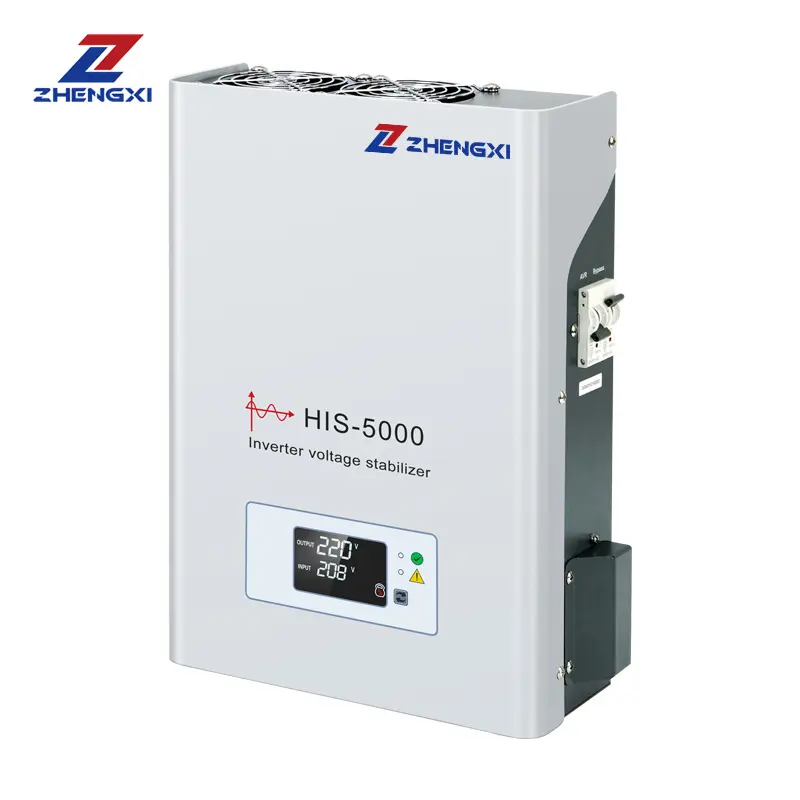
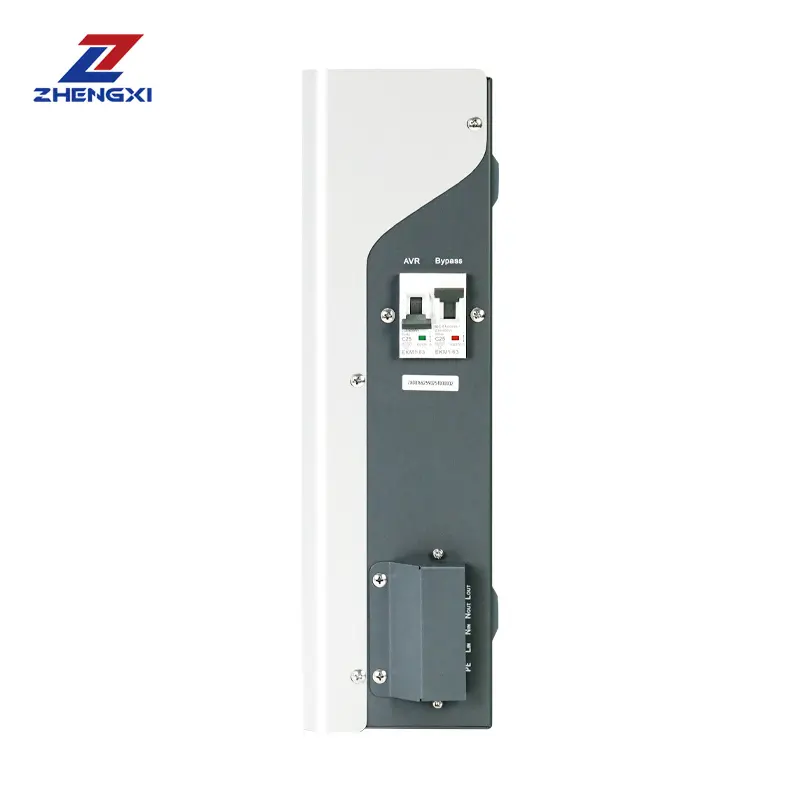
Single Phase IGBT Pure Sine Wave Inverter Voltage Regulator Stabilizer
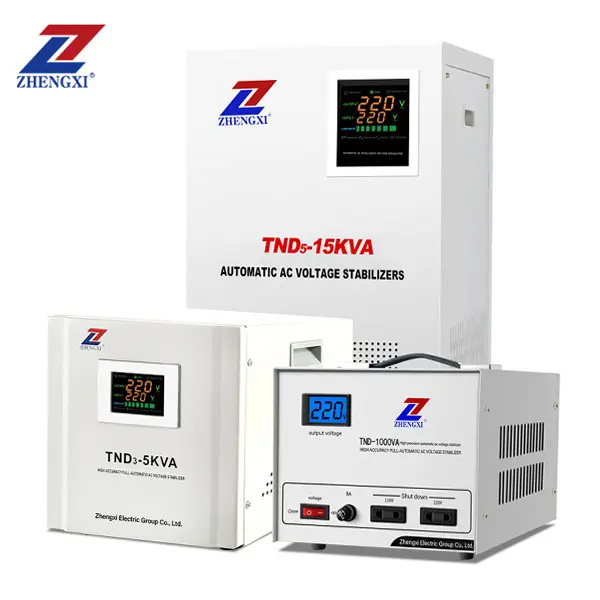
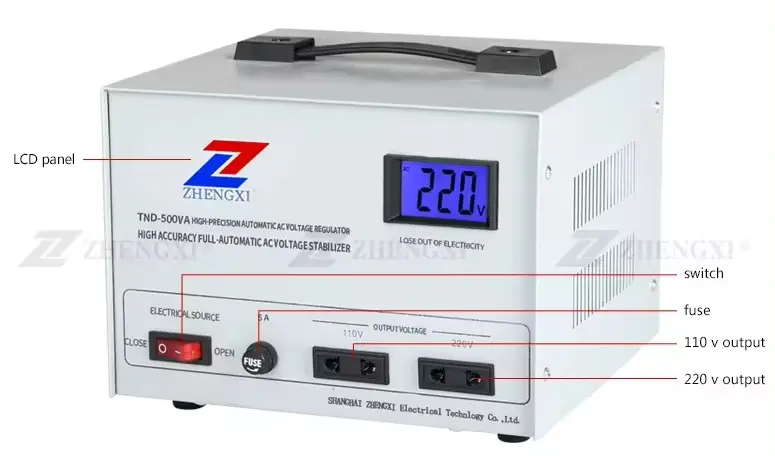
20KVA Single-Phase Full Automatic AC Voltage Stabilizer AVR For Refrigerator
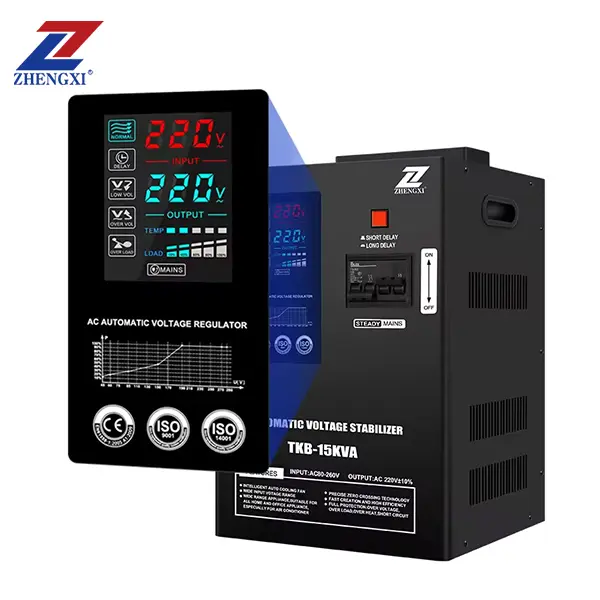
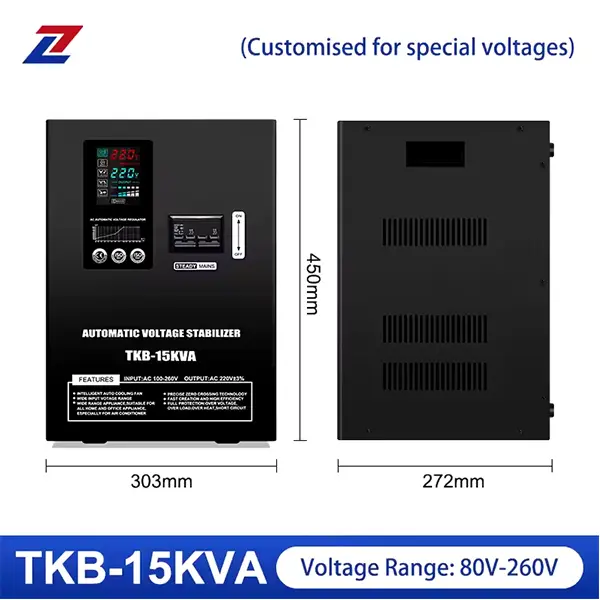
30KVA Automatic Voltage Regulator for Home & Office Use


Customized Single Phase Wall Mounted 0.5kVA-10kVA Automatic Voltage Stabilizer
The Customized Single Phase Wall Mounted Automatic Voltage Stabilizer is designed to provide reliable voltage regulation and protection for household and commercial electrical appliances. With a power range from 3.5kVA to 10kVA, this wall-mounted stabilizer ensures steady, safe, and efficient power delivery, even in areas with unstable or fluctuating mains voltage.
Built with advanced relay or servo motor control technology, it maintains a constant 220V output by automatically correcting under-voltage or over-voltage conditions. Compact, quiet, and efficient, it’s ideal for homes, offices, and small businesses seeking dependable voltage protection in a sleek wall-mounted design.