




Table of Contents
Hide
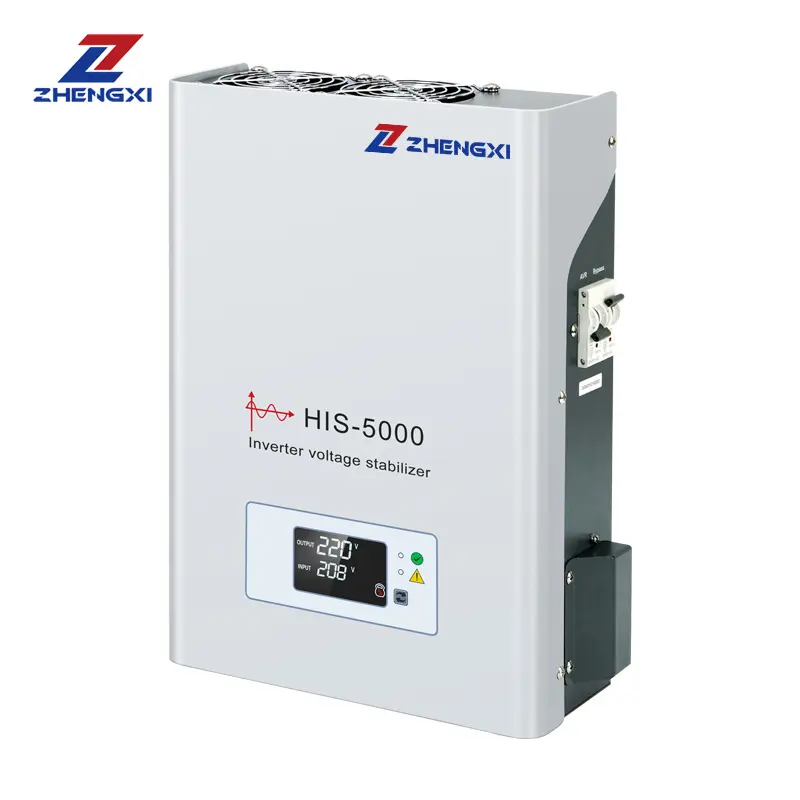
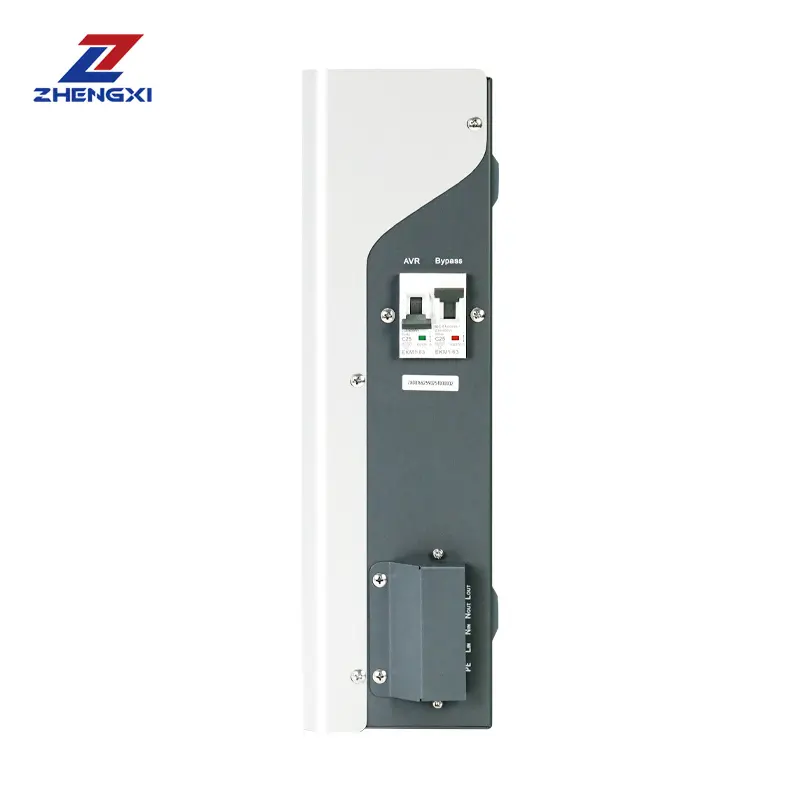
Single Phase IGBT Pure Sine Wave Inverter Voltage Regulator Stabilizer
A stable voltage is essential to ensure the proper functioning of various electrical and electronic devices.
This Single Phase IGBT Pure Sine Wave Inverter Voltage Regulator Stabilizer is specifically engineered to provide higher precision voltage regulation, fast response, and low harmonic distortion, especially in situations where conventional servo or relay voltage stabilizers fail to perform adequately.
With the adoption of IGBT-based inverter regulation technology, this single-phase stabilizer ensures a clean and stable AC output even during harsh conditions associated with intense grid fluctuations, making it an ideal stabilizer for sensitive loads.
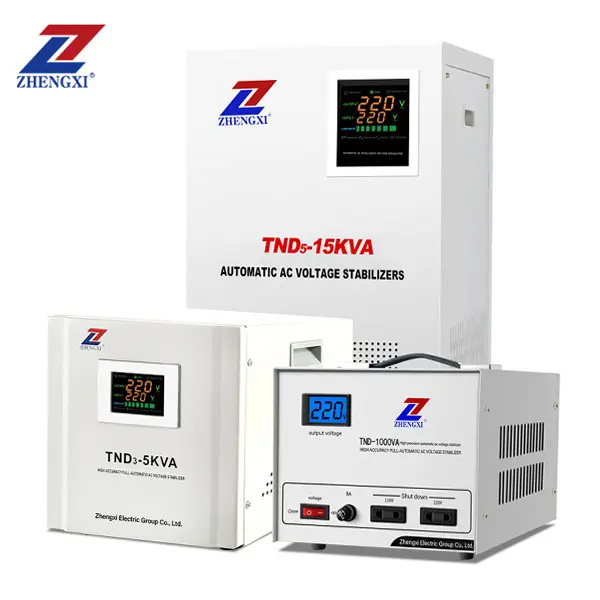
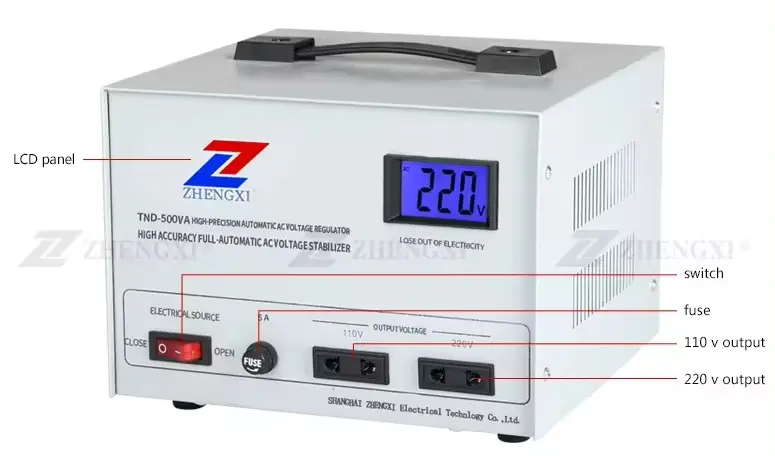
20KVA Single-Phase Full Automatic AC Voltage Stabilizer AVR For Refrigerator
If your home or business suffers from frequent voltage drops or spikes, your electrical appliances—especially refrigerators—are at risk. The 20KVA Single-Phase Full Automatic AC Voltage Stabilizer is designed to deliver stable, clean voltage to protect refrigerators, freezers, air conditioners, and other sensitive electronics.
Built with a servo motor control system, this AVR offers high accuracy, fast correction, and reliable performance—ideal for residential homes, commercial kitchens, supermarkets, and cold storage environments.
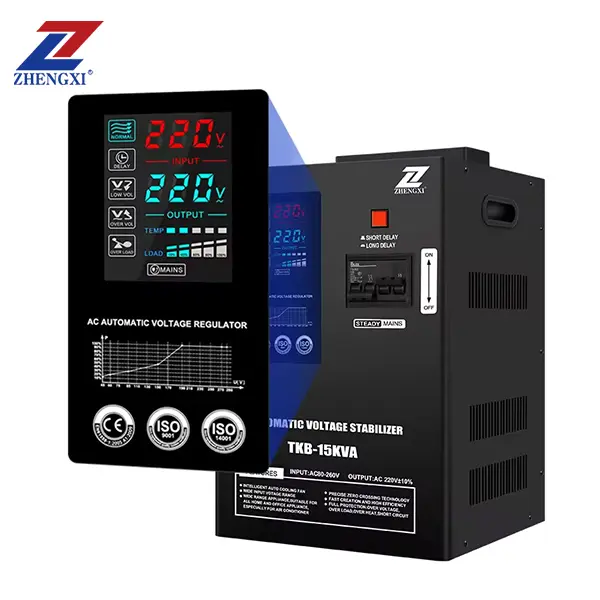
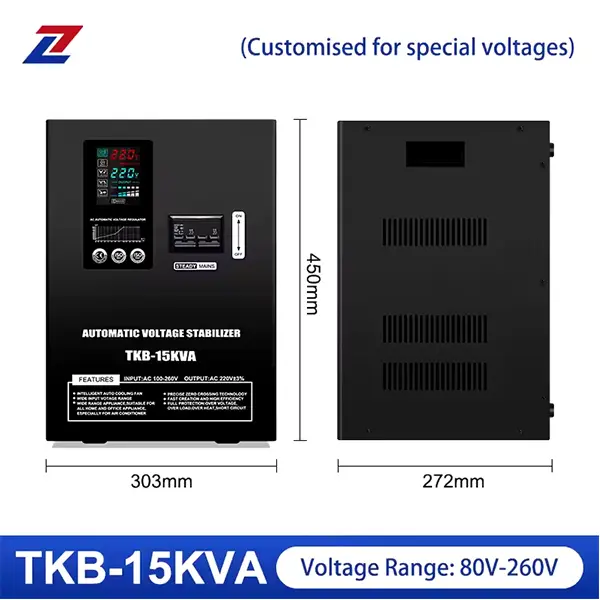
30KVA Automatic Voltage Regulator for Home & Office Use
Type: Vertical typer, Wall-mounted
Available ranges: AC 45–260Vr, 80–260V, 100–260V, 140–260V (Custom voltage is supported)
The 30KVA Automatic Voltage Regulator (AVR) is specially designed for residential homes, commercial offices, shops, and light industrial use where stable power is important for electrical appliances, computers, lighting and communication equipment. With wide input voltage options and a compact design, this model helps protect devices against unstable grid power, voltage drops, and unexpected surges.
This home stabilizer uses relay control technology, digital monitoring, and multiple built-in protections, making it a reliable and cost-effective solution for long-term voltage regulation.


Customized Single Phase Wall Mounted 0.5kVA-10kVA Automatic Voltage Stabilizer
The Customized Single Phase Wall Mounted Automatic Voltage Stabilizer is designed to provide reliable voltage regulation and protection for household and commercial electrical appliances. With a power range from 3.5kVA to 10kVA, this wall-mounted stabilizer ensures steady, safe, and efficient power delivery, even in areas with unstable or fluctuating mains voltage.
Built with advanced relay or servo motor control technology, it maintains a constant 220V output by automatically correcting under-voltage or over-voltage conditions. Compact, quiet, and efficient, it’s ideal for homes, offices, and small businesses seeking dependable voltage protection in a sleek wall-mounted design.
 EN
EN  FR
FR  ES
ES  PT
PT  IT
IT  RU
RU  AR
AR  FA
FA