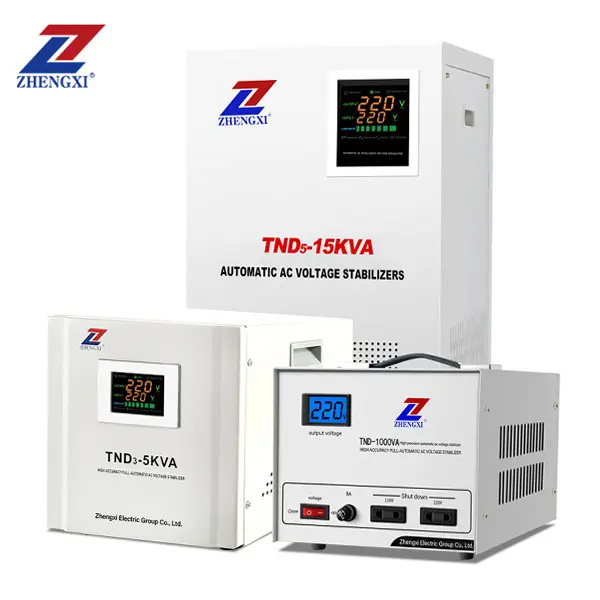
A stable voltage is essential to ensure the proper functioning of various electrical and electronic devices.
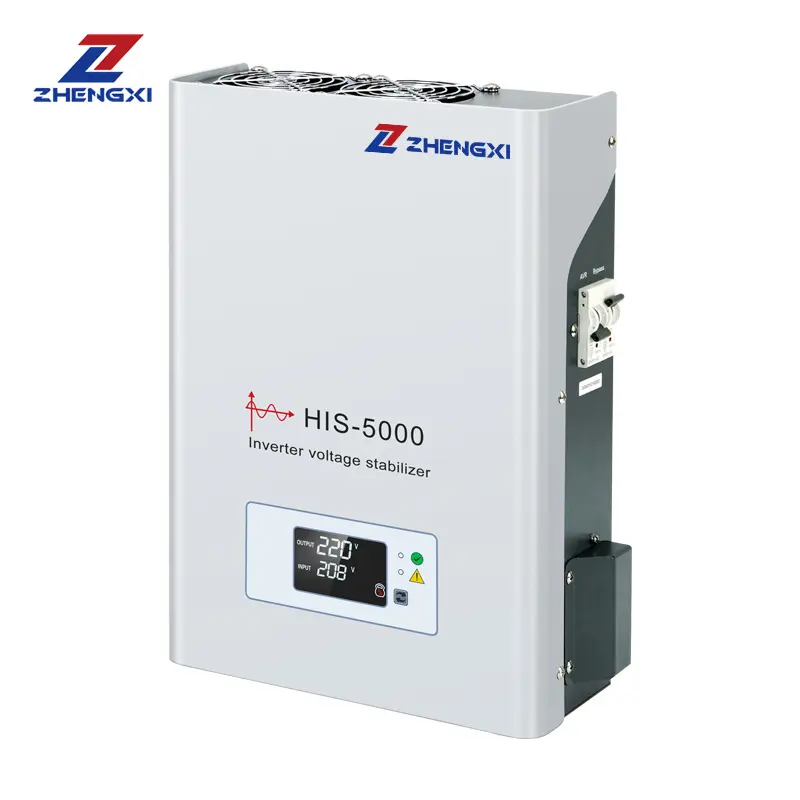
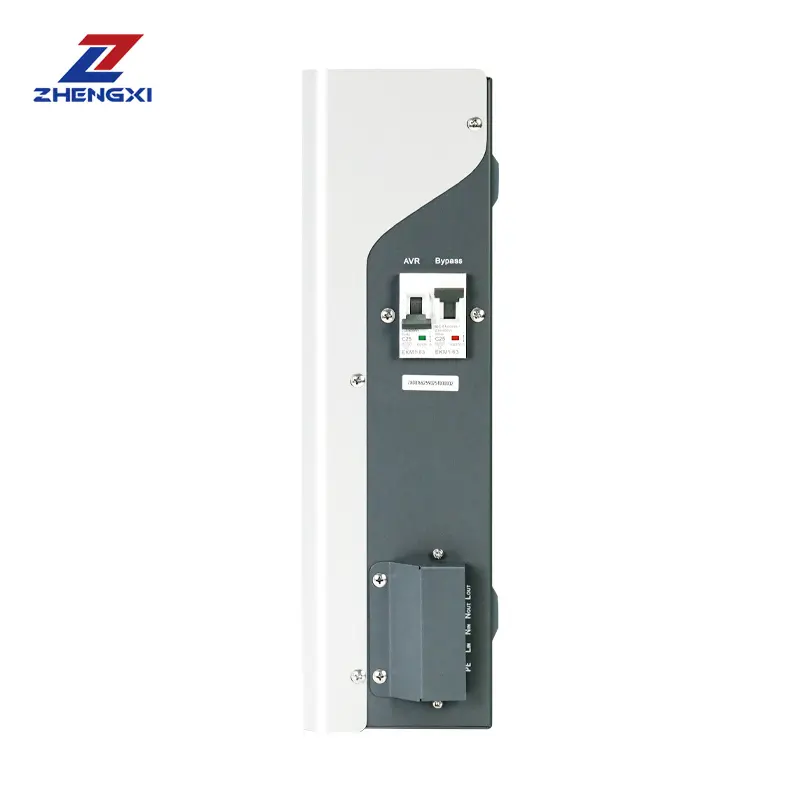
This Single Phase IGBT Pure Sine Wave Inverter Voltage Regulator Stabilizer is specifically engineered to provide higher precision voltage regulation, fast response, and low harmonic distortion, especially in situations where conventional servo or relay voltage stabilizers fail to perform adequately.
With the adoption of IGBT-based inverter regulation technology, this single-phase stabilizer ensures a clean and stable AC output even during harsh conditions associated with intense grid fluctuations, making it an ideal stabilizer for sensitive loads.
In modern industrial power systems, voltage stability is a fundamental requirement rather than an optional feature. Unstable three-phase voltage can directly lead to equipment shutdowns, control system faults, motor overheating, and long-term damage to mechanical machinery.
The SBW Industrial Outdoor 100KVA 3 Phase Servo Automatic Voltage Stabilizer, manufactured by ZHENGXI, is specifically designed to provide precise and reliable voltage regulation for heavy-duty mechanical equipment operating in unstable or fluctuating grid environments. With servo motor control technology and a rugged outdoor structure, this three phase stabilizer ensures continuous, safe, and efficient industrial operation.
ZBW 10Kva-4000Kva 3 phase igbt static automatic voltage stabilizer for High-Precision Machines
Voltage stability in modern industrial setups is no longer a luxury but an imperative requirement for precision, efficiency, and longevity. The ZBW Series 3 Phase IGBT Static Automatic Voltage Stabilizer, with capacities ranging from 10kVA to 4000kVA, manufactured by ZHENGXI, is specifically designed for precise, accurate, and distortion-free voltage regulation for high-precision machines when dealing with unstable power conditions.
The ZBW Stabilizer, which uses cutting-edge technology in IGBT Static Control, will provide a stable output voltage even when there are significant fluctuations in the input power, making this a very reliable and efficient device especially for industries with minimal shutdown times.
If your home or business suffers from frequent voltage drops or spikes, your electrical appliances—especially refrigerators—are at risk. The 20KVA Single-Phase Full Automatic AC Voltage Stabilizer is designed to deliver stable, clean voltage to protect refrigerators, freezers, air conditioners, and other sensitive electronics.
Built with a servo motor control system, this AVR offers high accuracy, fast correction, and reliable performance—ideal for residential homes, commercial kitchens, supermarkets, and cold storage environments.
I consent to the processing of personal data and agree with the user agreement and privacy policy
Voltage fluctuations are a common problem in both residential and industrial power supplies. While they do not necessarily affect performance, they can eventually damage expensive equipment.
A voltage stabilizer is used to take care of this problem because it ensures that the output voltage is constant despite any fluctuations in the input voltage. In this article, we will take you through how voltage stabilizers work, the various types of voltage stabilizers available, and how to choose one.
What is a Voltage Stabilizer?
A voltage stabilizer is an electrical device that automatically maintains a stable output voltage by correcting fluctuations in the incoming power supply.
What It Actually Does:
Protects equipment from overvoltage and undervoltage
Keeps machines running consistently
Extends the lifespan of electrical devices
Reduces failure risks caused by unstable power
Why Voltage Stability Matters
Unstable voltage doesn’t always cause instant failure — but it slowly damages components like compressors, motors, and control boards.
Typical consequences include reduced efficiency, unexpected shutdowns, overheating, and higher long-term repair costs.
Why Does Voltage Fluctuation Happen?
Voltage fluctuation is usually caused by instability in the power supply system rather than the equipment itself.
Common Causes:
Overloaded power grids
Poor wiring or aging infrastructure
Sudden load changes (especially in factories)
Weather conditions like storms or lightning
Weak or rural power supply networks
What is Considered “Normal” Voltage?
Standard single-phase voltage: 220V–240V
Acceptable variation: typically within ±10%
Beyond this range, electrical equipment may not operate safely or efficiently.
How Does a Voltage Stabilizer Work?
A stabilizer continuously monitors incoming voltage and adjusts it in real time to maintain a consistent output.
Simple Working Logic:
Detect – senses input voltage
Correct – boosts low voltage or reduces high voltage
Deliver – outputs stable voltage (e.g. 220V / 230V)
Core Components:
Transformer (buck/boost function)
Control circuit (relay / servo / electronic)
Protection system
👉 From an engineering perspective, the real difference between stabilizers lies in how precisely and how fast this correction happens — which directly affects equipment safety.
Types of Voltage Stabilizers
Different use cases require different stabilizer technologies.
1. Relay Type Stabilizer
Cost-effective solution
Suitable for home appliances
Step-by-step voltage correction (not very smooth)
2. Servo Controlled Stabilizer
High precision output
Smooth voltage adjustment
Ideal for industrial equipment and sensitive loads
3. Static Voltage Stabilizer
Fastest response speed
No mechanical parts
Used in critical environments (medical, data centers)
Voltage Stabilizer vs Regulator vs UPS vs Inverter
Device
Main Function
Typical Use
Voltage Stabilizer
Stabilizes voltage
Appliances, industrial machines
Voltage Regulator
Circuit-level control
Electronics, internal systems
UPS
Backup + stabilization
Computers, servers
Inverter
Converts DC to AC
Backup power systems
👉 A stabilizer does not provide backup power — it only ensures voltage stays within a safe range.
Do You Really Need a Voltage Stabilizer?
Not every location requires a stabilizer — but in many cases, it’s a smart investment.
You likely need one if:
Voltage frequently drops or spikes
You use high-value equipment
You’re in rural or unstable grid areas
You operate machines with motors or compressors
Common Applications:
Air conditioners, refrigerators, washing machines, medical devices, CNC machines — all are sensitive to voltage fluctuations.
Voltage Stabilizer for Air Conditioners (AC Guide)
Air conditioners are one of the most voltage-sensitive appliances due to their compressor.
When is a Stabilizer Necessary?
Voltage regularly drops below 200V
Power supply is unstable or shared
Inverter vs Non-Inverter AC:
Inverter AC: has partial protection, but still benefits from stabilization
Non-inverter AC: strongly recommended to use a stabilizer
Recommended Capacity:
AC Size
Stabilizer Range
1 Ton
3–4 kVA
1.5 Ton
4–5 kVA
2 Ton
5–6 kVA
👉 In real projects, we usually recommend leaving at least 50–60% capacity margin to avoid overload during startup.
How to Choose the Right Voltage Stabilizer
Choosing the wrong stabilizer is a common issue — especially underestimating voltage range.
Key Selection Factors:
1. Load Capacity Calculate total connected load and add a safety margin
Proper installation affects both performance and safety.
Basic Tips:
Install close to the load or main distribution point
Ensure proper grounding
Avoid heat, dust, and humidity
Connection Notes:
For AC units: stabilizer must be installed before the appliance
Use correct cable sizing
Never overload beyond rated capacity
How to Fix Voltage Fluctuation at Home
A stabilizer is the most direct solution, but not the only one.
Practical Solutions:
Install a voltage stabilizer
Use UPS for sensitive electronics
Upgrade internal wiring if needed
Reduce load during peak hours
Voltage Stabilizer Specifications Explained
Understanding specs helps avoid wrong purchases.
Key Terms:
Input Voltage Range – acceptable incoming voltage
Output Voltage – stabilized output level
Working Range – full operational limits
kVA Rating – maximum load capacity
Common Problems & Troubleshooting
Typical Issues:
No output
Low output voltage
Frequent cut-offs
Overheating
Possible Causes:
Overload
Internal component failure
Input voltage outside working range
FAQs About Voltage Stabilizers
Does a stabilizer consume electricity? Yes, but consumption is minimal compared to the protection it provides.
Can it reduce high voltage? Yes — it both reduces high voltage and boosts low voltage.
Will it increase electricity bills? Not significantly.
Can voltage fluctuation damage appliances? Yes, especially motors and compressors.
How long does it last? Typically 5–10 years depending on design and usage conditions.
Conclusion
A voltage stabilizer is a practical solution for protecting electrical equipment from unstable power conditions. Whether for home or industrial use, choosing the right type and capacity can significantly reduce downtime and long-term costs.
Need Help Choosing the Right Stabilizer?
If you’re sourcing stabilizers for projects, distribution, or OEM:
Custom voltage range & capacity
Industrial-grade designs
Export-ready solutions
From an engineering standpoint, selecting the right stabilizer is not just about kVA — it’s about matching the actual load behavior and power conditions.
Feel free to contact us for practical recommendations based on your application.