A 3-phase auto transformer is an electrical device commonly used in a variety of industrial, commercial, and residential applications. It operates by sharing a common winding between the primary and secondary circuits, which differentiates it from standard transformers. This design allows it to reduce material usage, improve efficiency, and offer cost savings, making it a crucial component in many electrical systems.
Core Concept: How Does a 3-Phase Auto Transformer Work?
The working principle of a 3-phase auto transformer is rooted in the fact that it uses a single winding for both the primary and secondary circuits. In a typical transformer, the primary and secondary windings are physically separated, but in an auto transformer, the secondary is just a portion of the primary winding.
In a 3-phase system, where three alternating currents (AC) are 120 degrees apart, the auto transformer taps into these phases and adjusts the voltage to higher or lower levels as needed. This shared winding reduces the total amount of wire needed, making the device more compact and cost-effective.
The primary advantage of a 3-phase auto transformer is its ability to offer efficient power conversion with reduced losses. By utilizing fewer materials, the auto transformer can achieve a higher power transfer efficiency compared to traditional transformers.
Key Applications of 3-Phase Auto Transformers
3-phase auto transformers are used in a variety of applications across different industries. Here are some key areas where they are indispensable:
Motor Starting: Auto transformers are commonly used in starting large electric motors, especially when high inrush current must be controlled. By reducing the voltage at startup, they prevent motor damage and reduce power demand.
Voltage Regulation: They are used to regulate voltage in power systems, especially in settings where power fluctuations are common.
Energy Conservation: In industries where consistent voltage is needed for machinery, 3-phase auto transformers are employed to ensure energy-efficient performance.
Elevators and Lifts: Ensuring smooth, controlled voltage for lifts and elevators, which are often sensitive to power surges, is another important application.
Market Trends and Development Background
The global market for transformers, including 3-phase auto transformers, is expanding. According to the International Energy Agency (IEA), the increasing demand for industrial automation and energy-efficient solutions has driven the need for more reliable power distribution systems. The adoption of renewable energy sources has also led to greater reliance on power transformers to manage the fluctuating supply and demand of electrical grids.
With the global push toward smart grids and efficient industrial systems, the demand for high-performance 3-phase transformers, including auto transformers, is projected to rise significantly. The benefits of reduced energy loss and higher cost-effectiveness align perfectly with modern demands for sustainability and efficiency.
Technical Specifications and Comparison
While 3-phase auto transformers offer many advantages, it’s important to understand how they compare with traditional transformers:
Feature
3-Phase Auto Transformer
Standard Transformer
Winding Configuration
Shared primary and secondary winding
Separate primary and secondary windings
Size & Weight
More compact and lighter
Larger and bulkier
Efficiency
Higher efficiency due to reduced winding material
Less efficient with more material usage
Cost
More cost-effective
More expensive
Power Handling
Lower power handling capacity for the same size
Can handle more power but is bulkier
Choosing the Right 3-Phase Auto Transformer: Buying Tips
Voltage Requirements: Ensure the transformer is rated for the voltage levels needed for your application.
Current Rating: Make sure the transformer can handle the current your equipment demands.
Size and Space: If space is limited, opt for a more compact design, which is one of the main benefits of an auto transformer.
Efficiency: Look for models that are known for energy efficiency to ensure long-term savings.
Safety Features: Check for overload protection and other safety mechanisms to protect sensitive equipment.
FAQ
1. What is the main advantage of using a 3-phase auto transformer over a standard transformer?
The primary advantage of a 3-phase auto transformer is its compact design and efficiency. By sharing a common winding for both primary and secondary circuits, it requires less material, making it more cost-effective and efficient for applications like motor starting and voltage regulation.
2. Can a 3-phase auto transformer handle high power applications?
While 3-phase auto transformers are efficient for smaller to medium power applications, they are not typically suited for very high-power uses due to the limitations of shared windings. For high-power applications, standard transformers or larger auto transformers may be necessary.
3. Are 3-phase auto transformers safe to use in industrial applications?
Yes, 3-phase auto transformers are safe for use in industrial applications, but it’s essential to select the correct size and rating. They should also be used with appropriate protection devices to prevent overloads and ensure long-term reliability.
Conclusion
A 3-phase auto transformer is an essential component in various electrical systems, offering both cost-efficiency and energy savings. By understanding its working principle, applications, and market trends, users can make informed decisions when choosing the right transformer for their needs. As industries continue to evolve towards energy-efficient systems, the importance of 3-phase auto transformers is only expected to grow.
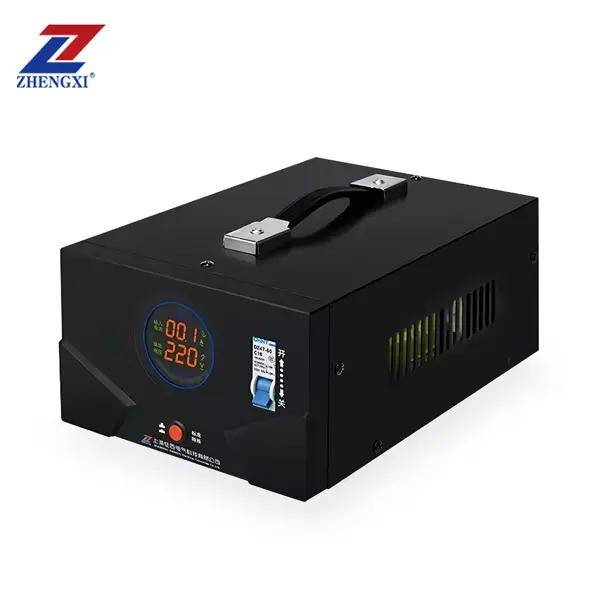
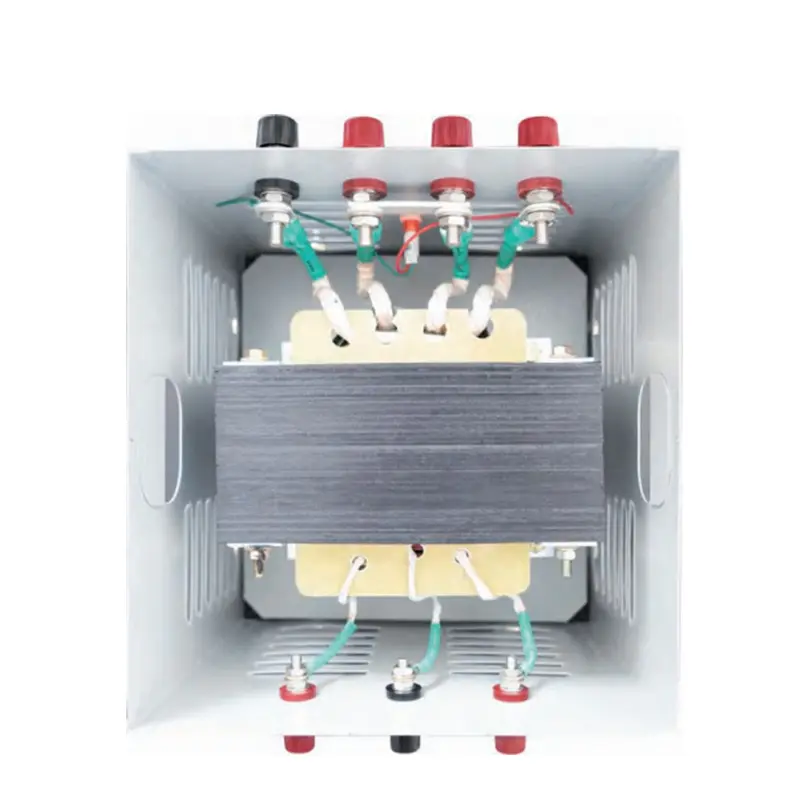
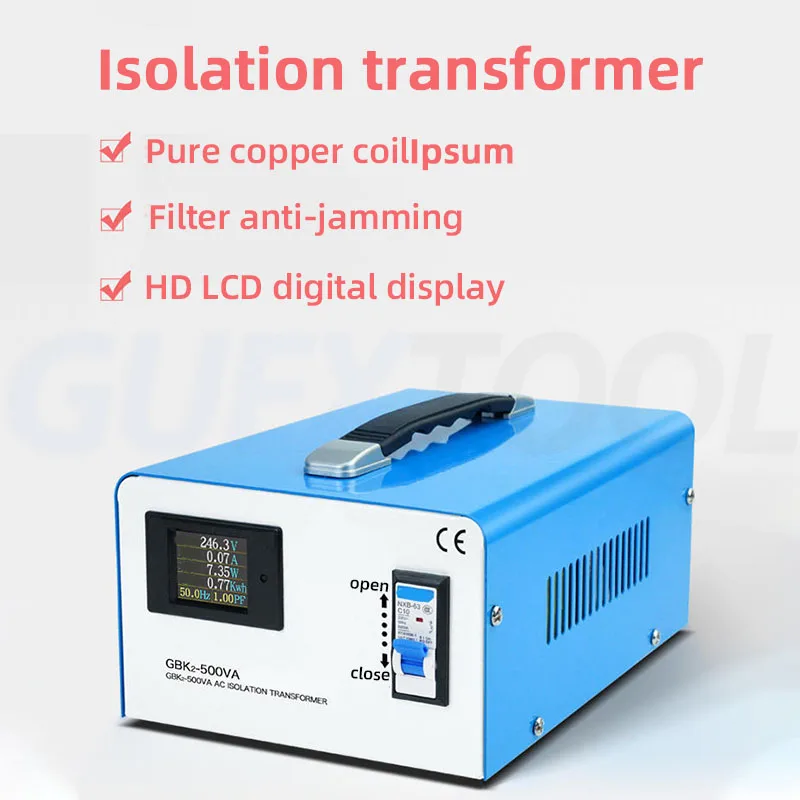
This 220V to 220V single-phase toroidal isolation transformer is made to supply delicate electronic and audio devices with clean, steady, and noiseless power. It efficiently isolates electrical noise and interference using high-efficiency toroidal core technology, guaranteeing connected devices operate at their best and are safe.
With two outputs and a smart HD LCD display, users can effortlessly keep an eye on operating condition, load, and voltage in real time. This isolation transformer provides clean power, low electromagnetic interference, and long-term reliability whether it is utilized in industrial control systems, medical equipment, audio systems, or labs.
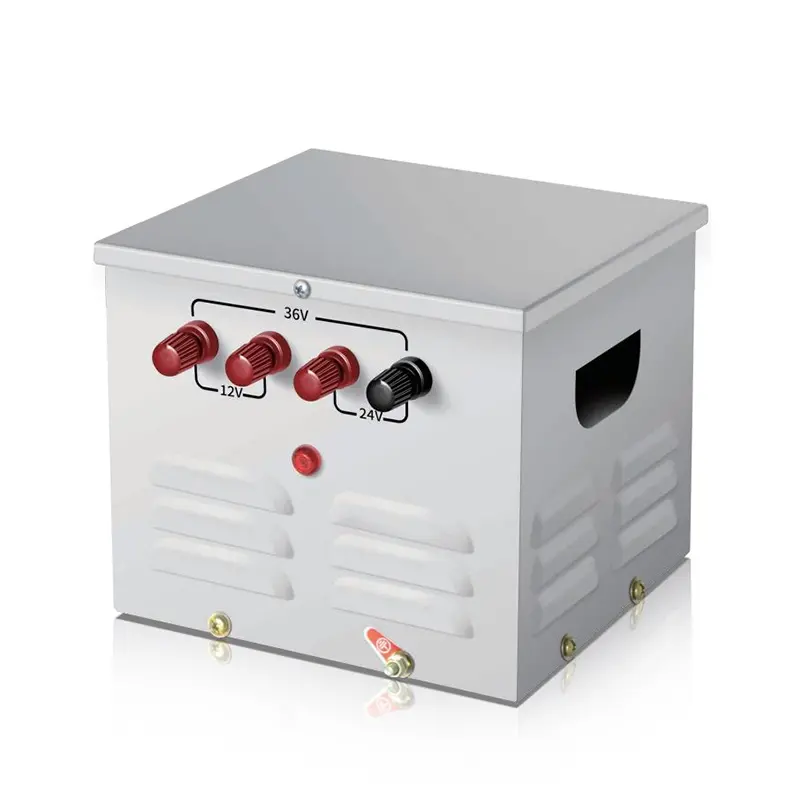
The JMB series is our rugged, portable single-phase control transformer built for lighting and small industrial equipment. It steps down common mains voltages to isolated, Safety Extra-Low Voltage (SELV) outputs — ideal for damp job sites, confined spaces and metal enclosures where safety matters. Available from 25 VA up to 50 kVA, with multiple taps and optional protective features.
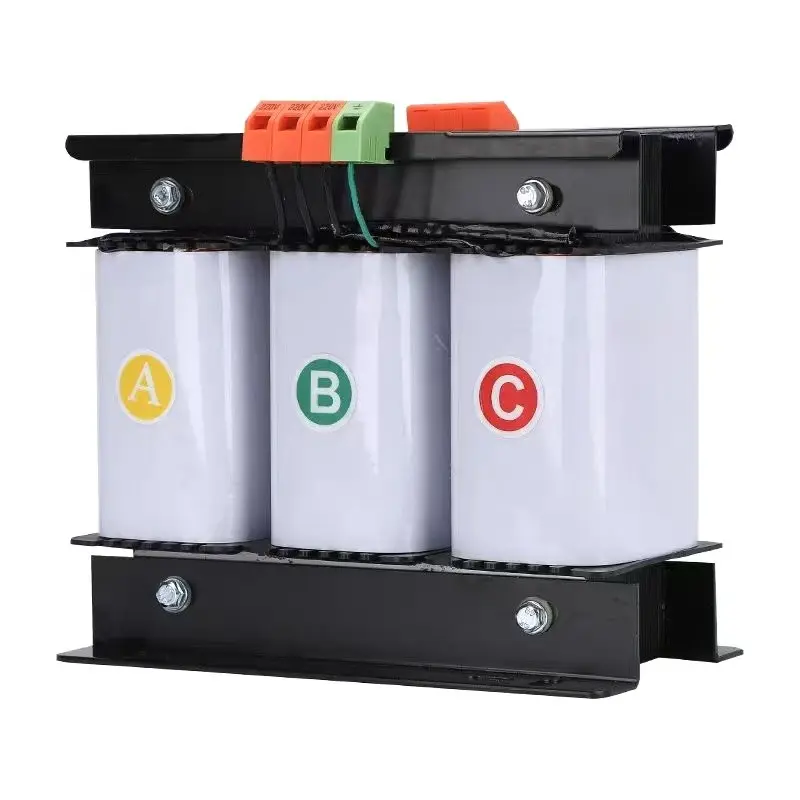
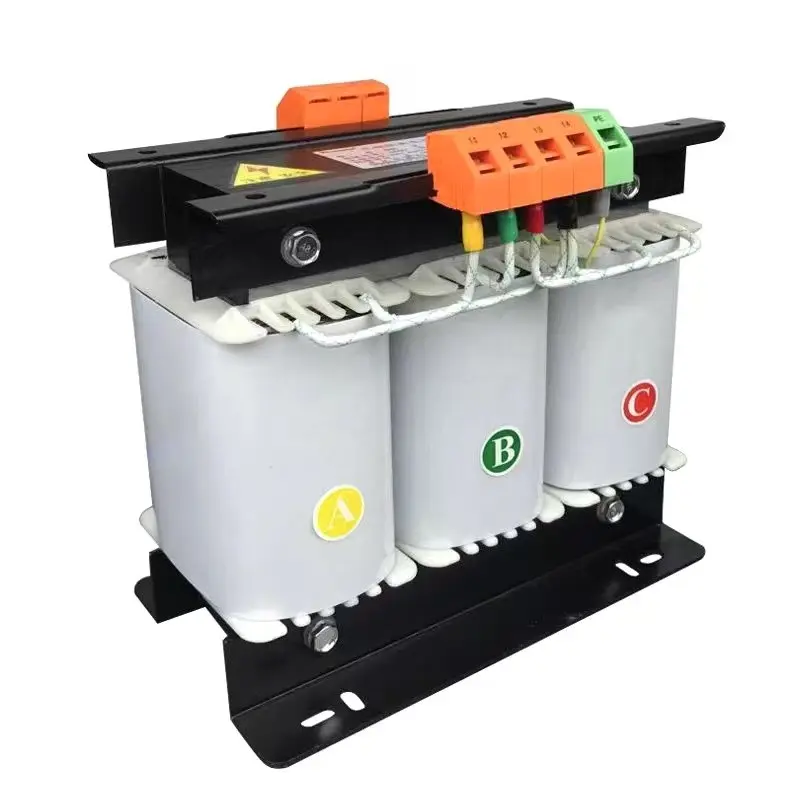
The SBK Series three-phase dry-type control transformer (500VA–1kVA) delivers compact, reliable voltage conversion for industrial control, automation and machinery applications. Available with configurable primary and secondary voltages (standard: 380V / 400V / 415V) and rated for 50Hz or 60Hz systems, this transformer is designed for low-voltage networks (<1kV). Its dry, air-cooled construction eliminates oil, reduces fire risk and lowers routine maintenance — making it a safe, cost-effective choice for motor control centers, CNC systems, PLC cabinets and distribution panels.
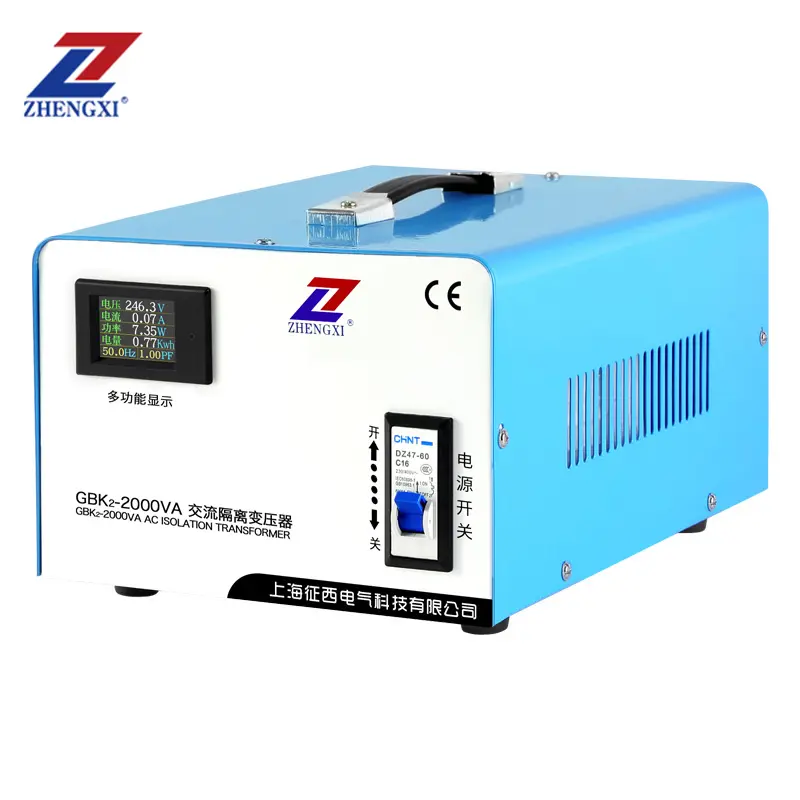
Ensure pristine power quality and maximum safety for sensitive loads with the GBK2 toroidal isolation transformer. Designed for applications that demand low noise, low leakage and stable output (220V → 220V), the GBK2 series isolates your equipment from mains disturbances, suppresses transients and reduces common-mode interference. Its compact toroidal core delivers higher efficiency and lower audible hum than conventional laminated transformers—ideal for medical devices, pro audio, laboratory instruments and industrial controls.





 EN
EN  FR
FR  ES
ES  PT
PT  IT
IT  RU
RU  AR
AR  FA
FA