A stable voltage is essential to ensure the proper functioning of various electrical and electronic devices.
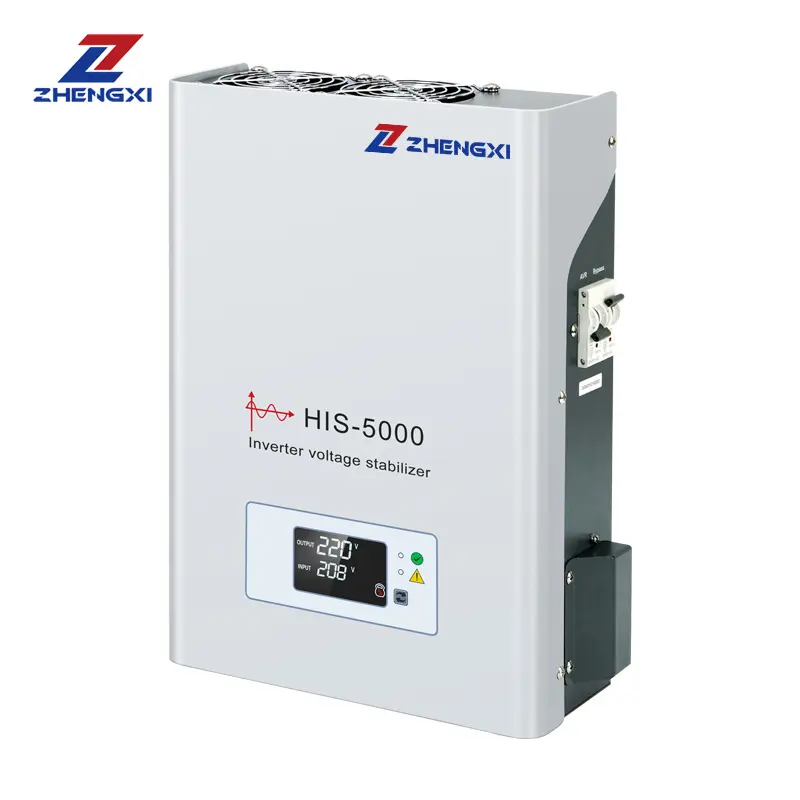
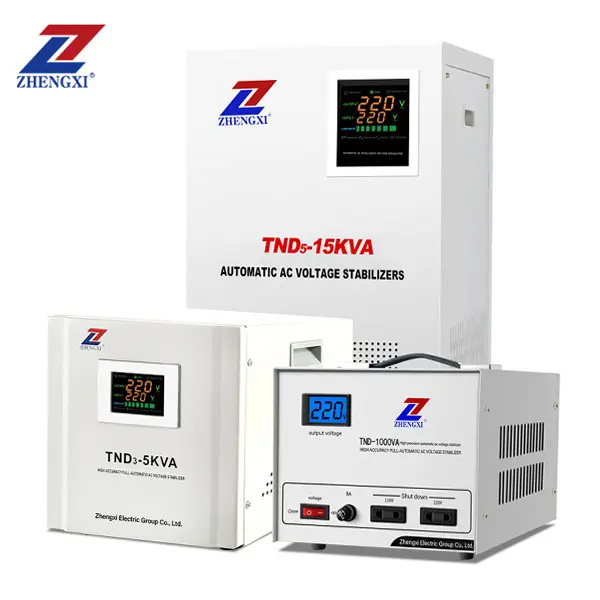
This Single Phase IGBT Pure Sine Wave Inverter Voltage Regulator Stabilizer is specifically engineered to provide higher precision voltage regulation, fast response, and low harmonic distortion, especially in situations where conventional servo or relay voltage stabilizers fail to perform adequately.
With the adoption of IGBT-based inverter regulation technology, this single-phase stabilizer ensures a clean and stable AC output even during harsh conditions associated with intense grid fluctuations, making it an ideal stabilizer for sensitive loads.
If your home or business suffers from frequent voltage drops or spikes, your electrical appliances—especially refrigerators—are at risk. The 20KVA Single-Phase Full Automatic AC Voltage Stabilizer is designed to deliver stable, clean voltage to protect refrigerators, freezers, air conditioners, and other sensitive electronics.
Built with a servo motor control system, this AVR offers high accuracy, fast correction, and reliable performance—ideal for residential homes, commercial kitchens, supermarkets, and cold storage environments.
Type: Vertical typer, Wall-mounted
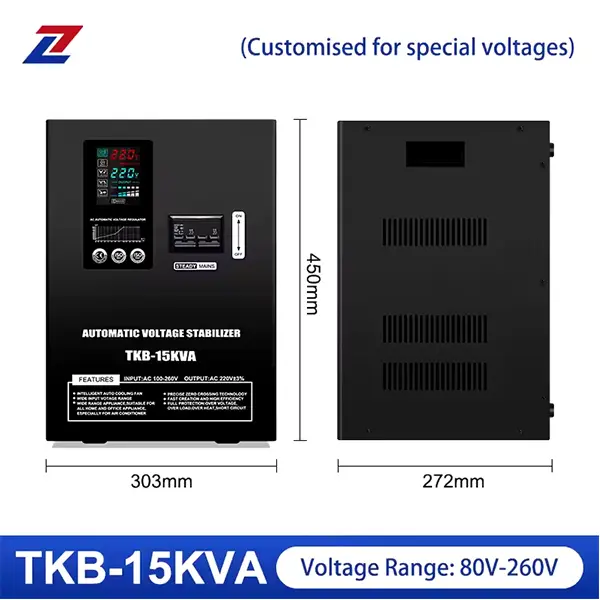
Available ranges: AC 45–260Vr, 80–260V, 100–260V, 140–260V (Custom voltage is supported)
The 30KVA Automatic Voltage Regulator (AVR) is specially designed for residential homes, commercial offices, shops, and light industrial use where stable power is important for electrical appliances, computers, lighting and communication equipment. With wide input voltage options and a compact design, this model helps protect devices against unstable grid power, voltage drops, and unexpected surges.
This home stabilizer uses relay control technology, digital monitoring, and multiple built-in protections, making it a reliable and cost-effective solution for long-term voltage regulation.
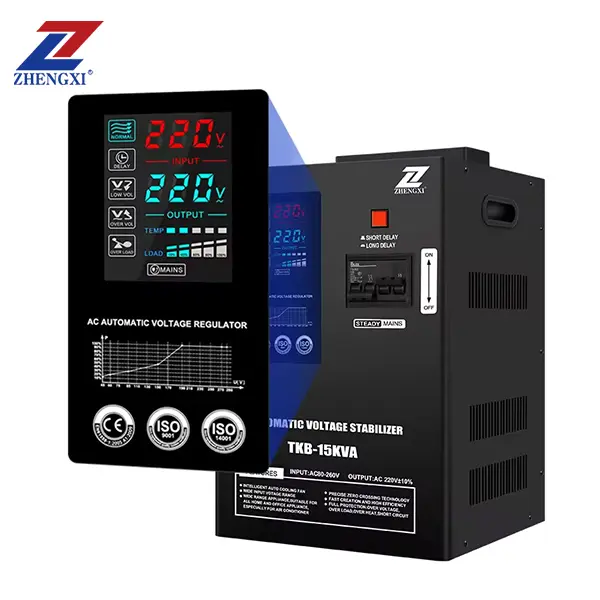
The Customized Single Phase Wall Mounted Automatic Voltage Stabilizer is designed to provide reliable voltage regulation and protection for household and commercial electrical appliances. With a power range from 3.5kVA to 10kVA, this wall-mounted stabilizer ensures steady, safe, and efficient power delivery, even in areas with unstable or fluctuating mains voltage.
Built with advanced relay or servo motor control technology, it maintains a constant 220V output by automatically correcting under-voltage or over-voltage conditions. Compact, quiet, and efficient, it’s ideal for homes, offices, and small businesses seeking dependable voltage protection in a sleek wall-mounted design.
Complete Buying Guide for Safe & Reliable Home Appliance Protection
A home voltage stabilizer (also known as a home voltage regulator or residential voltage stabilizer) is essential for protecting household appliances from unstable voltage, including low voltage, high voltage, and frequent fluctuations.
If you choose the wrong stabilizer, you may face appliance failure, frequent breakdowns, or costly repairs. This guide explains how to choose the right home voltage stabilizer step by step, based on real electrical conditions—not guesswork.
TL;DR — Quick Selection Guide
Choosing a home voltage stabilizer is not about the cheapest price or random kVA selection.
You must consider:
Total load in kVA (not only kW)
Actual input voltage fluctuation range
Stabilizer technology type
Application scenario (single appliance or whole house)
Quick Recommendations
Small appliances (TV, router, PC) → Relay type voltage stabilizer
Air conditioners / whole-house protection → Servo voltage stabilizer
Sensitive electronics (PCs, medical devices) → Static voltage stabilizer
Key rules:
Always select a stabilizer with a wider input voltage range than your local grid
Leave 20–30% capacity margin
When unsure, provide your appliance list and voltage range for accurate selection
👉 Not sure which model fits your home? Our engineers can calculate it for you.
What Is a Home Voltage Stabilizer?
A home voltage stabilizer is an automatic electrical device that stabilizes fluctuating input voltage and delivers a safe, consistent output voltage to household appliances.
It protects against:
Low voltage (undervoltage)
High voltage (overvoltage)
Sudden voltage fluctuations
Voltage imbalance (in some systems)
Common appliances that require voltage stabilization include:
Air conditioners
Refrigerators & freezers
Washing machines
TVs & home electronics
Whole-house electrical systems
Why Choosing the Wrong Home Voltage Stabilizer Is a Costly Mistake
Most homeowners install a voltage stabilizer after appliances start failing.
Incorrect selection often leads to:
Burnt compressor motors (ACs & refrigerators)
Frequent tripping or shutdowns
Overheating of stabilizer components
Shortened lifespan of expensive electronics
⚠️ Important: In real-world cases, most failures are caused by wrong stabilizer selection, not poor product quality.
A properly selected residential voltage stabilizer ensures stable voltage under actual operating conditions, not just rated values.
Step 1: Identify Your Actual Home Voltage Problem
Before choosing a stabilizer, you must understand what is happening on your power line.
Common Voltage Problems in Homes
Voltage Issue
Typical Symptoms
Low voltage
AC cannot start, lights dim
High voltage
Appliance overheating, blown fuses
Frequent fluctuations
Random shutdowns, error codes
Homes in rural areas, developing regions, or overloaded urban grids experience these issues most often.
👉 Measuring voltage at different times of the day gives the most accurate picture.
Step 2: Calculate Total Load Correctly (kVA, Not Just kW)
One of the biggest mistakes is selecting a stabilizer based only on rated power (kW).
Why kVA Matters for Voltage Stabilizers
Voltage stabilizers must handle:
Reactive power
Motor starting current
Multiple appliances running simultaneously
Practical Formula for Residential Use
Required kVA = Total kW ÷ Power Factor (≈ 0.8)
Important Note on Motor Loads
Appliances like:
Air conditioners
Refrigerators
Washing machines
have high starting current, often 2–3 times their rated power.
✅ Always add 20–30% safety margin to avoid overload.
👉 If calculation seems confusing, just send us your appliance list — our engineers will do it for you.
Step 3: Check the Real Input Voltage Range
Many home voltage stabilizers fail simply because the local voltage drops below their working range.
Typical Residential Voltage Conditions
Stable grid areas: 180–250V
Unstable areas: 140–260V or wider
⚠️ A stabilizer cannot regulate voltage outside its rated input range.
Selection Rule: Always choose a stabilizer with an input voltage range wider than your lowest measured voltage.
Step 4: Choose the Right Type of Home Voltage Stabilizer
Different stabilizer technologies serve different needs.
Expert Recommendation: For whole-house voltage protection, servo voltage stabilizers are the most widely used and cost-effective solution.
Step 5: Single-Phase or Three-Phase Home Voltage Stabilizer?
Home Type
Recommended
Apartment
Single-phase stabilizer
Small house
Single-phase stabilizer
Villa / large home
Three-phase stabilizer (if supply available)
⚠️ Always match the stabilizer to your actual power supply, not just house size.
Step 6: Home Appliance Matching Reference
Appliance
Typical Load
Suggested Stabilizer
Air conditioner (1–2 ton)
1–2 kW
3–5 kVA
Refrigerator
500–800 W
1–2 kVA
Washing machine
800–1200 W
2–3 kVA
Home electronics
<500 W
1 kVA
Whole house
—
5–10 kVA
📌 Final selection depends on starting current and voltage fluctuation severity.
Step 7: Installation & Safety Considerations
Even the best home voltage stabilizer can fail if installed incorrectly.
Installation Best Practices
Proper grounding
Adequate ventilation
Avoid continuous overload
Professional installation for whole-house systems
Common Mistakes to Avoid
❌ Choosing the cheapest model ❌ No capacity margin ❌ Ignoring actual voltage range ❌ Using industrial stabilizers at home (noise & size) ❌ No warranty or after-sales support
Home Voltage Stabilizer vs UPS vs Inverter
Device
Main Function
Voltage Protection
Voltage stabilizer
Voltage regulation
✅ Yes
UPS
Backup power
❌ Limited
Inverter
Power conversion
❌ No
👉 A voltage stabilizer does not provide backup power, but it is essential for long-term appliance protection.
When Should You Consult a Voltage Stabilizer Engineer?
You should seek professional advice if:
Voltage fluctuation is severe or frequent
You use multiple high-power appliances
You need whole-house voltage protection
You require customized or OEM solutions
Accurate information leads to the most reliable and cost-effective stabilizer selection.
Final Recommendation
Choosing the right home voltage stabilizer is not guesswork.
It’s about understanding your load, voltage conditions, and real usage scenario.
👉 Looking for a reliable residential voltage stabilizer? Send us your appliance list and voltage details — our engineers will recommend the right model and provide a competitive quote.
FAQ
Q1: Do I need a voltage stabilizer for my home appliances?
A1: Yes, because the voltage stabilizer will protect the appliances from low voltage, high voltage, and voltage fluctuations. The voltage stabilizer will protect the AC, refrigerator, washing machine, TV, and other electrical appliances from damage.
Q2: How do I choose the right voltage stabilizer for my home?
A2: The right voltage stabilizer can be chosen according to the total load (kVA), actual voltage range, type of appliance, and type of setup. Relay stabilizers can be used for small appliances, servo stabilizers can be used for AC and whole-house protection, and static stabilizers can be used for sensitive electronics and server protection.
Q3: What is the difference between relay, servo, and static stabilizers?
A3: Relay Stabilizers: These are compact and cost-effective, with step regulation and best suited for small appliances. Servo Stabilizers: These are highly accurate and have mechanical components, best suited for AC and whole-house protection. Static Stabilizers: These have ultra-fast response times and are relatively expensive, best suited for server and electronics protection.
Q4: What type of voltage stabilizer should I choose? Single-phase or three-phase?
A4: Most homes use single-phase stabilizers. Larger villas or homes with heavy loads may require three-phase stabilizers if available from your utility.







 EN
EN  FR
FR  ES
ES  PT
PT  IT
IT  RU
RU  AR
AR  FA
FA