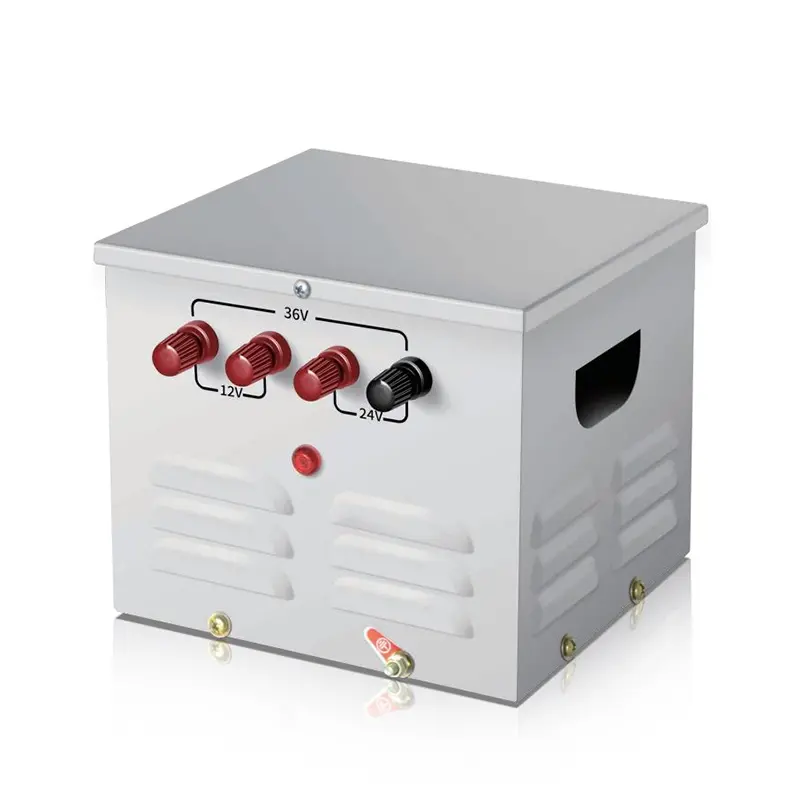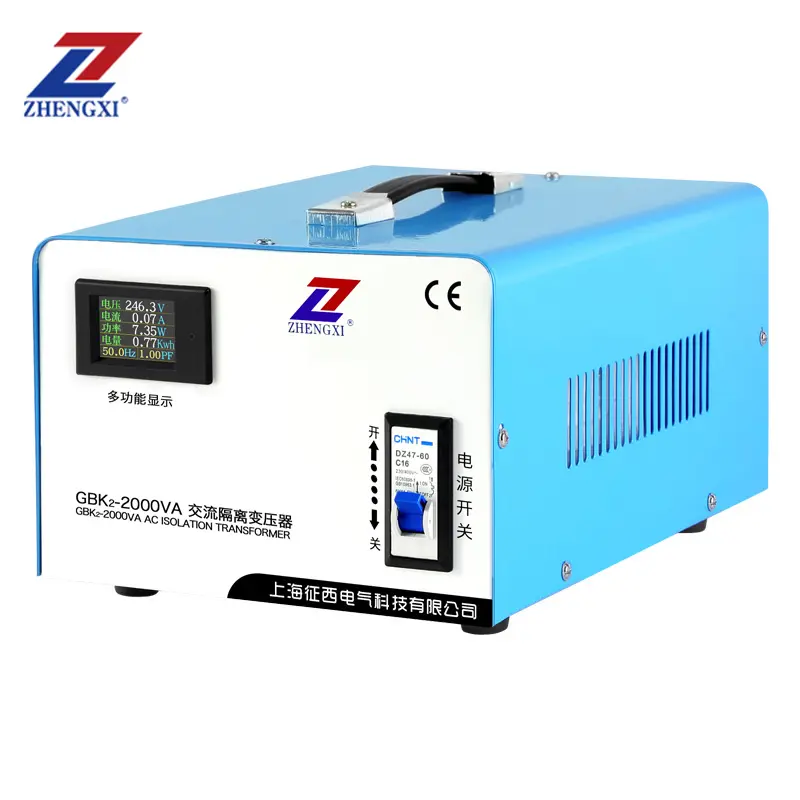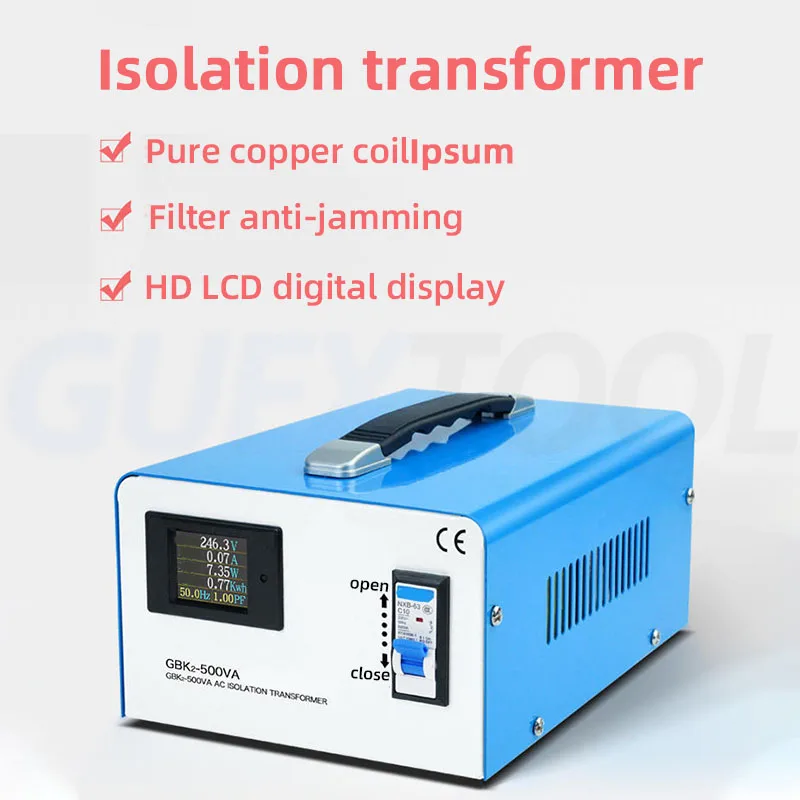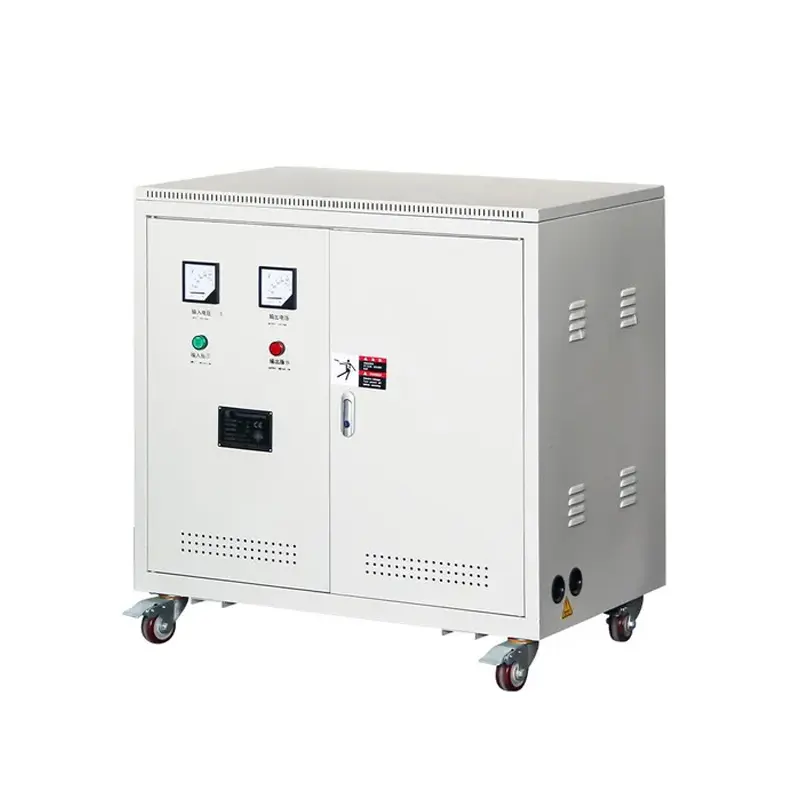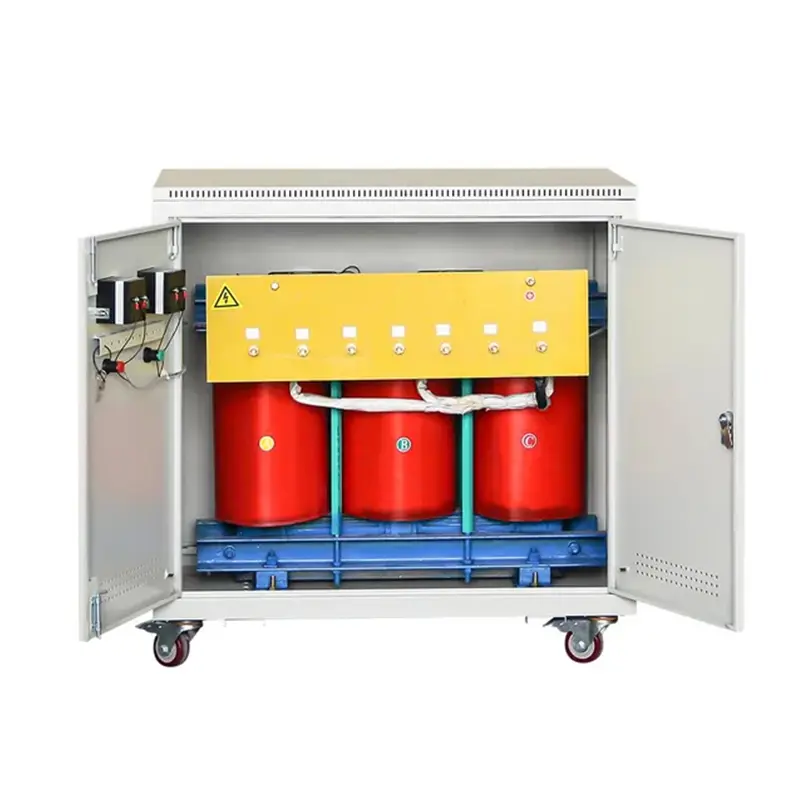
In contemporary electrical setups, the low voltage transformer has become a vital part of a safe and stable power distribution and usage process. The low voltage transformer has found wide applications in the step-down process of converting higher voltage levels to low voltage power.
With the rising demand for energy efficiency, automation, and the integration of renewable resources into the power system, low-voltage transformers have become an essential component in buildings as well as industries.
What Is a Low Voltage Transformer?
The low-voltage transformer is intended to be used with output voltages of less than 1,000V AC and 1,500V DC. The specifications comply with IEC and UL.
It is based on the principle of electromagnetic induction and can transfer electrical energy between circuits along with aspects of voltage conversion and system protection.
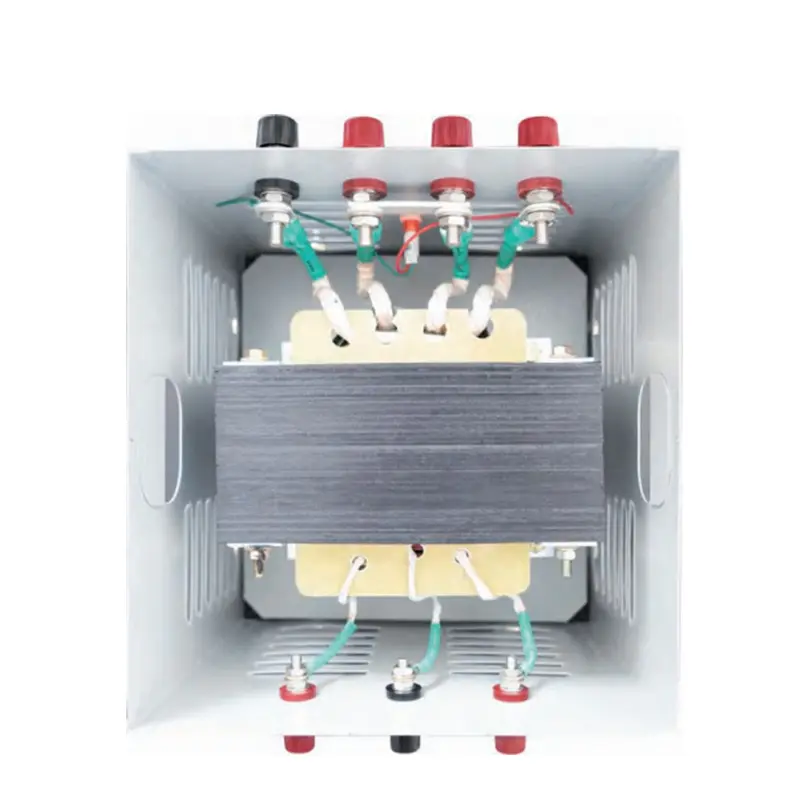
Components of Low Voltage Transformer
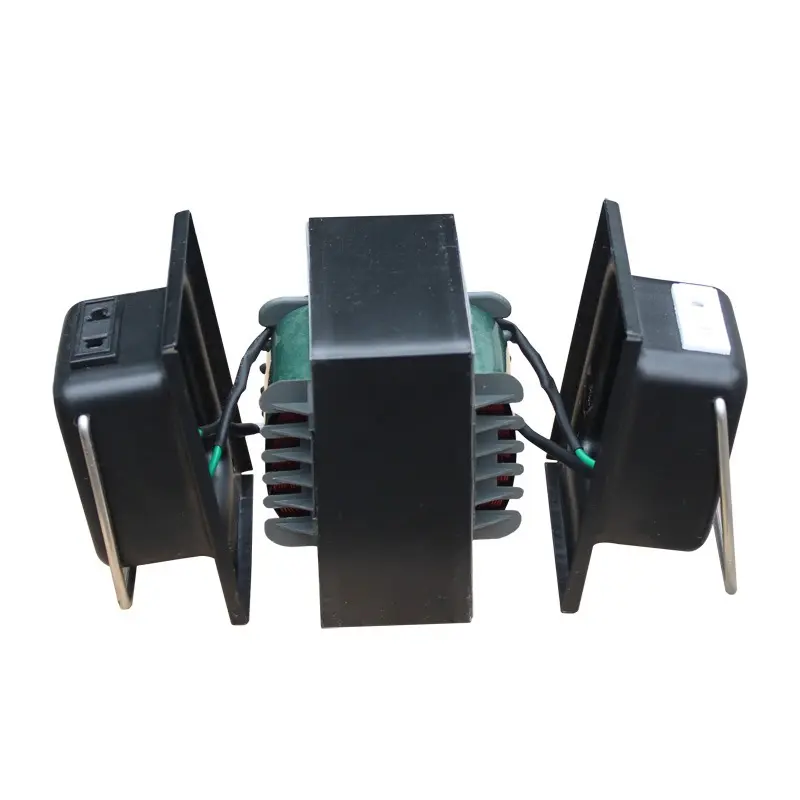
Magnetic Core: Laminated silicon steel or Amorphous core to lower losses
Primary & Secondary Windings: Copper/Aluminum Conductors for efficient Transfer of Energy**
Insulation System: It helps in maintaining thermal stability, dielectric strength, and operating safety.
In practical applications, the application of low-voltage transformers is mainly limited to step-down voltage transformation. However, step-up applications can be considered in the context of low-voltage networks.
Important Features and Benefits of Low Voltage Transformers
- Improved Electrical Safety
Low-voltage transformers are much safer in terms of electric shock and fire risks, and thus are the most appropriate for the customer’s equipment and control circuits.
They are standards compliant, catering to international standards such as IEC 61558, ISO9001, and CE standards.
- High Energy Efficiency
Modern low voltage transformer designs aim to minimize:
Core losses (hysteresis & eddy current)
Copper losses during loading
The high efficiency models have the potential of reaching a 98% efficiency rate, which will ensure that the carbon emissions are reduced.
- Compact Design
Optimized basic materials and improved winding technology enable:
Reduced installation footprint.
Ease of integration into panels, cabinets, or OEM solutions
- Wide Application Compatibility
Low voltage transformers are:
Single-phase and Three-phase Systems
50Hz / 60Hz power networks
Indoor installation
Outdoor installation
- Long Service Life and Reliability
These low voltage transformers have been designed for use as continuously operating units. They provide a very high resistance to: Heat
Moisture
Dust and industrial environments
Applications of Low Voltage Transformers in Electrical Systems
Low Voltage Transformer-Residential Application
Low voltage lighting systems: LED, landscape lighting
HVAC control circuits
Smart home systems and doorbells
Low voltage transformer for commercial buildings
Office automation and IT equipment
Retail signage and display lighting
UPS and power backup systems
Low Voltage Transformer for Industrial Applications
Control panels, automation systems
CNC machines, and the production lines.
Voltage isolation and stabilization to sensitive equipment
Low Voltage Transformer in Renewable Energy Systems
Matching Inverter output voltage
Electrical isolation between inverter and grid
Integration of battery energy storage system
Low Voltage Transformer vs Medium & High Voltage Transformers
| Feature | Low Voltage Transformer | Medium Voltage Transformer | High Voltage Transformer |
|---|---|---|---|
| Voltage Range | ≤ 1,000V AC / 1,500V DC | 1kV – 69kV | ≥ 69kV |
| Typical Use | End-user & control systems | Sub-transmission | Long-distance transmission |
| Safety Level | High | Medium | Low |
| Installation Cost | Low | Moderate | High |
| Maintenance | Minimal | Regular | Specialized |
Key Insight:
Low voltage transformers are optimized for safety, cost efficiency, and localized power distribution, making them the preferred solution for downstream electrical applications.
FAQ
Q1: What voltage rating does a low voltage fall in for transformers?
Low voltage commonly means ≤1,000V AC or ≤1,500V DC, depending on the standard of the country.
Q2: Are low voltage transformers safer than high voltage transformers?
Yes. Low operating voltages significantly reduce the risk of electrocution and make for easier installation and maintenance.
Q3: Can low voltage transformers be applied in solar power systems?
Yes, they are common in isolation, voltage matching, and transformation on the inverter side of solar and energy storage systems.
Q4: Which do I choose: single-phase or three-phase low voltage transformer?
Single-phase: residential and light commercial loads
Three-phase: Industrial machinery and balanced power systems
Q5: How often should a low voltage transformer be maintained?
They require little maintenance, but a periodic inspection of the insulation, terminals, and temperature rise is recommended.
Conclusion
A low-voltage transformer is a fundamental component of modern power systems, which supply safe, efficient, and reliable voltage conversion in a great number of applications.
From residential buildings to industrial automation and renewable energy projects, low voltage transformers allow steady power distribution with the meeting of today’s demands for efficiency, safety, and sustainability.
A low voltage transformer is only as good as the one that has been chosen. This is particularly true for engineers, OEMs, and project contractors who work hard to attain long-lasting system reliability and performance.
Related Products
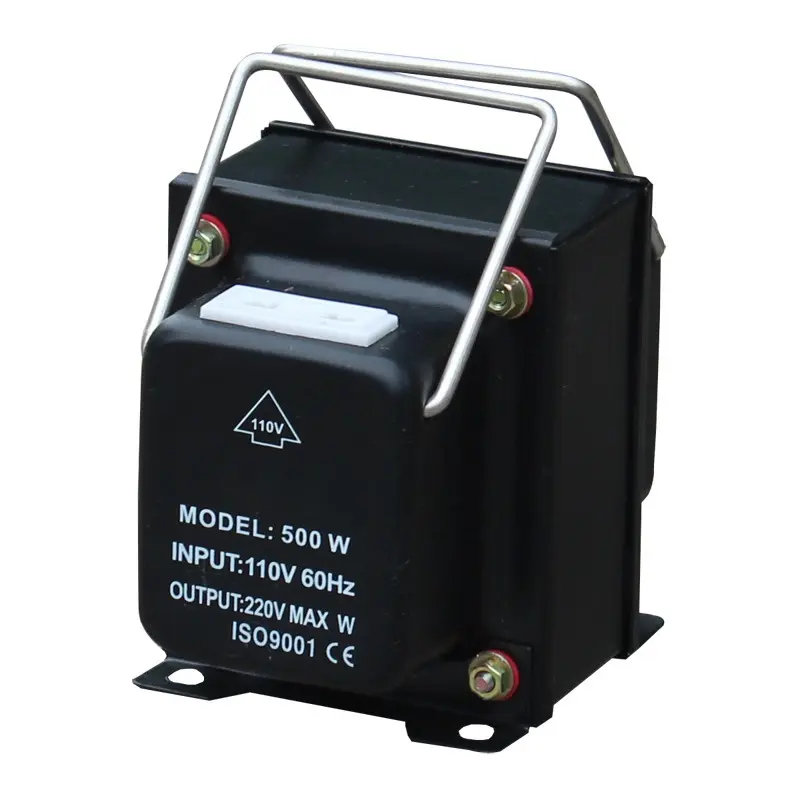
TC 100va-5Kva Portable Small Step Up And Down Voltage Converter 110v To 220v Transformer
The TC Series Portable Step Up and Down Voltage Converter is designed for users who need to operate electrical appliances with different voltage standards. This reliable 110V to 220V transformer efficiently converts power between 110V–120V and 220V–240V, ensuring safe and stable performance for your devices anywhere in the world.
With its dual-core design, the 110 To 220 Transformer works both ways:
- Converts 110V to 220V (step-up)
- Converts 220V to 110V (step-down)
Simply select the correct input voltage for your region using the built-in voltage selector switch — available options: 110V / 220V / 230V / 240V. The corresponding output provides clean and stable AC power for your equipment.