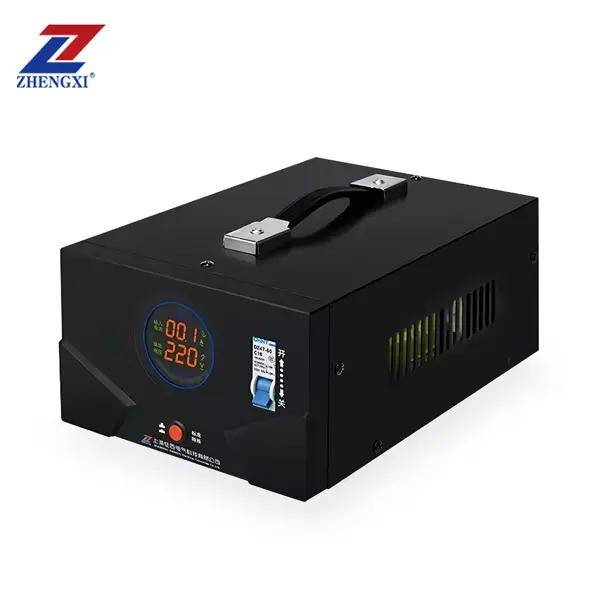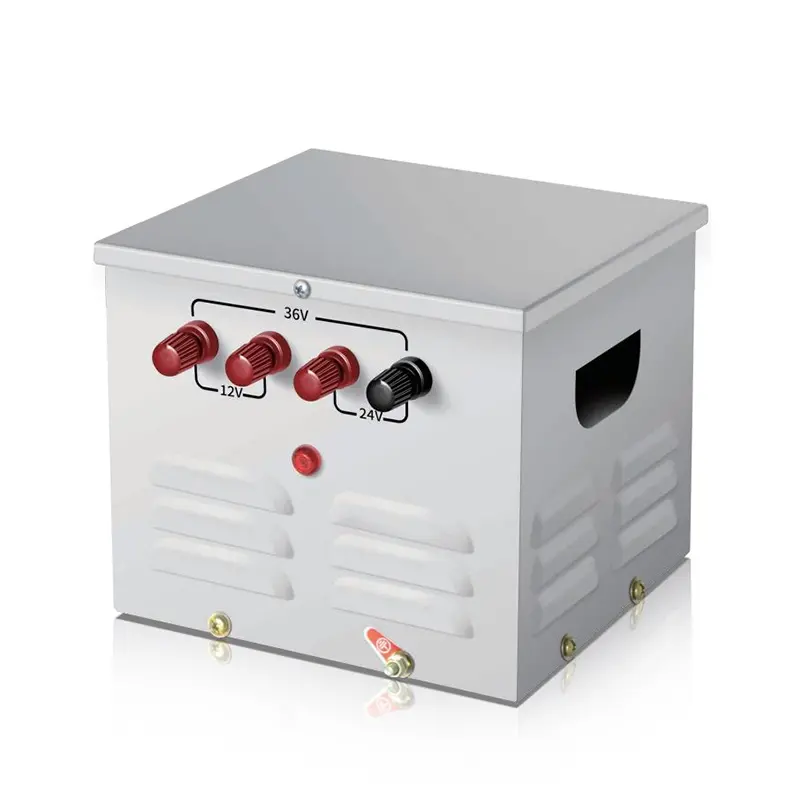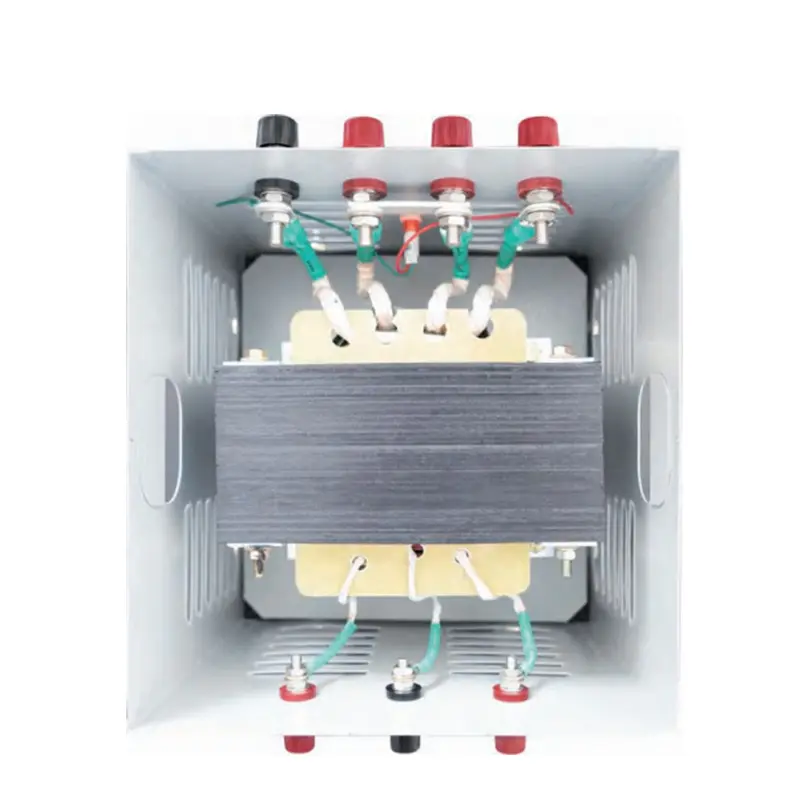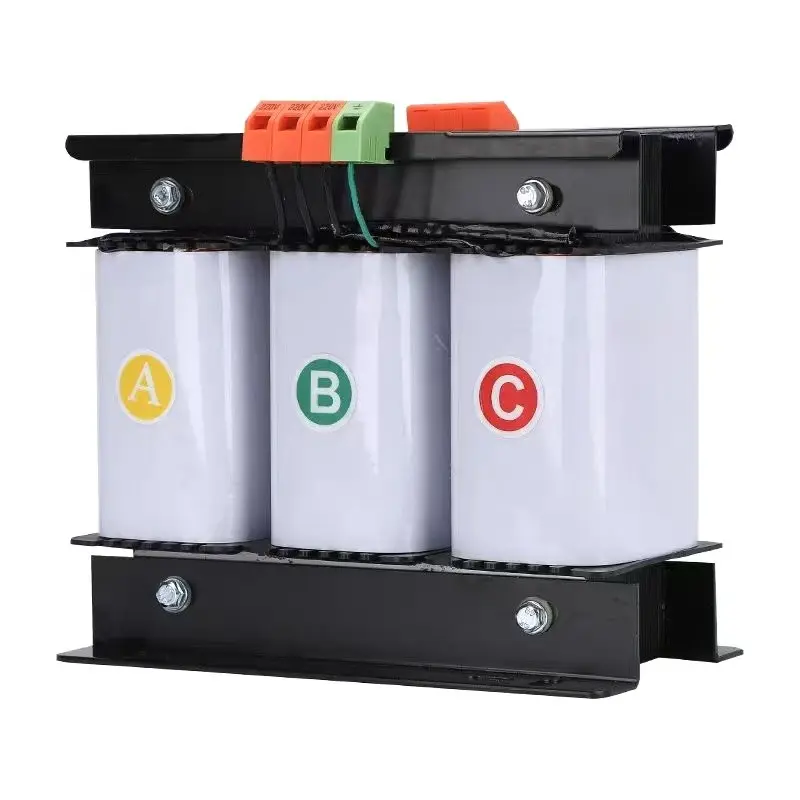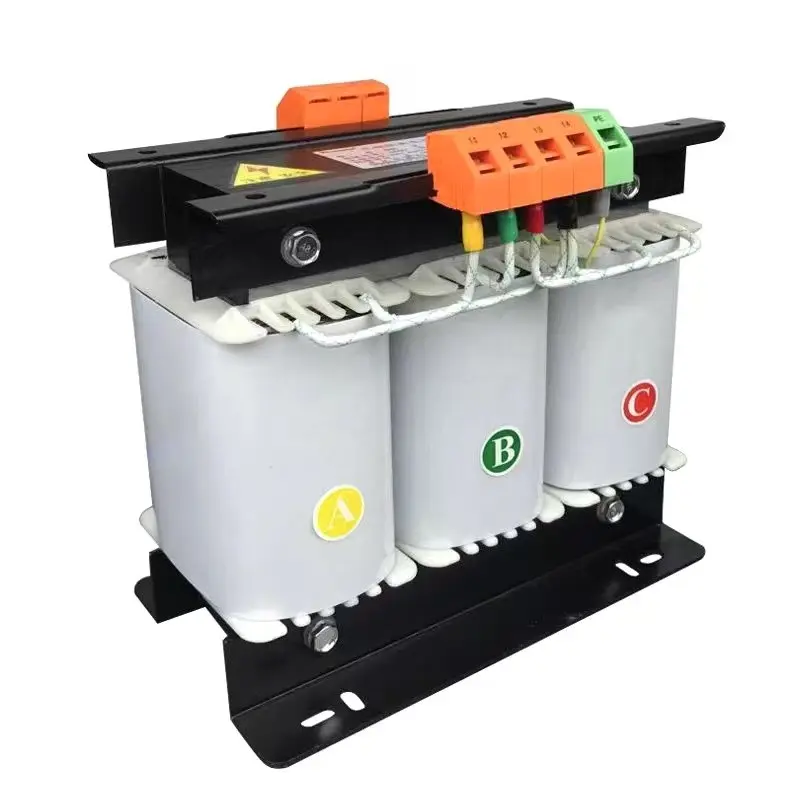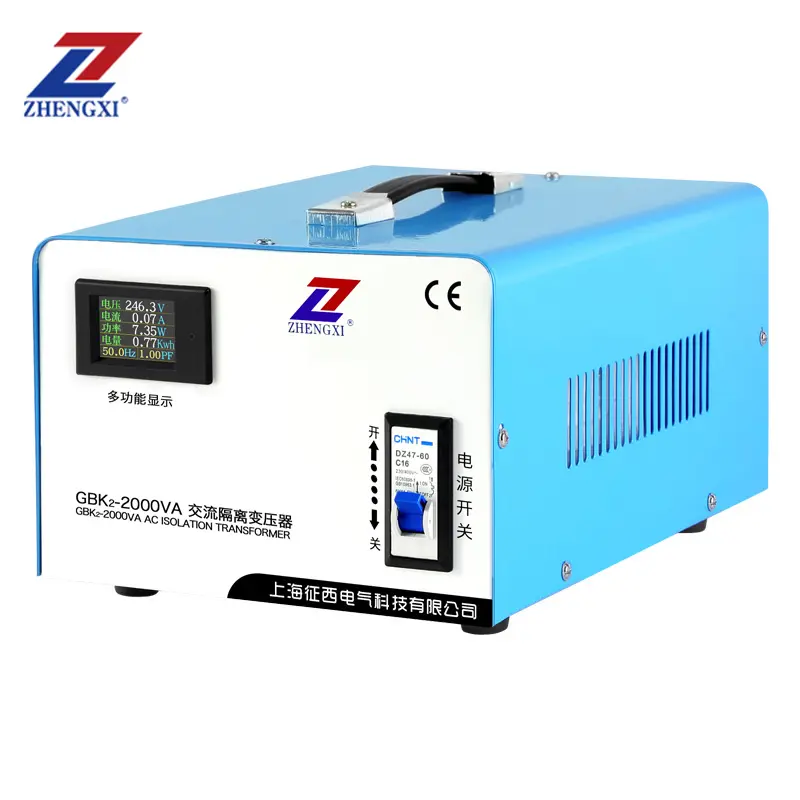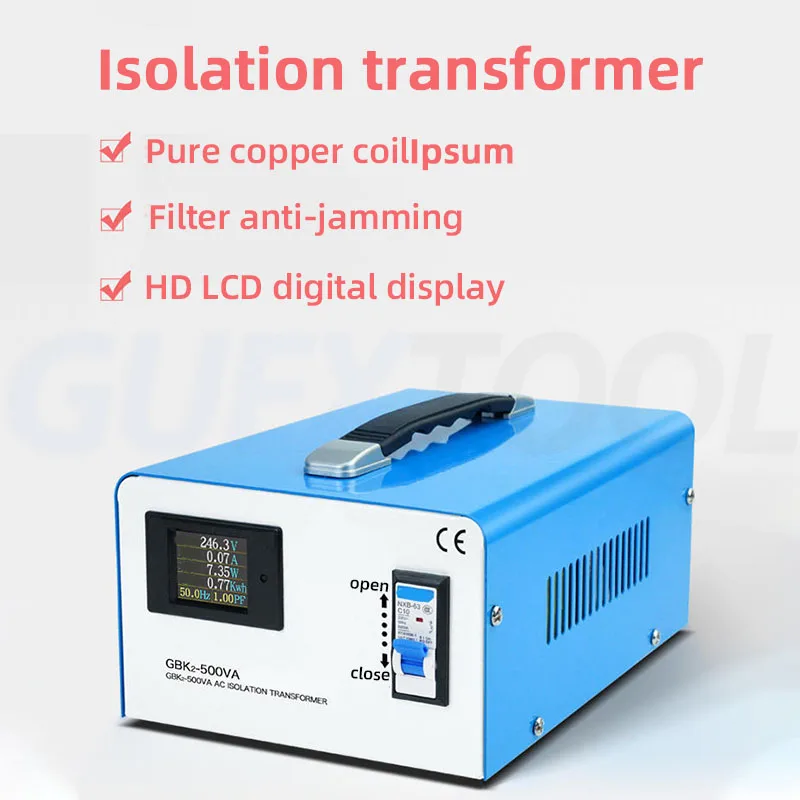

An autotransformer changes voltage using a single tapped winding — it’s compact, efficient and cost-effective when you don’t need electrical isolation. An isolation transformer uses separate primary and secondary windings to provide galvanic isolation — it’s used where safety, noise suppression or a separated neutral/ground is required.
How each one works
Autotransformer (simple and efficient)
- Uses a single continuous winding with taps. Part of the winding acts as the primary and part as the secondary.
- Voltage change is achieved by taking output from a tap on that same winding.
- For small voltage changes the autotransformer needs less copper and is lighter, cheaper and often more efficient for the same apparent kVA.
- No galvanic isolation: input and output share conductors so there’s a direct electrical connection.
Isolation transformer (safety & clean power)
- Has separate primary and secondary windings magnetically coupled through the core.
- Galvanic isolation: no direct electrical connection between input and output — this breaks ground loops and improves safety.
- Often available with electrostatic shielding between windings to suppress high-frequency common-mode noise and provide a defined neutral/ground point.
- Preferred when protective separation, equipment safety, or strict noise immunity is required.
Key differences at a glance
| Topic | Autotransformer | Isolation Transformer |
|---|---|---|
| Galvanic isolation | No | Yes |
| Typical use when | Large kVA, small voltage change, cost/space limited | Safety-critical loads, noise-sensitive equipment |
| Size & cost (for small voltage change) | Smaller / cheaper / higher efficiency | Larger / more expensive |
| EMI / ground-loop control | Limited | Good (especially with shield) |
| Suitable for medical/service/work safety | Not recommended | Recommended / often required |
When to choose which — practical guide
Choose an autotransformer if:
- You only need economical voltage conversion and no electrical isolation.
- The voltage change is relatively small and size/weight/cost matter (e.g., motor starting, utility step-up/step-down).
- Regulations or equipment specs do not require isolation.
Choose an isolation transformer if:
- You need safety isolation for personnel or equipment (medical devices, test benches).
- You must break ground loops or suppress common-mode noise for sensitive electronics or IT systems.
- You need a new neutral/grounding point or have regulatory requirements demanding isolation.
Rule of thumb: if the spec or local code requires galvanic separation, do not substitute an autotransformer.
Practical examples
- Data center / servers: Isolation transformer (prevents ground loops, reduces EMI).
- Large motor step-up from bus: Autotransformer (economical for big kVA, small voltage change).
- Medical imaging / diagnostic machines: Isolation transformer (safety & compliance).
- Low-change HV distribution: Autotransformer (compact and efficient).
Sizing & safety tips
- Always size with margin: allow for inrush/start currents, harmonics and ambient temperature.
- For motors include starting current (inrush) in selection.
- If waveform quality matters, request THD/waveform specs and models with shielding.
- Verify applicable standards and request test certificates (dielectric test, insulation resistance, temperature-rise report).
- Never bypass isolation requirements in procurement documents—safety rules exist for a reason.
What to look for when buying (quality checklist)
- Core material: cold-rolled silicon steel laminations for low loss.
- Winding quality: orthocyclic/precision winding, vacuum impregnation (VPI) for mechanical stability.
- Insulation class: F or H for higher thermal life where needed.
- Tests & certification: hi-pot (dielectric) test, insulation resistance, temperature rise test, plus IEC/UL/EN compliance where relevant.
- Optional features: electrostatic shield (for isolation transformers), taps for regulation, natural/forced cooling as required.
FAQs
Q — Can an autotransformer replace an isolation transformer to save cost?
A — No. If the application or regulation requires galvanic separation (safety, medical, certain test setups), an autotransformer is not an acceptable substitute.
Q — Which is more efficient?
A — For small voltage changes, autotransformers are typically more material- and energy-efficient because part of the power is transferred conductively through the winding. But efficiency is secondary to safety when isolation is required.
Q — How do I decide for my project?
A — Ask: (1) Do you need galvanic isolation or a new grounded neutral? (2) Is the voltage change small and are cost/space critical? (3) Are there regulatory or equipment constraints? If in doubt, consult a qualified electrical engineer or your transformer supplier and request site-specific recommendations and test reports.
Final note (EEAT boost)
If you need, we can provide: model-specific datasheets, test reports (hi-pot, IR, temp rise), and compliance certificates (IEC/UL/EN where applicable). Send your system voltage, load profile and regulatory requirements and we’ll recommend the right solution — autotransformer or isolation transformer — for safety, cost and performance.