




SBW Industrial Outdoor 100KVA 3 Phase Servo Automatic Voltage Stabilizer for Mechanical Equipment
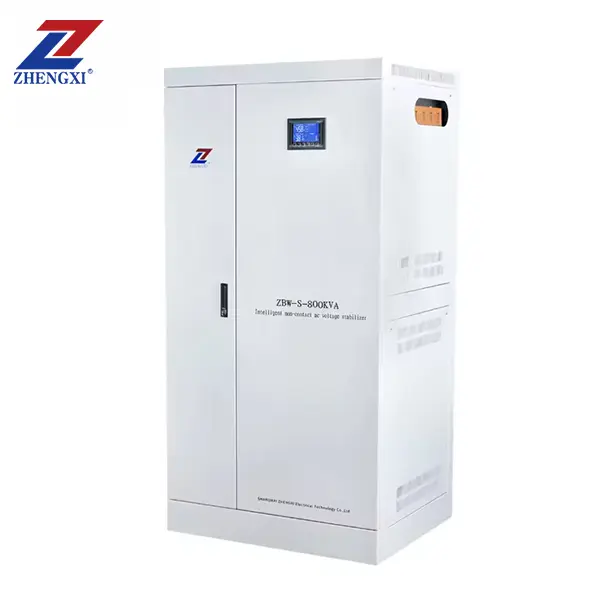
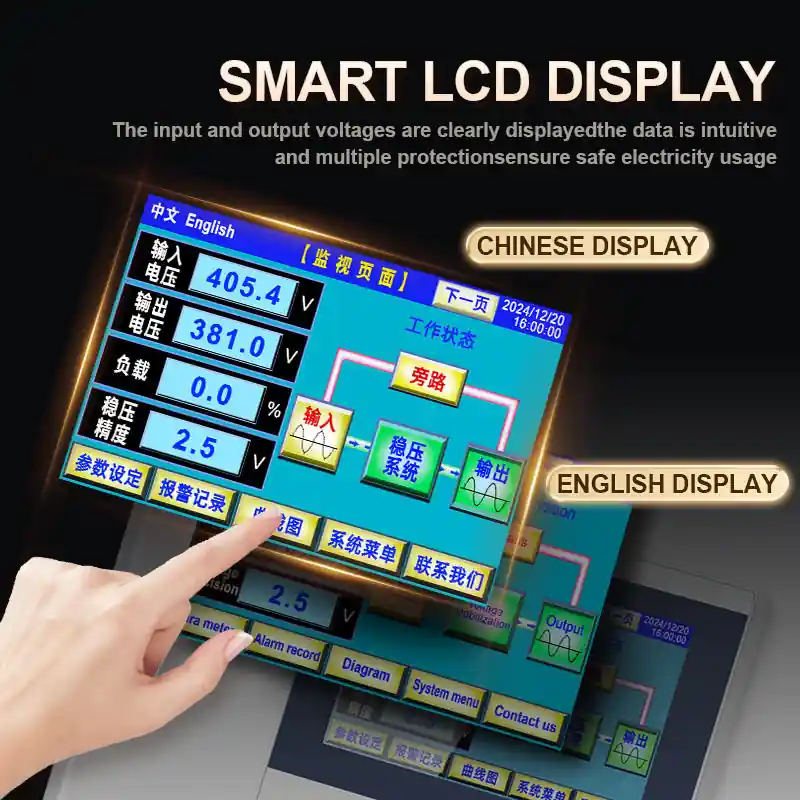
1000kVA Three-Phase High-Power Intelligent Fully Automatic Non-Contact Static Voltage Stabilizer with LCD Display


ZBW 10Kva-4000Kva 3 Phase IGBT Static Automatic Voltage Stabilizer For High-Precision Machines
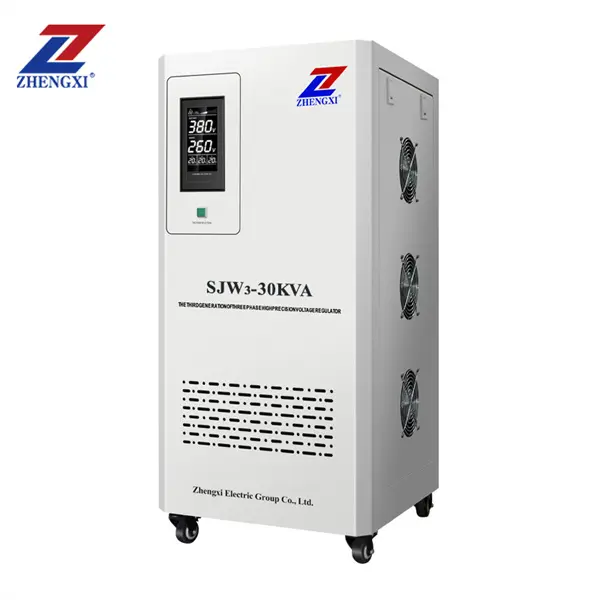
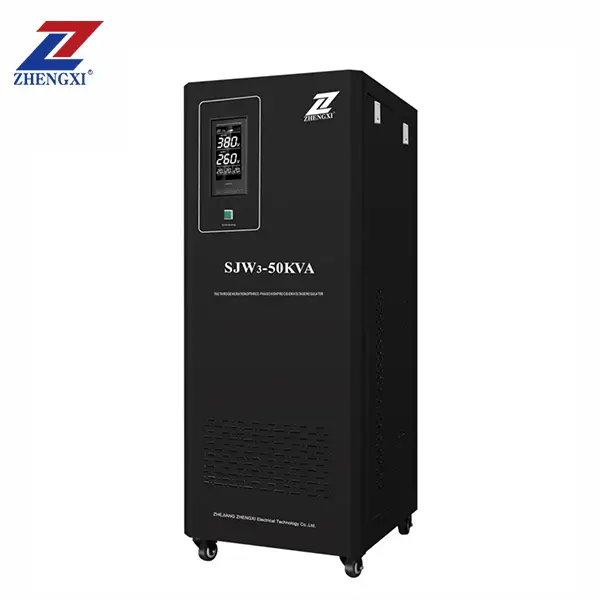
SJW 3 Phase 40KVA Servo Voltage Stabilizer for Commercial Data Centers
Overheating ranks among the top potential failure modes for voltage stabilizers used within industrial settings.” In an industrial setting, when we talk of voltage stabilizers, it is expected to be a lot different from those used for commercial or domestic purposes, i.e., a three-phase voltage regulator. Suffice it to cite that a voltage regulator used in an industrial setting, unlike its counterpart used for domestic or commercial purposes, has a higher load handling capacity.
This article will cover in detail what causes these voltage stabilizers to overheat from a technology perspective. We will cover what trends are happening in the market in terms of voltage stab technology itself, then offer some practical application information from a series of authoritative reference sites such as IEEE, ABB, Schneider Electric, and Wikipedia.
How Industrial Voltage Stabilizers Generate Heat
At a fundamental level, an industrial voltage stabilizer compensates for voltage fluctuations through electromagnetic, electronic, or hybrid methods. Electrical losses during regulation manifest as heat, which must be properly managed.
Primary sources of heat include:
- Copper losses (I²R losses) in windings
- Core losses in transformers or reactors
- Power semiconductor losses in electronic stabilizers
- Mechanical friction in servo motor–based stabilizers
According to IEEE standards, heat generation rises exponentially with load current and ambient temperature, making industrial stabilizers far more sensitive to thermal stress than lower-power units.
Key Reasons Industrial Voltage Stabilizers Overheat
1. High Load Density in Industrial Applications
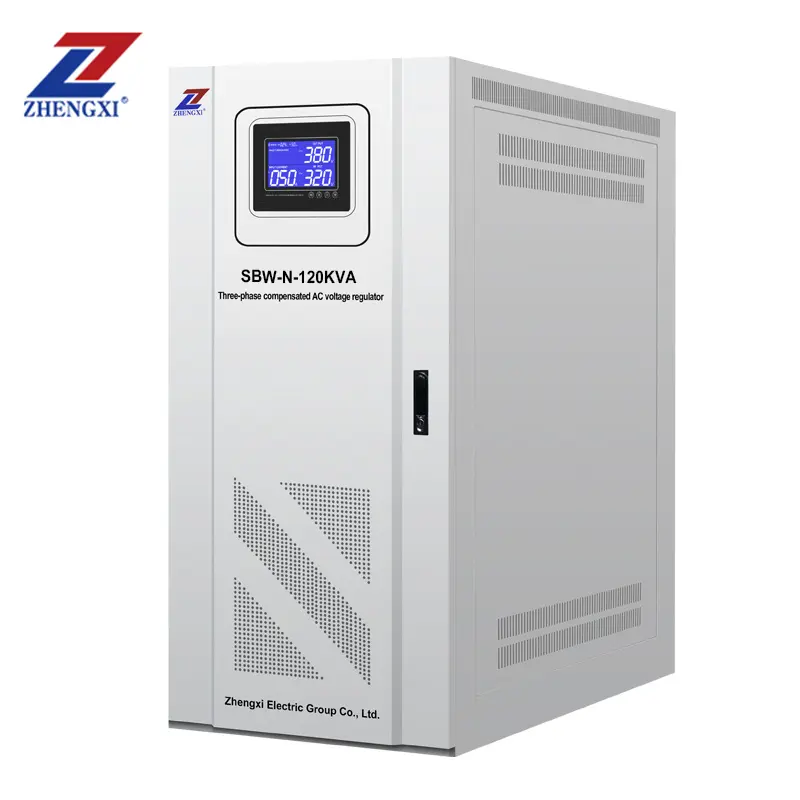
Industrial stabilizers often operate at 70–90% of rated capacity for prolonged periods. Heavy machinery such as CNC machines, injection molding systems, compressors, elevators, and cranes place continuous stress on the stabilizer.
In three phase stabilizers, uneven load distribution further intensifies overheating. A phase consistently carrying higher current leads to localized hot spots, accelerating insulation aging.
2. Poor Power Quality and Harmonics
Modern industrial environments are filled with non-linear loads—VFDs, UPS systems, inverters—that introduce harmonics into the grid.
Harmonics cause:
- Additional eddy current losses
- Transformer core saturation
- Increased RMS current beyond nominal values
IEEE harmonic distortion guidelines note that excessive harmonics significantly raise internal temperatures, especially in conventional servo-type stabilizers.
3. Inadequate Cooling Design
Cooling is critical for stabilizer reliability. Many overheating issues stem from:
- Undersized heat sinks
- Poor airflow design
- Low-quality cooling fans
- Insufficient ventilation clearance
Industrial stabilizers installed in enclosed electrical rooms, high-dust workshops, or tropical climates are particularly vulnerable. Compared with modern electronic stabilizers from ABB or Schneider Electric, lower-end units may lack thermal sensors, temperature-controlled fans, and advanced airflow optimization.
4. Servo Motor and Carbon Brush Friction (Servo Stabilizers)
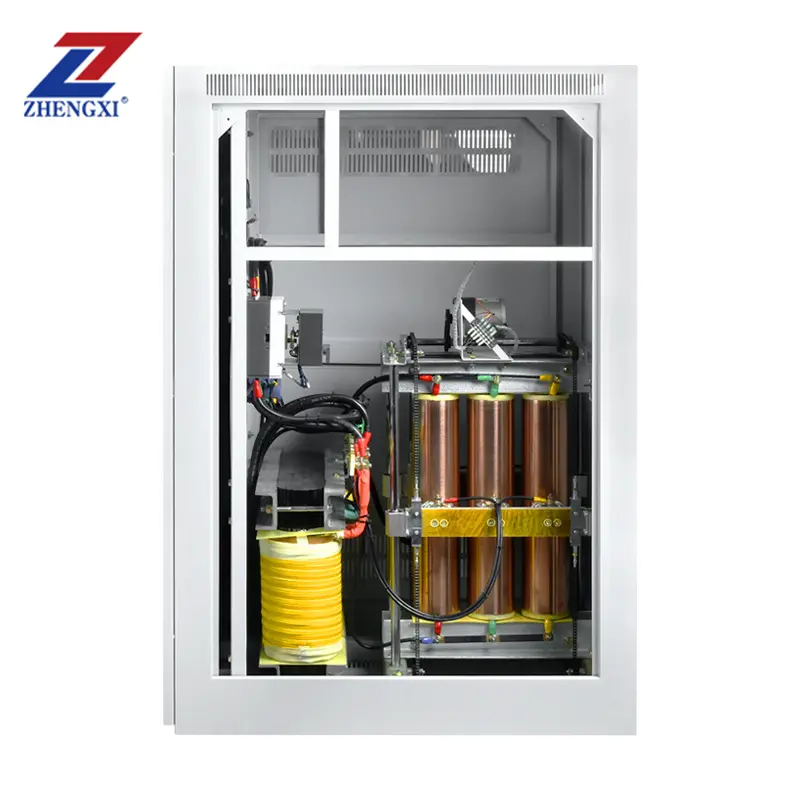
Servo-controlled stabilizers are cost-effective but introduce mechanical heat sources:
- Continuous servo motor operation
- Carbon brush friction on autotransformers
- Increased resistance due to brush wear
As brushes age, localized overheating accelerates insulation degradation, potentially causing premature failure.
5. Improper Sizing and Selection
Undersized stabilizers are a frequent cause of overheating. Common mistakes include:
- Selecting solely based on kVA without considering starting current
- Ignoring power factor of industrial loads
- Neglecting ambient temperature derating
Equipment operated above its thermal design limits experiences accelerated aging and frequent failures (Wikipedia, IEEE).
Industrial Applications With High Overheating Risk
Overheating is especially common in:
- Manufacturing plants with fluctuating loads
- Mining and oil & gas facilities
- Textile and printing industries
- Data centers using three phase stabilizers
- Renewable energy systems with grid-tied inverters
Here, stabilizers often face continuous operation, poor ventilation, and unstable grid conditions simultaneously.
Market Trends and Technological Evolution
Global trends show a clear shift toward:
- Static (electronic) stabilizers
- IGBT-based three phase stabilizers
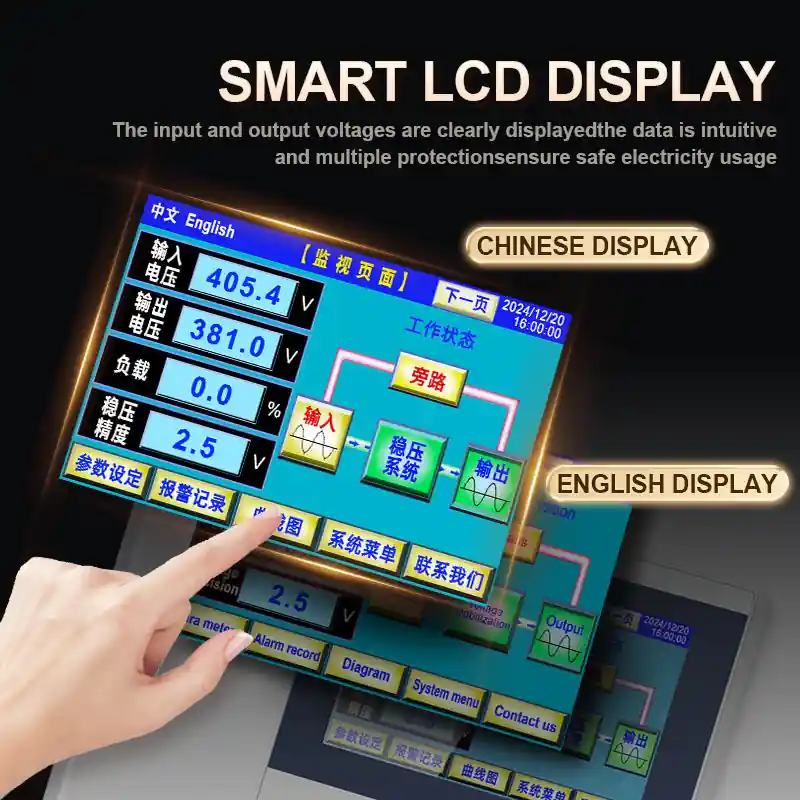
- Smart monitoring with temperature sensors and alarms
Compared to traditional servo stabilizers, modern electronic units offer:
- Faster response
- Lower mechanical losses
- Reduced heat generation
- Higher efficiency under partial loads
Manufacturers such as Schneider Electric emphasize thermal design optimization as a key differentiator in industrial power solutions. ZHENGXI Electric leverages similar OEM-level manufacturing standards, ensuring reliable thermal performance for industrial applications worldwide.
Technical Comparison: Servo vs. Electronic Stabilizers
| Feature | Servo Voltage Stabilizer | Electronic Voltage Stabilizer |
|---|---|---|
| Heat generation | High (mechanical + electrical) | Low |
| Response speed | Slow (motor-driven) | Fast (milliseconds) |
| Maintenance | Frequent (brushes, motors) | Minimal |
| Overheating risk | High under heavy load | Relatively low |
| Ideal use case | Stable environments | Harsh industrial conditions |
How Industrial Voltage Stabilizers Differ From Other Solutions
Unlike UPS systems or isolation transformers, industrial stabilizers:
- Operate continuously
- Directly handle voltage correction
- Are exposed to real-time grid instability
This makes thermal management far more critical. Compared with standard transformers, stabilizers experience dynamic thermal stress, not just steady-state heating.
Buying and Selection Guide: Reduce Overheating Risk
When choosing an industrial or three phase stabilizer:
- Oversize by 50–100% above calculated load
- Verify harmonic compatibility
- Select units with:
- Forced-air cooling
- Thermal protection and alarms
- High-temperature class insulation
- Ensure proper ventilation during installation
- Prefer electronic stabilizers for high-duty cycles
- Choose stabilizers compliant with IEC and IEEE standards for maximum lifespan and reliability
FAQ: Common Questions About Stabilizer Overheating
Q1: Is overheating normal in an industrial stabilizer?
Some heat is normal, but excessive temperatures indicate poor sizing, ventilation, or power quality issues.
Q2: Are three phase stabilizers more likely to overheat than single phase?
Yes. Three phase units manage higher power and complex load balancing, making them sensitive to harmonics and phase imbalance.
Q3: Can overheating reduce stabilizer lifespan?
Absolutely. IEEE thermal aging models show that every 10°C rise above rated temperature can halve insulation life, leading to premature failure.
Conclusion
Industrial voltage stabilizers overheat more easily due to high load density, unstable grid conditions, harmonic distortion, and demanding environments. Traditional servo designs, inadequate cooling, and improper sizing further increase thermal risk—especially for three phase units.
By understanding these factors and adopting modern electronic stabilizers with proper thermal design, industrial users can significantly enhance system reliability, safety, and lifespan. For OEM manufacturers like ZHENGXI Electric, thermal management is not optional—it is a core design priority that ensures products deliver consistent, high-performance protection in the most demanding industrial applications.