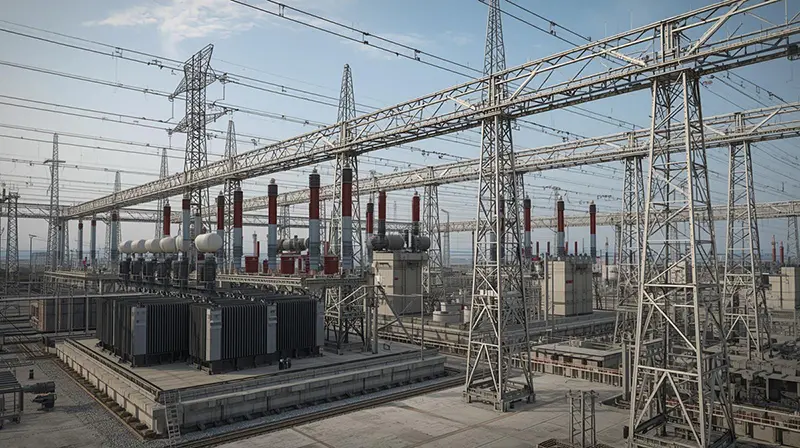




Power Station vs Substation — Why the Difference Matters
In modern energy systems, electric power stations and electrical substations are both crucial—but for altogether different tasks.
Almost all engineers, project managers, and industrial buyers may be looking for:
- What are the differences between a Power Station and a Substation?
- Is a substation the same thing as a power plant?
- Which one produces electricity?
This handbook provides a comprehensive understanding of operations, components, voltage levels, and practical uses related to both power stations and substations, enabling you to grasp concepts involving the generation, transmission, and dispatch of electricity.
What Is an Electrical Power Station (Power Plant)?

Definition of an Electrical Power Station
An electrical power station, also known as a power plant, is a facility that generates electricity by converting primary energy into electrical energy.
Primary Function of a Power Station
Electricity generation
Conversion of mechanical, thermal, chemical, or renewable energy into electrical power
Common Types of Electrical Power Stations
Thermal power stations (coal, gas, oil)
Hydroelectric power stations
Nuclear power plants
Solar power stations (PV plants)
Wind power stations
What is an Electrical Substation?
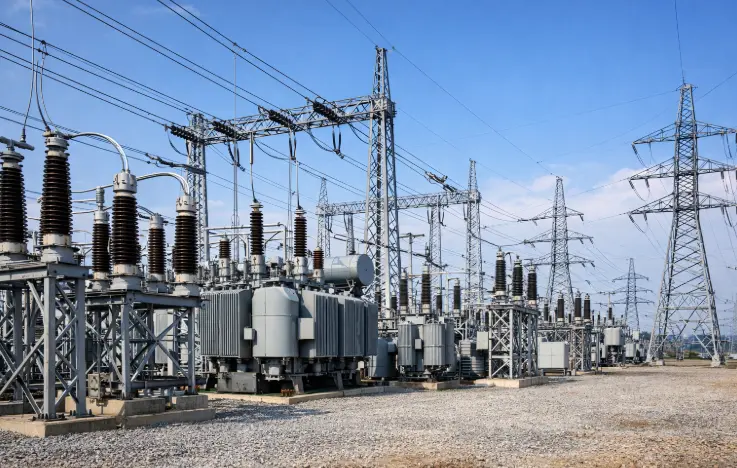
Definition of an Electrical Substation
An electric substation is an essential part of the power supply chain that regulates, transforms, and distributes electric power from generating stations to consumers.
Primary Function of an Electrical Substation
- Voltage Transformation (Step-up or Step-down)
- Power distribution
- System protection and grid stability
Kinds of Electrical Substations
Transmission substations (High-Voltage Step-up or Interconnection
Distribution substations (Medium/low voltage supply)
Industrial substations for factories and large facilities
Key Features and Technical Differences
Electrical Power Station: Major Features
- Main components of a power system include: Turbines, Generators, Thermal boilers
- Output Voltage Range: Typically medium voltage (11kV to 33kV)
- Scale:Large-Scale Infrastructure That Requires
- Location: Near sources of energy (Rivers; Fuels; Renewable Areas)
Electrical Substation: Major Features
Principal Components: Power transformers, circuit breakers, disconnect switches, protection relays
Voltage Levels:
- Step-up: 33 kV to 132 / 220 / 400 / 765 kV
- Step-down transformation: 33 kV/11 kV → 415V/ 240V
- Scalability: The size varies from compact distribution units to huge transmission substations.
- Location: Close to load centers, cities, industrial parks, or transmission lines** There is a need to
Installations & Applications in Practice
Power Station Installation and Operation
Involves long-term planning, environmental permits, and physical infrastructure
Suitable for continuous or Peak Load Power Generation
Example: Gas-fired power station erected close to a natural gas pipeline to serve a local grid.
Installation and Operation of a Substation
Smaller footprint, often modular and expandable
Provides Voltage Stability, Fault Isolation, and Power Flow
Example: A distribution substation with an 11 kV to 415 V step-down system for Domestic and Commercial consumers.
Power Station vs Substation: Side-by-Side Comparison
| Aspect | Electrical Power Station | Electrical Substation |
|---|---|---|
| Core Function | Generates electricity | Transforms & distributes electricity |
| Voltage Role | Produces medium voltage | Steps up or steps down voltage |
| Key Equipment | Turbines, generators | Transformers, breakers, relays |
| Grid Position | Source of power | Node within the grid |
| Location | Near energy sources | Near demand centers or transmission routes |
| Environmental Impact | High (especially fossil fuel plants) | Minimal |
FAQ
Q1: Is it possible for an electrical substation to produce electricity?
No, they do not. Substations do not generate electricity; they only handle voltage and further distribute the power generated at any power station.
Q2: Why are both power stations and substations needed?
Power stations generate electricity, while the substations are crucial in ensuring the effective transmission and safe delivery of the same at employable voltage levels.
Q3: Substations part of power stations?
Large power stations often have a dedicated step-up substation to connect the generator output to the transmission grid.
Q4: Which one is more harmful to the environment?
Power plants, particularly coal and gas plants, carry a much greater environmental impact. Substations have very minimal direct environmental impact.
Q5: Do renewable energy plants still need substations?
Yes, solar and wind power stations require substations to integrate the output into the power grid.
Conclusion
Electricity power stations and electric substations form supportive sides of the modern power system. It is important for engineers, EPC contractors, power companies, and industrial purchasing departments to understand this key distinction.